
We are reader-supported. When you buy through links on our site, we may earn an affiliate commission.
Since we first moved out of caves and started forming sticks and rocks into shelters, we’ve been honing our construction skills. Today, building a home or a business doesn’t look anything like the rough-hewn logs and stone that we used to utilize — and it’s continuing to change as new construction technology and techniques emerge. What technologies are in the process of transforming the construction industry for the better?
3D printing might have started back in the 1980s, but back then, it was expensive, difficult, and anything but cost-effective. Today, this additive manufacturing technology is quickly becoming invaluable in nearly every sector. In construction, you won’t be printing with plastic like you might in the comfort of your home. The most common 3D printing material in this sector is concrete.
A massive 3D printer can build a concrete house from scratch in less than 24 hours, and for less than the cost of a new sedan. 3D printers can’t do everything, though. Specialists are still needed to install things like plumbing and electricity. However, in areas that might require emergency housing, being able to build an entire home in less than a day is a valuable tool.
Many people are familiar with virtual and augmented reality due to the gaming industry, but you’ll be surprised where you can find this technology nowadays. Virtual reality allows designers to create comprehensive and immersive virtual environments that look like just about anything. Throw a 3D scan of your jobsite into a VR world, and you’ve got a virtual blueprint that you can explore without ever leaving the comfort of your air-conditioned office.
On the other hand, augmented reality projects virtual information on the real world through the use of things like cellphone cameras or heads-up displays like Google Glass or Microsoft’s Hololens. In the construction industry, this becomes valuable for inspections and replacing bulky construction manuals with step-by-step virtual instructions.
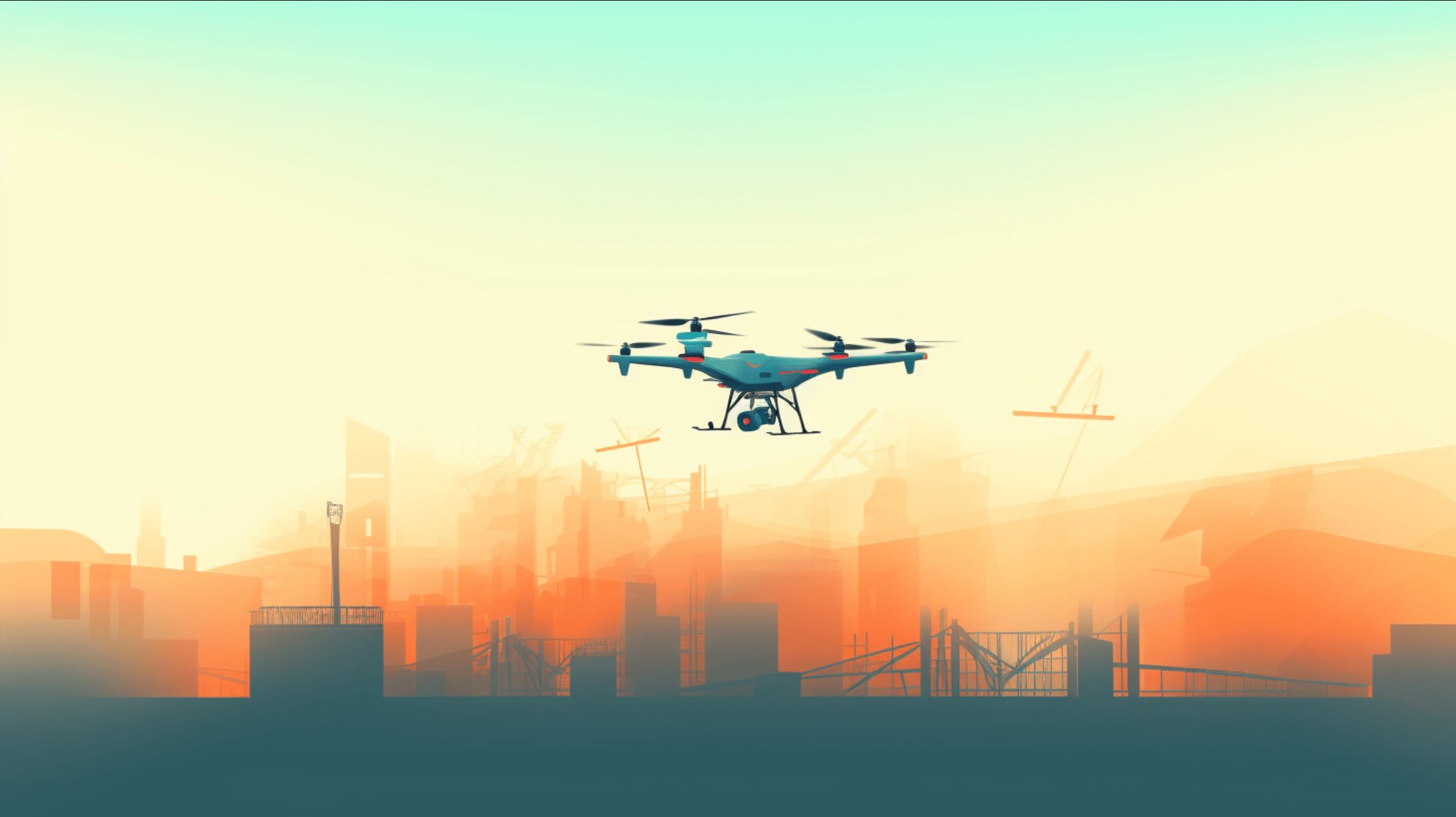
Drones aren’t just toys or annoyances anymore. Properly equipped, they can be valuable tools for the construction industry, giving you a birds-eye view of the construction site. This is something you could previously only obtain by renting a helicopter or airplane, which is expensive. If you want something that gives you sky-high access every day without having to charter a plane, drones are the best option.
Modern drones can even be programmed to work autonomously. They can do everything from taking video, inspecting work, or even monitoring safety, all without the need for a person at the controls.
If you think of exoskeletons, you’re probably picturing an “Iron Man” suit or maybe the hardware from “Elysium” — something potentially useful but trapped entirely in the realm of fiction. While you might not be able to fly yourself, exoskeletons are starting to emerge in the construction industry as a useful tool to complete jobs and protect workers from repetitive stress injuries.
Exoskeletons help to minimize muscle and joint strain by taking the brunt of the weight when you’re trying to lift something. You’ll primarily find them in physiotherapy, but they’re starting to make appearances in construction, manufacturing, and anywhere an employee could use an extra hand.
This is just the beginning. We’re entering an age where technological advances will begin to happen almost daily. We’ll see things that look like they belong in science-fiction novels becoming commonplace. All of this new construction technology is starting to change and shape the construction industry, and it’s exciting to see what the future might hold as we move forward.