
We are reader-supported. When you buy through links on our site, we may earn an affiliate commission.
If you’re designing a home, renovating a property or preparing a house for sale, one principle should govern your plans — water conservation. Saving water is good for the environment, but it also saves you money, boosts property values and future-proofs your space against rising costs and unpredictable weather.
Incorporating water-efficient features into your design plans can complement style and function. It means smarter building. Whether retrofitting an older house or laying the groundwork for a new building, making choices prioritizing water resilience can set your space apart.
Here are some pointers to get you started.
Sustainability is more than a buzzword. You may not realize that water conservation is one of the most effective and often overlooked strategies in creating a truly resilient and eco-friendly construction.
Water is a finite resource, with nearly 30 million people living in water-vulnerable areas within the U.S. Water mismanagement costs are significant, causing rising utility bills and decreasing property resale value in drought-struck areas. Homes prioritizing water conservation strategies and sustainable building practices tend to fetch higher prices and attract buyers who care about long-term efficiency.
If you’re designing or renovating, you can reduce your environmental footprint, lower operational costs and build for the future.
Before you splurge on technical upgrades, understand the foundations of water-efficient design principles. Use these concepts to guide you from blueprint to backyard.
Theory can become tangible and actionable, contributing to the importance of water conservation in design. You can easily customize each strategy on this list to fit your location, budget and building phase.
Affordable and cheap options like this immediately upgrade your home’s water usage in showers, sinks and toilets. Many newer models are stylish, efficient and easy to install.
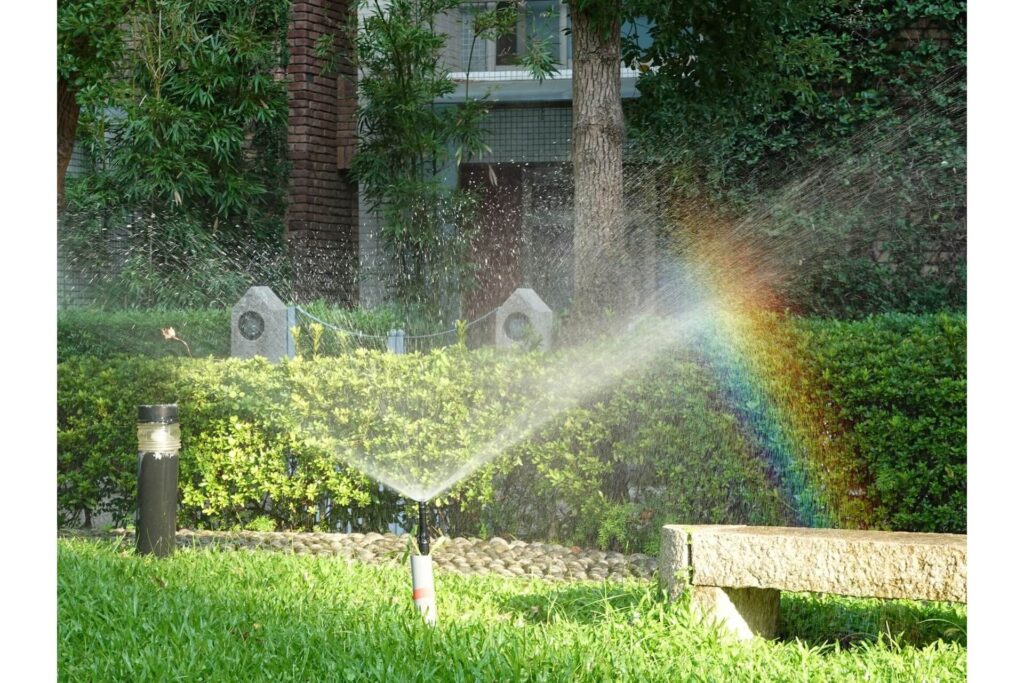
Outdoors, drip irrigation and weather-responsive timers prevent overwatering and reduce runoff. Earn bonus points because you’ll never forget to turn off the sprinklers again.
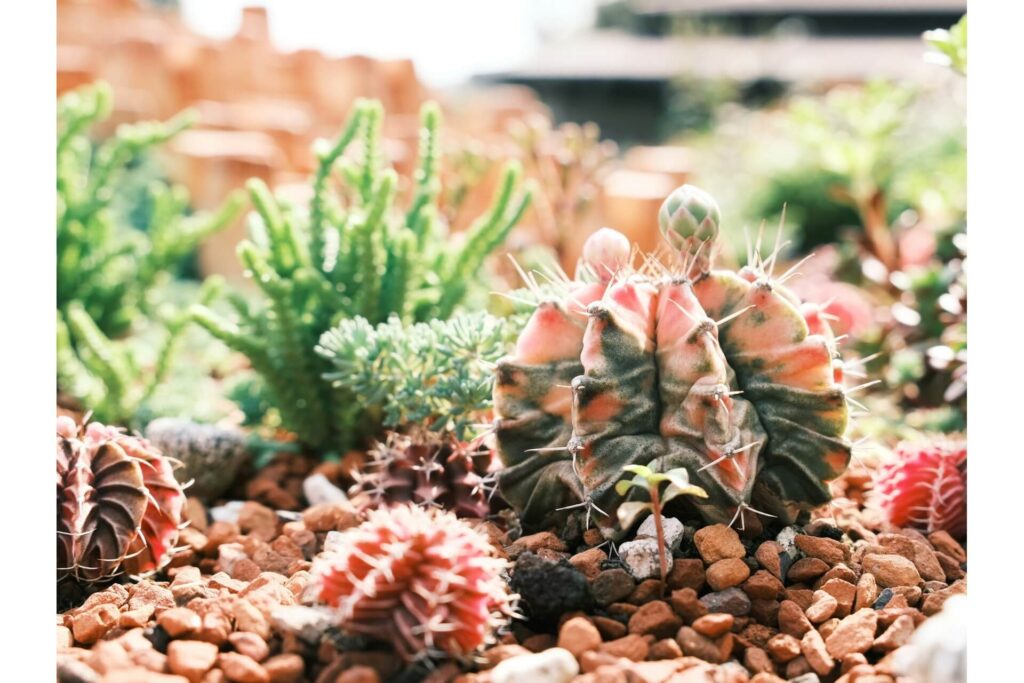
Grass is a thirsty landscape element, so choose native plants that thrive in your local climate. These plants need less water and maintenance and look great year-round.
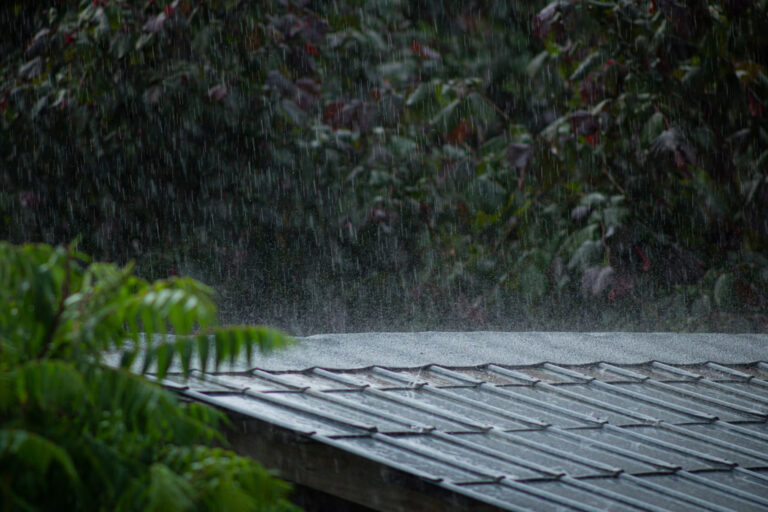
Create a basic collection system, diverting rainfall from your roof into barrels or underground tanks, and use this water for irrigation or to flush toilets. Water-collecting infrastructure is a vital consideration in green building design initiatives. Rainwater is often better for irrigation as it contains fewer minerals than tap water and is softer on plants. Hard water may change soil pH, causing alkaline soil, which limits plants’ ability to absorb nutrients.
Plan integrated greywater systems that let you reuse lightly used water from washing machines and sinks for non-drinking purposes. Check the local building codes before installing or creating a DIY system.
You don’t need to build an off-grid eco-home to benefit from innovative planning. Any home can be more adaptable and self-sufficient by integrating water conservation strategies that respond to real-world challenges like water shortages, climate change and rising utility costs.
Resilience in practice looks like financial savings and the following:
The materials you build with have as much of an impact as your layout and water-consumption habits. For the green-minded builder or buyer, these technologies pair perfectly with eco-friendly construction goals, so install or use:
If you’re working with clients — or prepping your home for sale — there’s more than just ethical value in going green. There’s a clear return on investment. Homebuyers are more savvy than ever, with most 80% paying premium prices for sustainable designs, and they want energy and water conservation methods in the listings they consider.
Incorporating even a few green building design features can:
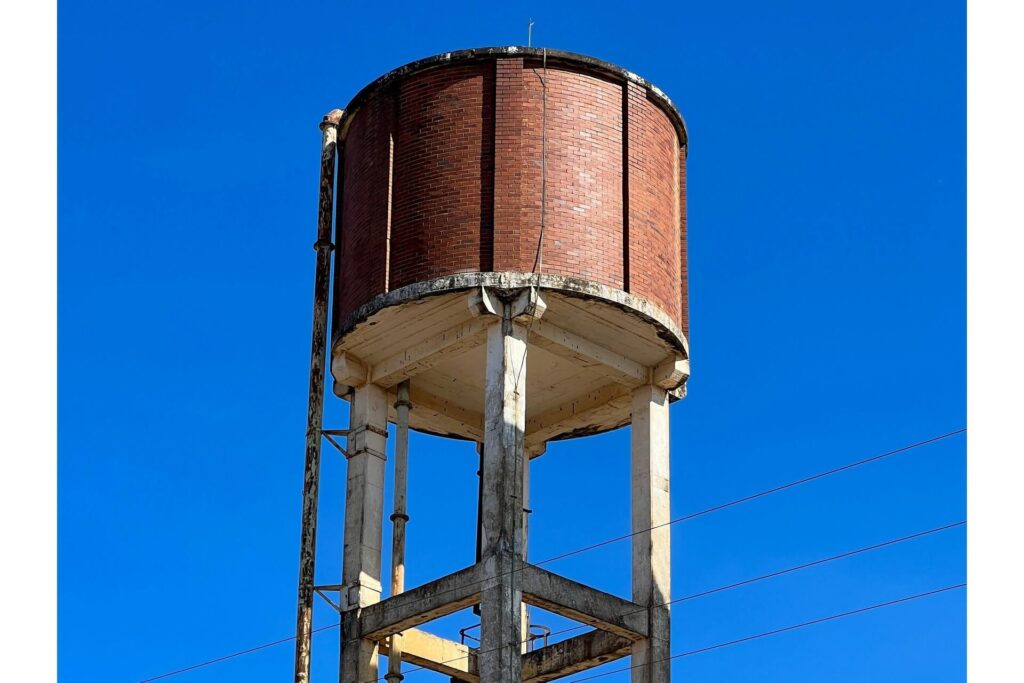
Energy efficiency is often the star of sustainable building initiatives, but water conservation is as important. Many commercial properties like Battery Park City in New York have inbuilt reuse systems that collect, treat and redistribute water to toilet systems, irrigation of the local park and for building cooling. This particular building treats up to 165,000 gallons of greywater and rainwater daily.
By reducing reliance on external water sources, conserving energy and managing resources wisely, water-efficient homes are more stable in the face of droughts, shortages and rising costs.
Heating water on demand reduces wasted water while waiting for water to heat and reach the plumbing fixtures. A passive solar water heater is an ideal way to heat only the water you use, without any wastage.
Common challenges include the initial costs, local code restrictions and a lack of awareness or access to newer technologies. As water efficiency becomes a bigger priority, these technologies are becoming more available and local ordinances are encouraging.
Water conservation is trending, but it’s more than a fad — it’s the cornerstone of thoughtful, sustainable living. Homeowners, contractors and investors can integrate water-efficient choices into any building project with lasting returns.
Designing with water in mind creates spaces that are more livable, resilient and in tune with the future’s pressures. It starts with one drop and one decision at a time.
Share your water-wise strategies on our social pages and support sustainable building today.