We are reader-supported. When you buy through links on our site, we may earn an affiliate commission.
Open-concept and closed layouts are different approaches to dividing the space inside your home. There’s no cut-and-dry answer to which works best — it depends on your home’s size and your household needs and habits.
Understanding Open-Concept and Closed Layouts
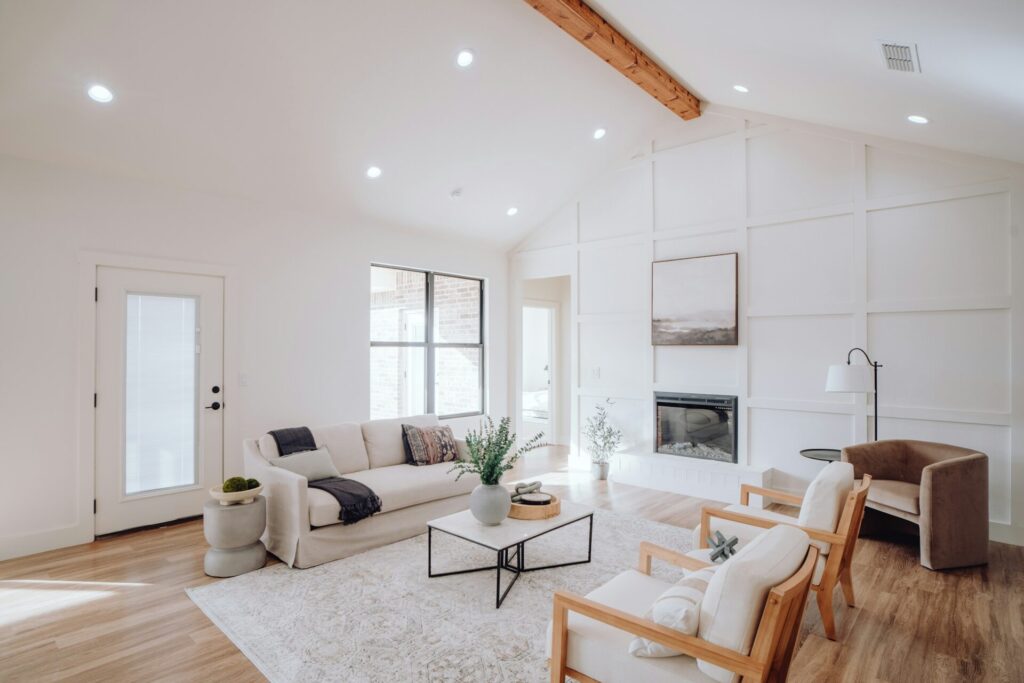
An open-concept layout is the social butterfly of floor plans — instead of full walls or doors, you have one big open space where you can move freely and combine traditionally separate rooms like the living room, kitchen and dining room.
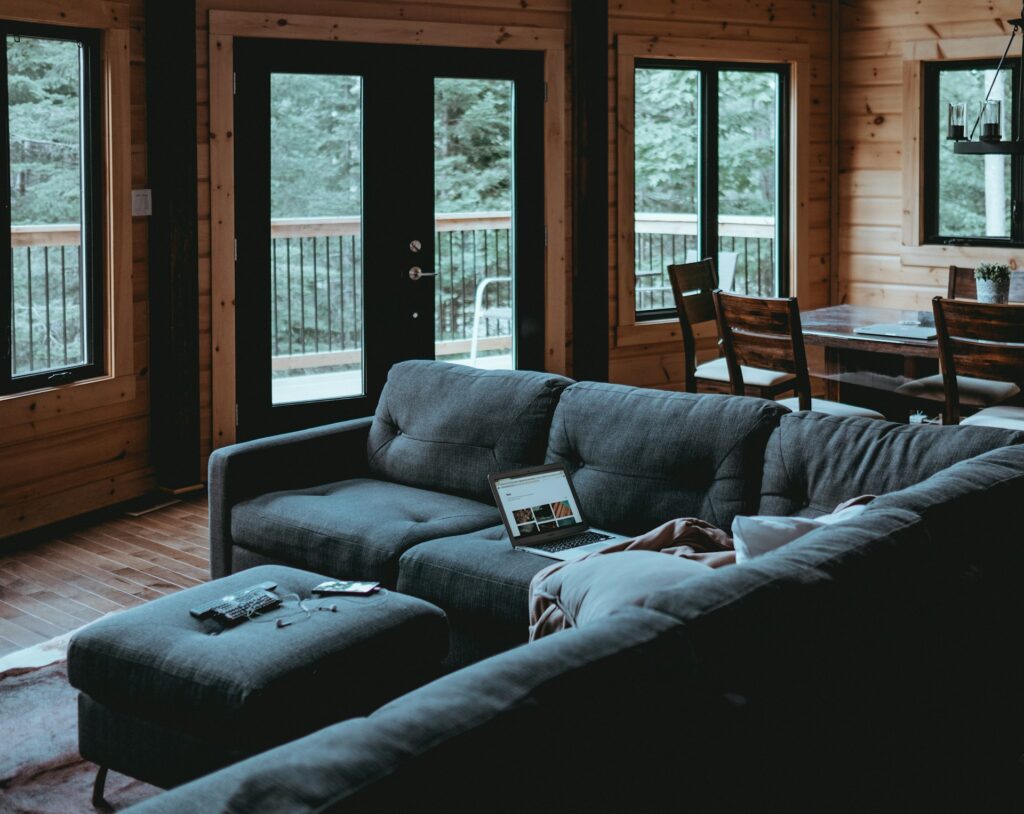
The closed layout — sometimes called the traditional floor plan — creates distinct, closed barriers for each area, often separated by full walls or doors. Each enclosed room acts as its own bubble.
Preferences toward open-concept homes and closed layouts have fluctuated over the years, with data showing a near 50-50 split — 51% of Americans prefer open layouts, while 49% like traditional layouts better.
Key Benefits of an Open-Concept Layout
Open-concept layouts are popular for many reasons. These advantages might sway you toward adopting this layout in your home:
Spacious Feel
Open-concept homes have fewer walls and doors separating different areas of the home, leading to a more spacious feel. This approach can be particularly beneficial to studios or smaller homes, helping you maximize your space.
Abundant Light and Airflow
Fewer barriers in the form of doors and walls make it easier for light to penetrate the space. Open-concept homes can enjoy more natural light than those with traditional layouts. It also improves ventilation, as air can travel freely between different areas.
Better Social Interaction
An open-concept approach makes it easier for family members or visitors to use a space simultaneously and interact with each other. This layout is ideal for entertaining and keeping conversations going.
Potential Drawbacks of Open-Concept Layouts
While open-concept layouts can be ideal in some circumstances, they also have drawbacks that may not work well for some households.
Limited Privacy
A lack of walls and doors can be fun for some households, but it also means a lack of privacy. You might find it hard to create a quiet, dedicated space for work, study or relaxation.
Higher Noise Levels
Sound travels more easily in open spaces. Open-concept layouts can make it difficult to control noise from conversations, appliances and other activities.
Less Energy-Effective
Open layouts can be challenging to heat or cool efficiently since air moves freely between different areas. If there’s too much space for air to flow through, rooms might not feel like they’re warming up, causing you to increase the temperature and your utility bills, especially during the winter months.
The Advantages of a Closed Layout
While a bit less trendy, closed layouts still work for many households. These advantages might encourage you to implement a more compartmentalized floor plan:
Privacy and Noise Management
The barriers between different rooms in a traditional layout ensure better privacy and noise control. Walls and doors can contain sound more effectively. These characteristics can help you work, study or spend time alone more easily and without distractions.
Better Environmental Control
Separate rooms make it easier to manage temperature, humidity and odors. For example, any cooking smells will be less likely to drift into your bedroom or office.
Energy Efficiency
Closed layouts can be more effective at conserving energy. Smaller, enclosed spaces are much easier to heat or cool, which can lead to lower utility costs and a reduced environmental footprint. Air conditioning contributes around 3% of the world’s greenhouse gas emissions, so better energy efficiency is good for both your wallet and the environment.
Disadvantages of a Closed Layout
Despite their benefits, closed layouts still come with limitations, such as:
Feeling Cramped or Disconnected
More barriers can make spaces feel cramped, especially in a smaller house. Family members may feel less connected, and entertaining larger groups can be more challenging.
Lack of Flexibility
Traditional layouts offer less flexibility when redecorating or reconfiguring a space. Each room often has a dedicated purpose, and it can be challenging to switch things around.
Reduced Natural Light
Walls and doors can block natural light. Some rooms may enjoy a lot of sunlight, while others will feel darker and need to rely on artificial light.
Which Works Best for You?
Closed layouts shine where open-concept layouts don’t, and vice versa. Look at how you and your family prefer to use your space and make your decision based on that. This way, you create a space that adapts to your habits and lifestyle.
About The Author
Peter is an associate editor for Renovated with over 5 years of experience writing in the home improvement and real estate industries. He grew up learning woodworking and DIY skills from his grandfather, giving him a unique perspective on all things design. His personal interest in business has led to him becoming a well-informed voice in the real estate world, offering valuable insights based on practical experience and in-depth industry knowledge. When Peter has downtime, you'll find him out on a hike, petting a dog, or working in his vegetable garden.