

We are reader-supported. When you buy through links on our site, we may earn an affiliate commission.
You have a lot of things to maintain as a homeowner. While you might think about cleaning out your gutters or replacing your HVAC filters, you should also consider your home’s humidity. Getting your indoor air quality to a good percentage could make a significant difference in your health and your house’s structural integrity. Learning about the best humidity level for the most concerning seasons will help you understand how to manage it better.
TLDR: Your home’s humidity levels should remain between 40-60% in the summer and between 30-50% in the winter.
Weather forecasts include humidity ratings because it’s a natural part of the environment. Water travels through the air all the time. Even when you don’t recognize the humidity, airborne moisture can affect your mucous barrier integrity, which is supposed to catch viruses that float through your sinuses. If the mucus is too thin, you may have a higher risk of getting sick.
When your household humidity becomes too low, your mucus barrier isn’t the only thing that can change about your body. You may also experience dry skin and irritated sinuses because your environment doesn’t have the right moisture levels.
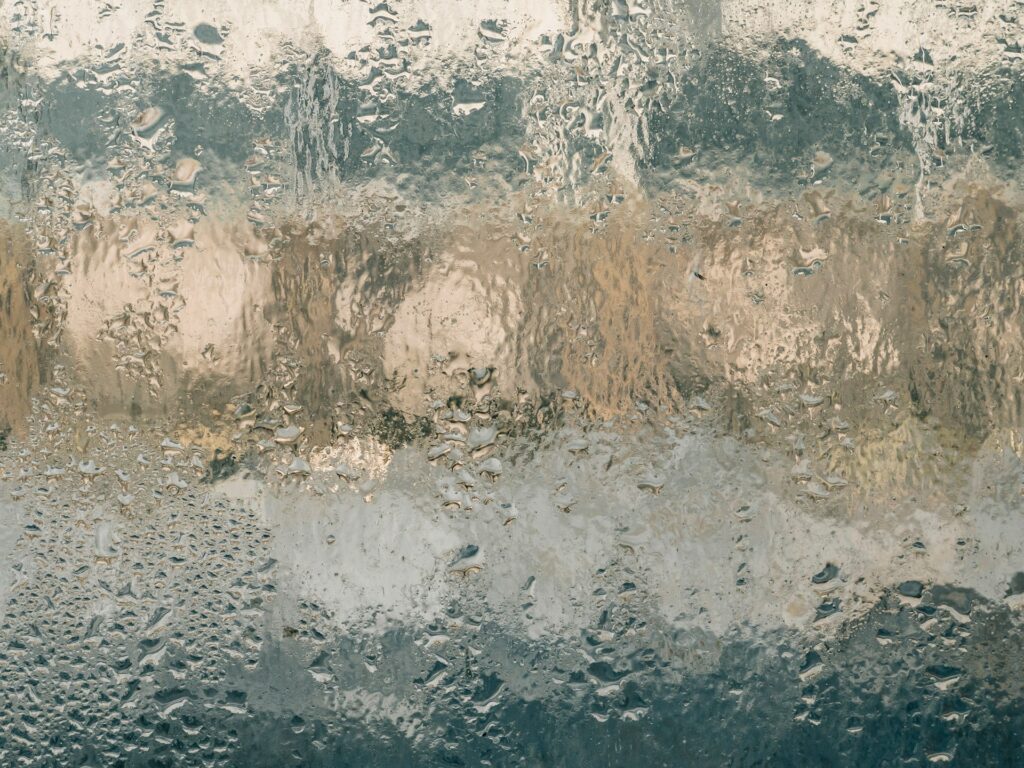
Water droplets may help your health, but they can also become a concern if they get too dense. High humidity levels cause numerous risks, such as:
Understanding when your indoor humidity is too high or too low will make you more confident about your environment. The key is learning how to read your humidity levels and work with them.
Summer has naturally higher humidity levels. Warm air leads to rain showers and thunderstorms, causing consistently higher humidity outdoors. The moisture can float inside, too. While that may be a good thing if you have sensitive sinuses, you might also have too much moisture in your house if you let the summer breeze in.
You should try to keep your home around 40%-60% humidity to maintain moderate levels, which may be trickier in the summer. If you have tools that consistently monitor your home’s moisture levels and an understanding of your region’s natural humidity, you can monitor it more easily.
Cold winter air can’t hold on to moisture as well as warm summer air. You’ll likely experience greater dryness in your house during cold months, so finding the best humidity levels for your home in the winter is crucial.
Some experts with the U.S. Environmental Protection Agency say that humidity levels between 30%-50% are good, so it depends on what feels most comfortable. You could also let it get a little higher so you’re not constantly battling the drier winter air.
High humidity can hurt your house in numerous ways. If the moisture remains for a long period, you may develop mold in your carpets, walls, wooden flooring and permanent fixtures. Mildew may also grow faster in your bathroom or around areas with water, like your kitchen sink.
Surface damage is easier to repair, but mold can cause structural damage if it works its way into your home’s framing. If you have any questions, you can always arrange a professional mold inspection with a local business.
Keeping your home between 30%-60% humidity will be easier if you understand how to control your indoor environment. Use a few common strategies to stay healthy, maintain structural integrity and feel comfortable throughout the year.
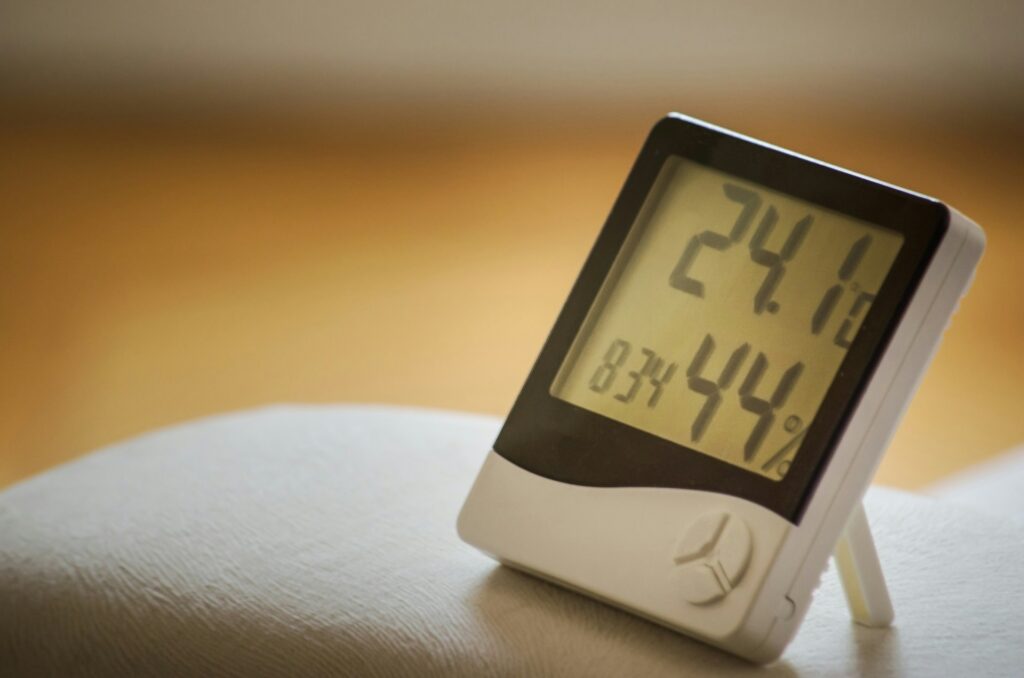
You won’t know the exact humidity reading in your home without a tool like a hygrometer. They provide data on things like humidity and temperature, so you know what’s going on in any room. Buy a few and place them in your bedroom, living room and kitchen. If you get wildly different readings throughout your house, you’ll know where to focus your work.
Humidifiers emit cool moisture that’s safe to breathe. If you add one to a dry room, you’ll raise the moisture levels to minimize issues like dry sinuses. You could also place a dehumidifier in rooms where the hygrometer indicates a higher humidity level. The machine will suck moisture out of the air so it doesn’t impose a threat to your health or home.
Consider the current weather and your hygrometer’s readings. If you have extreme readings and aren’t sure what’s causing them, hidden cracks might let outdoor air in.
Check for drafts around your home by turning your ceiling fans and HVAC unit off. You can use acrylic latex caulk to seal any drafty spots and prevent unwanted air flow. They often appear around windows and doors, so start your search there.
If your humidity levels are too high in your bathrooms and you can’t get a dehumidifier, try using your exhaust fan while showering. Contractors add fans to bathroom ceilings so homeowners can release steam and prevent moisture buildup. Use them anytime you turn the shower on. You’ll maintain consistently better control over the room’s humidity levels.
Understanding how humidity affects you and your house will improve your ability to maintain a healthy environment. Get a few hygrometers and you’ll know what work is necessary to feel comfortable in your living space.
70% is a high humidity reading, especially indoors. If your hygrometer gives you a similar reading, you may need to invest in dehumidifiers and potentially consider a mold inspection.
The ideal humidity for lungs is between 30%-50%, but you may feel more comfortable with your humidity at a higher level. See how your breathing feels with various hygrometer readings to understand what’s best for your body.
It’s okay to sleep with a humidifier every night, especially during the winter. If your humidifier has smart technology that can read the moisture levels in your room, you’ll always know when to stop the machine if the humidity reading gets too high.