We are reader-supported. When you buy through links on our site, we may earn an affiliate commission.
Lead-based paint was a staple of construction projects until the United States government prohibited this product in the late ‘70s due to health concerns. Although paint manufacturers have stopped using this toxic metal ever since, lead paint hazards are still present in many older residential properties. Because many homes were built before the ban, countless families are still at risk of lead paint poisoning.
Learn about lead paint hazards, lead poisoning, and ways to protect you and your family.
Most Common Examples of Lead Paint Hazards at Home
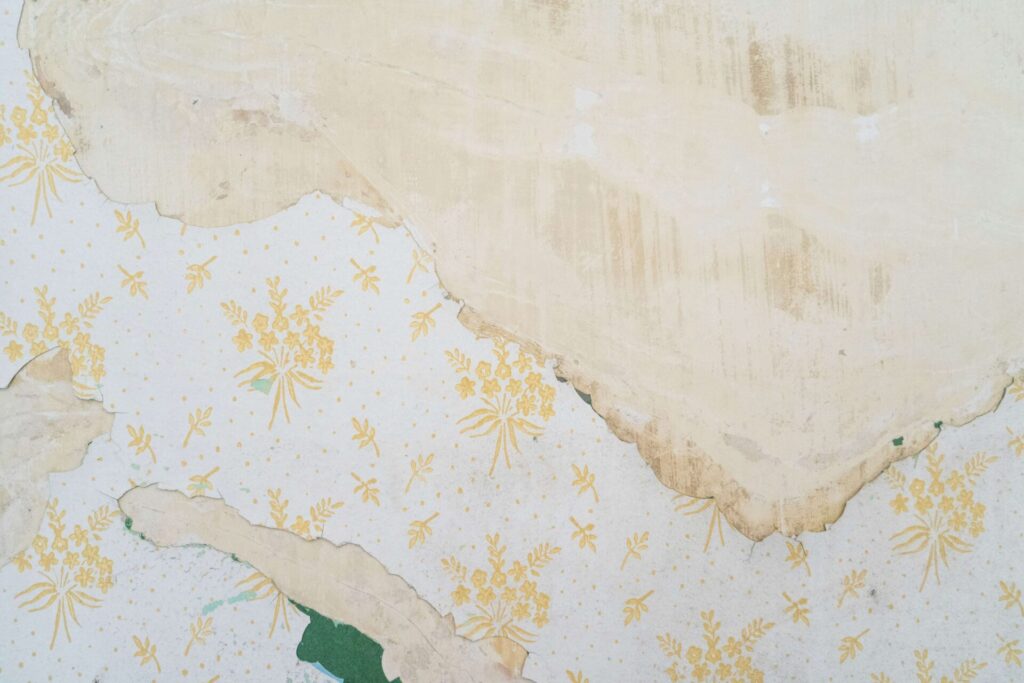
Lead paint breaks down, peeling, cracking, chalking and chipping into smaller pieces. Sanding or scraping lead paint creates fine dust that can spread around the house.
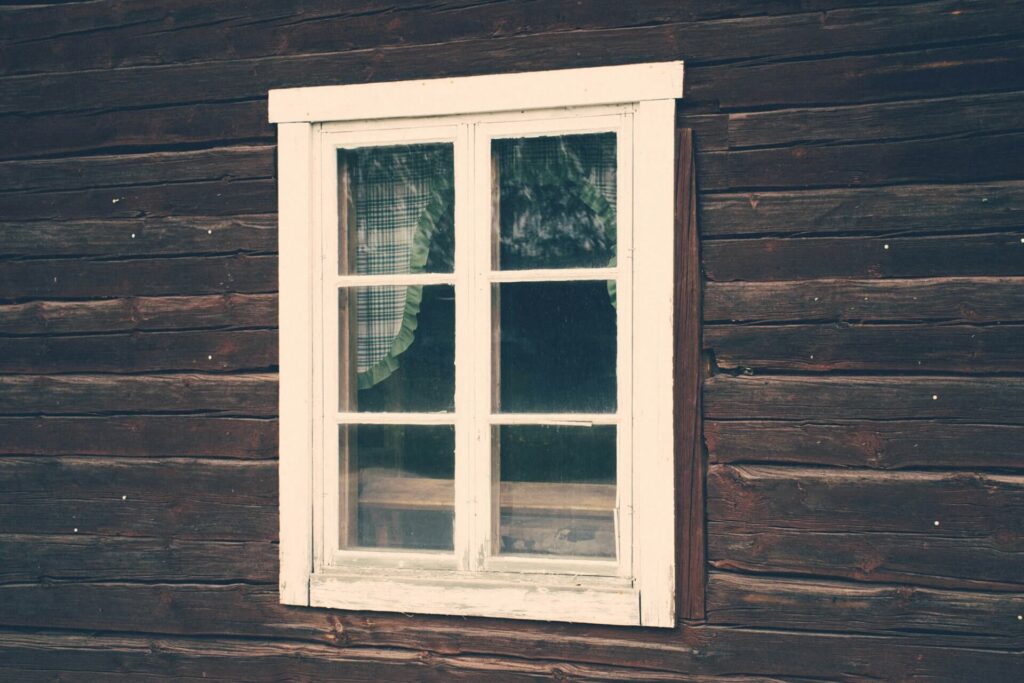
Vintage windows and other home features with moving parts finished with lead-based paint can also produce harmful particles your family may inhale or ingest. Impact surfaces, including doors, floors, and stairs, may release unsafe dust when they’re bumped or rubbed.
Furthermore, touching contaminated surfaces may be enough to develop lead poisoning, as this toxic metal may enter the body through the skin, eyes, nose or mouth.
What Is Lead Paint Poisoning?
Lead poisoning, also known as lead toxicity, occurs when lead accumulates in the body over months or years. Exposure to this toxic metal can negatively affect physical and mental health, even in small amounts, and high levels can be fatal.
The symptoms of lead paint poisoning differ between children and adults. They may only become apparent once the lead buildup has reached dangerous levels, though. Individuals can have elevated blood lead levels without looking or feeling sick.
Newborns exposed to lead while they were in the womb may be born prematurely, have lower birth weight and experience slowed growth. The symptoms of lead toxicity in older children include:
- Abdominal pain
- Developmental delay
- Hearing loss
- Learning difficulties
- Loss of appetite
- Pica — compulsively swallowing nonfood items
- Seizures

Adults with lead toxicity may show these symptoms:
- Concentration or memory difficulties
- Headaches
- High blood pressure
- Joint and muscle pain
- Mood disorders
- Reduced sperm count and abnormal sperm in men
- Pregnancy loss or premature birth in pregnant women
Lead paint poisoning is treatable, but its effects may be debilitating and irreversible. Prevention is key to protecting your family.
Lead Poisoning Prevention — 6 Practical Tips
Follow these six tips to reduce the risk of lead toxicity in your household.
1. Eat a Healthy Diet
Proper nutrition is crucial for preventing lead poisoning. Calcium, iron and vitamin C can help lower blood lead levels while strengthening the immune system. Fill your plate with these foods to boost your defense against lead.
- Calcium: Almonds, dairy, eggs, salmon, sardines and seeds
- Iron: Lean red meats, organ meats, quinoa, shellfish, tofu and tuna
- Vitamin C: Bell peppers, chili peppers, guavas, kale, kiwis and rose hips
Legumes, broccoli and leafy greens can help meet your recommended daily intake of two, if not all, of these micronutrients. Talk to your physician about taking dietary supplements.
2. Avoid Disturbing Old Painted Surfaces
Like asbestos, lead paint only becomes a health hazard when disturbed. Leave it alone as much as possible. Avoid scratching potentially contaminated surfaces for fun, and refrain from inspecting old paint cans. Don’t examine decaying cupboards in storage. Otherwise, unsafe paint particles may get into your system.
In lead-painted homes, this poisonous metal is prevalent in windowsills, doors, railings, closets, and porches. Think twice before touching these surfaces, especially without wearing protective gear optimized to filter out lead dust, like an N95 mask.
Even if your house’s paint looks new, you may still deal with lead dust. Your property’s previous owner might have painted over lead-ridden surfaces, lulling you into a false sense of safety when, in reality, the contaminant is only concealed, not gone.
3. Observe Lead-Safe Cleaning Habits
In addition to wearing protective clothing, wet the area to protect yourself from lead paint hazards when dusting, sweeping, and vacuuming a potentially contaminated location or object. Moisture prevents dust from becoming airborne when cleaning.
Sealing off HVAC registers and doorways helps contain lead dust in a single location. Tape plastic sheeting around the perimeter of your work area to define the containment zone’s boundaries.
4. Avoid Wearing Outdoor Shoes Indoors
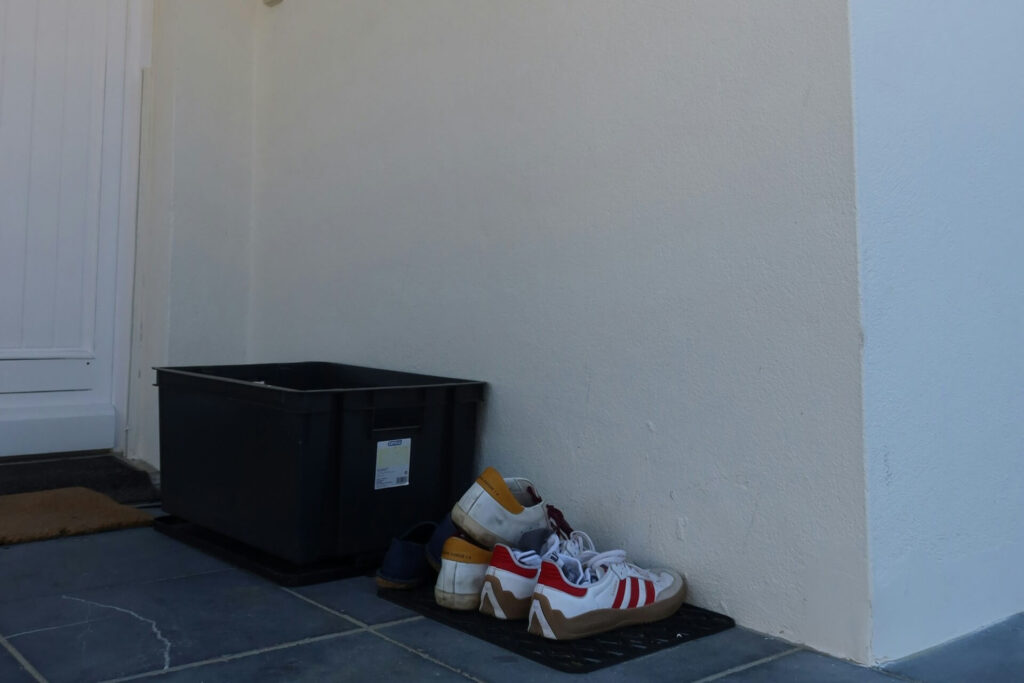
Shoes can become lead carriers when you walk on contaminated soil. If you usually don’t remove outdoor footwear inside the house, your family’s risk of poisoning will increase. The dust can contaminate clean areas through the ductwork, turning the air in all heated or conditioned rooms toxic.
Lead accumulates in the upper 8 inches of the soil, and contamination tends to persist because this metal is immobile. People who garden frequently are more likely to bring this hazardous substance in. Build a proper mudroom for lead poisoning prevention.
5. Verify If Your Household Water Has Lead
The Environmental Protection Agency requires all community water systems to prepare an annual water quality report for customers by July 1 every year. Your water utility should provide you with a copy of this report upon request, letting you know whether your water supply has lead.
If you source your household water privately, contact your local health department about groundwater toxicity.
6. Hire a Lead Abatement Expert
Lead abatement ultimately eliminates all lead paint hazards at home. Credentialed professionals identify causes for concern and encapsulate, remove, and discard contaminated items. They may also cover problem areas to prevent exposure and conduct postabatement clearance testing to ensure your property is safe and lead-free.
However, a whole-house service can cost more than $11,000. The bigger the property, the more expensive it gets. The final bill can be as high as $25,000 for residences with 1,000 square feet of floor space.
Thankfully, states are willing to help homeowners pay for lead abatement. In Michigan, a statewide fund covers half the cost for low-income households.
Explore Every Avenue to Neutralize Lead Paint Hazards
Lead paint is a stubborn health hazard continuously plaguing homeowners decades after its banning. While the fight against lead poisoning may rage on for many more decades, adapting to the situation and making your home free of contamination will safeguard your family.
About The Author
Rose is the managing editor of Renovated and a dedicated freelance writer with over six years of experience in the home and garden industry. Her passion for landscaping and sustainable practices is deeply rooted in her upbringing — growing up in a family of contractors, she was exposed to the world of construction and design from a young age. This hands-on experience fostered her love for nature and gardening, giving her a green thumb and a keen eye for creating beautiful outdoor spaces.
Throughout her career, Rose has honed her expertise in researching and writing about sustainable construction practices, focusing on innovative technologies that enhance the built environment while minimizing environmental impact. She is particularly interested in green roofing, water-efficient landscaping, and integrating native plants in design, all reflecting her commitment to sustainability. Rose's work has appeared in various publications, where she shares valuable insights and practical tips for seasoned professionals and novice DIY-ers.
In addition to her writing, Rose enjoys collaborating with landscape architects and contractors on projects that emphasize eco-friendly design and sustainable materials. She believes that every garden has the potential to be a vibrant ecosystem and works to inspire others to create spaces that are not only beautiful but also environmentally responsible.