We are reader-supported. When you buy through links on our site, we may earn an affiliate commission.
A running toilet can be just as annoying and inconvenient as other plumbing problems. However, if it goes unnoticed for too long, it can cause your water bill to go through the roof. Learn how to fix a toilet that keeps running and prevent it from happening again.
Why Is Your Toilet Running?
Flapper and fill valve problems are the usual suspects behind running toilets. The flapper covers the gasket that seals the flush valve opening, preventing the water in the tank from going into the bowl between flushes. The fill valve regulates the flow of water into the tank after each flush. The water can keep running when either component isn’t working properly.
If your toilet has been running continuously since installation, there may be a problem with the overflow tube’s height. The overflow tube may be too short for your toilet, causing nonstop water flow. You must buy a replacement flush valve assembly with an overflow tube that is the correct length for your toilet.
A short flush valve chain can also be the culprit. It should be the right length to ensure the flapper closes properly.
How to Make Your Toilet Stop Running — 5 Easy Steps
If you’re 100% positive that the overflow tube and flush valve chain aren’t causing your toilet to run continuously, begin troubleshooting the flapper, fill valve, or both.
Before you begin, have a channel lock, screwdriver, bucket, and a rag, sponge, or wet vacuum on hand. Once you have the equipment and supplies ready, follow these five steps.
1. Shut off the Water
Locate the angle stop under your toilet’s tank to cut the water from the supply line. Newer angle stops use a quarter-turn mechanism, making them easy to turn on and off.
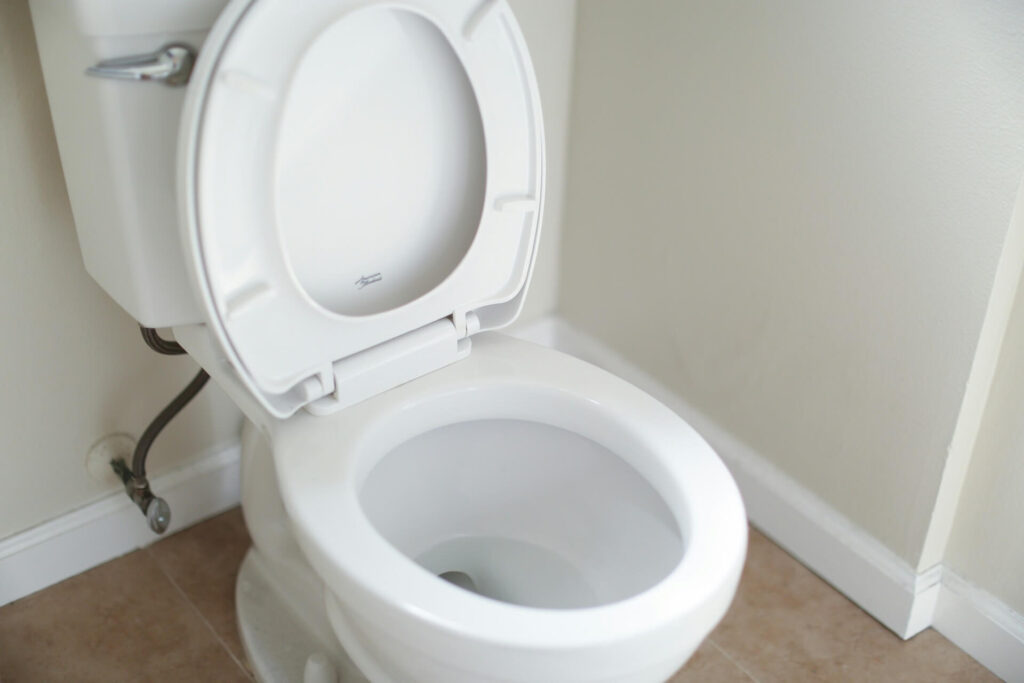
Older models may also require you to disconnect the hose from the tank. The connection may be too tight, so grab a channel lock to loosen it.
Flush the toilet to help empty the tank before detaching the hose. Use a bucket to catch some remaining water that may come out as you remove the hose.
2. Check the Flapper
Remove your toilet’s lid and place it somewhere secure and level. Porcelain toilets can break or crack easily, so handle yours with care.
Find the rubber component sealing the hole at the bottom of the tank to locate the flapper. Make sure it attaches to the flush valve correctly and completely covers the gasket. Make adjustments as needed.
Toilet flappers can warp and wear over time. Flushing a clogged toilet can break the flapper, causing irreversible damage to it. If you have a worn-out flapper, replace it with a new piece. Bring the old part to the hardware store to buy a compatible product for your toilet.
Grime can also affect the flapper’s seal. Unhook it from the flush valve for cleaning. Use a mild cleaning solution to protect the flapper’s integrity, as harsh chemicals can degrade the material and shorten its service life.
3. Inspect the Gasket
Watch out for cracks or nicks in the gasket’s rim. These imperfections can cause water to leak into the bowl, allowing it to flow continuously. You must change the flush valve if your toilet’s gasket is shot.
4. Verify Whether the Fill Valve Needs Adjusting
If your flapper and flush valve are in good condition, check the fill valve assembly, which controls how much water goes into the tank.
The water level should be lower than the overflow tube’s brim. Otherwise, the fill valve would refill the tank indefinitely. If you’ve never adjusted your fill valve’s height before your running toilet problem, it’s likely already correct, so shift your attention to the float cup and ball.
If your toilet’s fill valve has a float cup, turn the adjustment screw clockwise — using your fingers, a screwdriver, or a channel lock — to slide the float down the actuating rod and lower the water level. If you want to raise it, adjust the screw counterclockwise to move the float up on the rod.
If your fill valve has a plastic ballcock, use a screwdriver to turn the screw at the top. Turn it clockwise to lower the water level or the other way to raise it.
If your fill valve has a metal ballcock, gently bend the float rod to adjust the level of water.
Turn on the water supply to refill the tank. Watch until which point the tank refills to verify whether your adjustment is correct. Flush your toilet to ensure that enough water enters the bowl.
5. Clean the Fill Valve
If your float cup or ball is set correctly but your toilet is still running, your fill valve may be dirty. Shut off the water again, detach the valve arm from the rod, and turn and remove the cap to inspect the diaphragm valve and fill tube.
Take the detached component apart to check for debris in the diaphragm valve. Rinse or clean a dirty diaphragm valve with soapy water before reinstalling it in the cap.
If there’s any buildup in the fill tube, barely open the angle stop to flush out any blockage. The debris will end up in the tank, so remove it with a rag, sponge or wet vacuum to keep it from getting into your pipework.
Fixing Your Toilet That Keeps Running
These simple steps should help you diagnose and repair any running toilet at home. If all else fails, consider calling a credentialed plumber to investigate further and uncover any underlying issues.
Frequently Asked Questions
Here are the answers to the most common questions about running toilets.
Can a Running Toilet Increase the Water Bill?
Yes, it can. Household leaks waste about 180 gallons weekly, and faulty toilets are usually responsible.
The worst part is that you may not know you have a leaky toilet until your water bill arrives. In February 2025, a senior woman from Queens, New York, received an exorbitant charge of nearly $22,500 — 10 times what she usually paid for water.
The New York City Department of Environmental Protection argued that the customer might have had a significant water leak to justify the amount. An undiscovered running toilet could cause a water meter to run around the clock.
Where Does the Water From a Running Toilet Go?

The water goes down the drain into the sewer system and eventually to a wastewater treatment facility.
How Can You Keep Your Toilet From Running After Fixing It?
Knowing how to stop a running toilet is one thing, but preventing it from happening again is another. Cleaning toilet flappers regularly helps remove mineral and grime buildup, which may lead to leaks.
Moreover, occasional inspections of the fill valve and flush valve assemblies can help you discover red flags early. Adding dye to the tank water can confirm a suspected issue. Upgrading to tankless or smart toilets can prevent this problem altogether.
About The Author
Rose is the managing editor of Renovated and a dedicated freelance writer with over six years of experience in the home and garden industry. Her passion for landscaping and sustainable practices is deeply rooted in her upbringing — growing up in a family of contractors, she was exposed to the world of construction and design from a young age. This hands-on experience fostered her love for nature and gardening, giving her a green thumb and a keen eye for creating beautiful outdoor spaces.
Throughout her career, Rose has honed her expertise in researching and writing about sustainable construction practices, focusing on innovative technologies that enhance the built environment while minimizing environmental impact. She is particularly interested in green roofing, water-efficient landscaping, and integrating native plants in design, all reflecting her commitment to sustainability. Rose's work has appeared in various publications, where she shares valuable insights and practical tips for seasoned professionals and novice DIY-ers.
In addition to her writing, Rose enjoys collaborating with landscape architects and contractors on projects that emphasize eco-friendly design and sustainable materials. She believes that every garden has the potential to be a vibrant ecosystem and works to inspire others to create spaces that are not only beautiful but also environmentally responsible.