

We are reader-supported. When you buy through links on our site, we may earn an affiliate commission.
Building the perfect team for your construction business is a time-consuming and meticulous process, but it’s one that you won’t regret doing. That said, you may not always have room on your team — or the need — for specialized contractors. Finding skilled subcontractors to fill those niches is an art and a science in itself. Here’s how to find good subcontractors that best fit your needs.

Going into the market with a vague idea of the job is a recipe for mismatched expectations, budget overruns and project delays. The best practice is to formalize your needs in a detailed Scope of Work (SOW), also called a Statement of Work.
Think of the SOW as the project rulebook, ensuring you and the subcontractor are on the same page. It should contain:
Any subcontractor agreement will also cover arbitration and dispute-resolution processes, but it’s a good idea to specify them up front, too.

With a clear SOW in hand, you can begin the proactive search for talent. The best subcontractors are often busy and not actively looking for work, so you need to know where to find them. While online job boards have their place, your most valuable resources are often closer than you think.
Start with your professional network of other contractors, architects and project managers. A personal recommendation from a respected peer is the gold standard. Next, build relationships with your local suppliers. The managers at the pro desk of your lumberyard or specialty supply house know which crews are busy, who pays their bills on time and who consistently does quality work.
Beyond your immediate circle, look to industry associations. Finally, turn to online platforms. A slick digital profile is one thing, but a proven track record is another, which is why vetting — the next step — is so important.
| Sourcing Channel | Why It Works |
| Personal network | Most reliable source, based on trust and firsthand experience. |
| Material suppliers | They know who does quality work. |
| Trade associations | Members are often more established and committed to their craft. |
| Online platforms | Wider reach but requires more stringent vetting. |
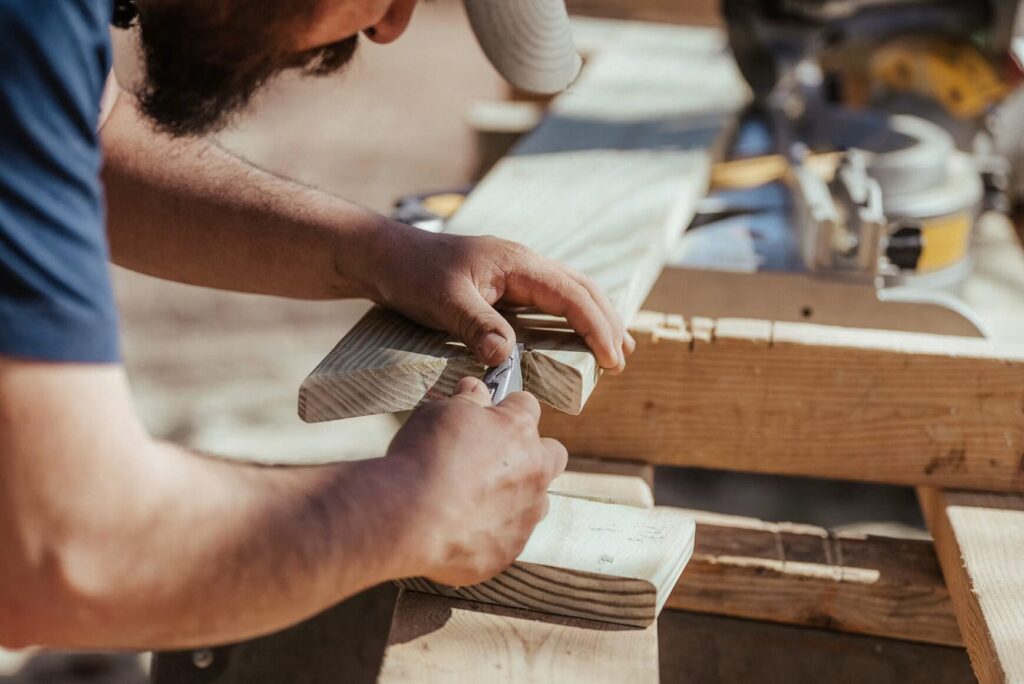
This stage is a multistep process that turns a long list into a short list of partners you can trust.
When you receive bids, resist the temptation to gravitate to the lowest number. A professional bid is a detailed, transparent document with clear line items. An unusually low bid can be a red flag that the subcontractor either misunderstood the SOW, is unlicensed or is using inferior materials.
Next, check references, asking specific and probing questions that will give you real answers. Inquire about the subcontractor’s communication, ability to stick to a schedule and how they handled problems on the jobsite.
Finally, before any contract is signed, you must verify credentials. This is a nonnegotiable step to protect your business. Ask for a current Certificate of Insurance to confirm they carry adequate general liability and workers’ compensation coverage. Use state licensing board websites to ensure their trade license is active and in good standing.
A true professional will have all this documentation ready and waiting. Any hesitation to provide it is a clear signal to walk away.
| Vetting Step | What to Look For |
| Portfolio review | Quality of work, experience in similar projects, professionalism |
| Reference checks | Consistent positive feedback on reliability, communication and quality |
| Insurance verification | Active general liability and workers’ compensation policies |
| License check | Valid and current state or local licenses for their specific trade |
Flexibility is a vital skill. Ideally, you’ll find someone whose schedule fits yours, but that may not happen. Instead of passing on an otherwise perfect subcontractor, be flexible with scheduling. You don’t have to rewrite your entire plan, but a little bit of wiggle room can keep things moving forward.
If you find a good subcontractor who meets deadlines, delivers quality work, and aligns with your company values, treat them well and pay them on time. If you fully support your subcontractors, they’ll support your efforts in return.
Here are some common questions construction companies have when trying to find subcontractors.
Your most reliable starting point is your own professional network, including other contractors and colleagues. Following that, check with your local material suppliers, as they have direct experience with the reliability and financial standing of many subcontractors.
A very low bid should be reviewed with caution. While it could be competitive, it might also indicate that the subcontractor has misunderstood the scope of work or is cutting corners.
Beyond checking the subcontractor’s work quality, verifying their insurance and licensing is the most critical step for managing your risk. Ensure they have current general liability and workers’ compensation insurance to protect your business from potential liabilities.
Whether you’re hiring a single subcontractor or a company, one thing you need to cultivate is patience. Don’t just hire the first subcontractor you come across. Instead, do your research and make sure you’re only working with companies that align with your values. Finding good subcontractors is easier than you think when you know where to start and what to look for.
Note: This article was first published on March 5, 2021, and was revised on July 31st, 2026, to reflect the most current information.