We are reader-supported. When you buy through links on our site, we may earn an affiliate commission.
There’s something magical about an autumn garden. The air feels crisp, the light softens and nature starts putting on its most dramatic show. If you’re looking to extend your garden’s beauty well past summer, the key is to choose plants for fall that thrive in cooler weather and bring out those rich, seasonal tones. From fiery foliage to late-blooming fall flowers, your outdoor space can look stunning right up until winter.
Start With Rich Seasonal Color
Fall is known for its reds, oranges and golden yellows. Trees and shrubs like Japanese maple, burning bush and oakleaf hydrangea add instant drama. These provide a striking backdrop highlighting the smaller fall plants you’ll layer in front. Think of these larger plants as your canvas — everything else fills in the details.
Add Late-Blooming Fall Flowers
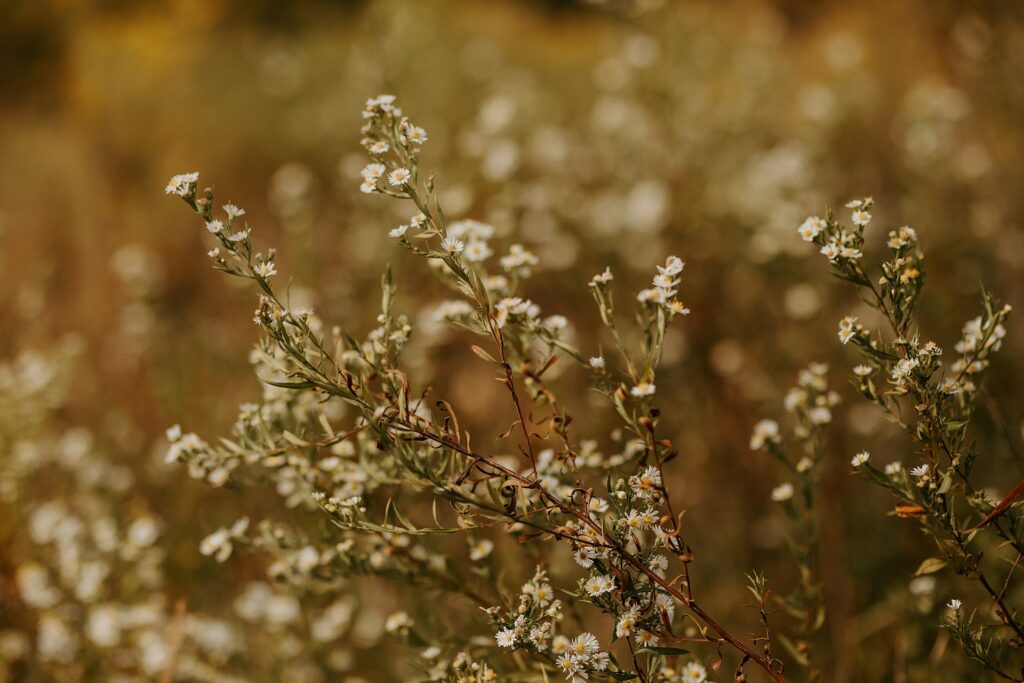
One of the easiest ways to keep your garden vibrant is by planting fall flowers that bloom just as summer annuals fade. Chrysanthemums, asters and sedums are tried-and-true favorites. They bring bold pops of color and can handle chilly nights.
Pair them with ornamental grasses like fountain grass or switchgrass for some visual interest, texture and movement. The contrast between soft plumes and bright blossoms creates visual depth that feels alive even in the late season.
Mix in Edibles for Beauty and Utility
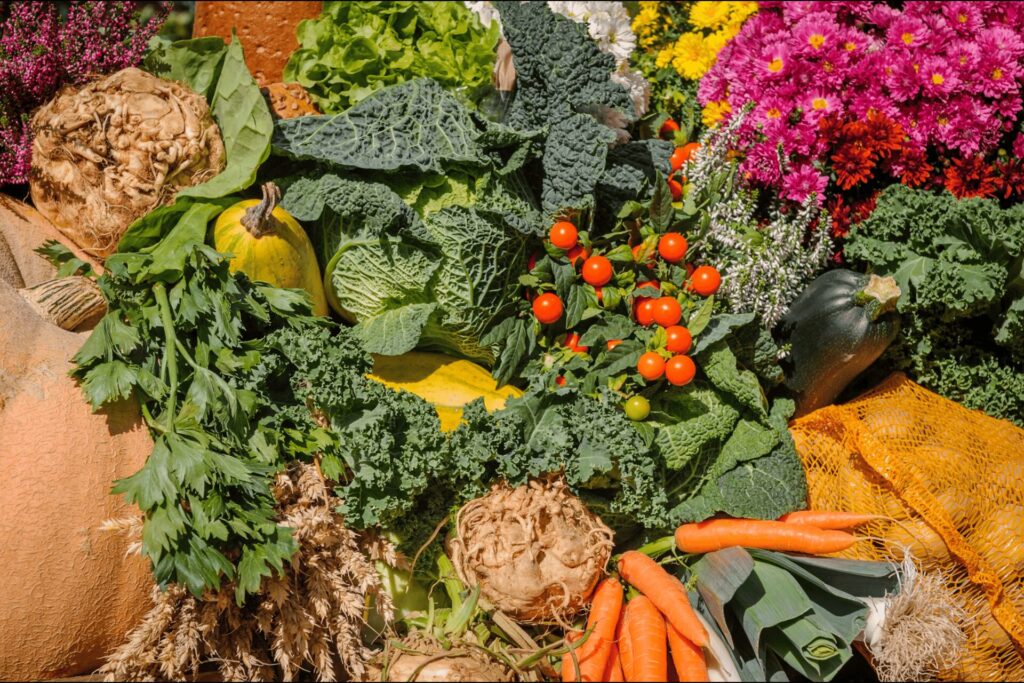
Remember that many vegetables and herbs double as beautiful plants for fall. Kale, Swiss chard and ornamental cabbage have striking foliage that adds texture and color while being edible. Even late-season herbs like sage and rosemary thrive in cooler weather and provide greenery alongside your fall flowers. It’s a practical way to get beauty and function out of the same space.
Play With Containers and Layers
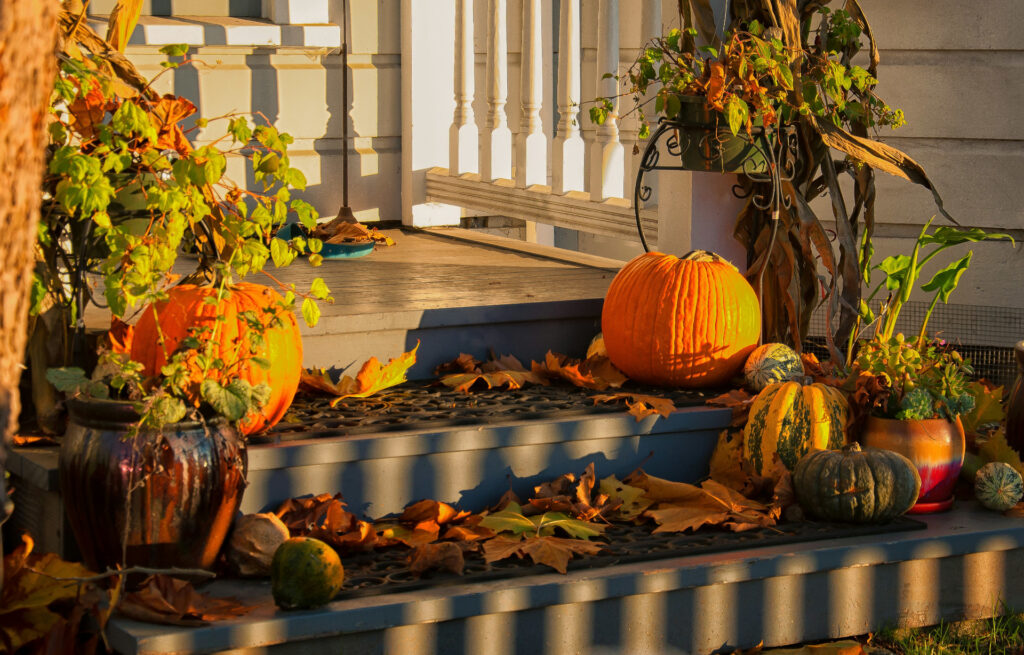
Autumn is also the perfect time to refresh your containers. Layer taller frasses in the back, mounding plants in the middle and trailing ivy or pansies spilling over the edge. This ensures your garden beds and porch planters stay cohesive, tying the whole outdoor space together. Containers also make it easy to swap plants in and out as the season progresses.

Don’t Forget Evergreens
While the focus is often on colorful foliage and fall flowers, evergreens keep your garden looking structured and full even after leaves drop. Boxwood, juniper or dwarf conifers are low-maintenance staples that frame the seasonal stars without losing their charm once winter arrives.
Attract Pollinators
Fall is the last big feeding season for bees and butterflies before winter. By adding in nectar-rich fall flowers like goldenrod, Russian sage and coneflowers, you’ll create a lively, buzzing garden that also supports local wildlife. Pollinators add energy and movement, making your space feel alive even as temperatures cool.
Plant for Fragrance
Autumn gardens don’t just have to look good, they can also smell amazing. Late-blooming sweet alyssum, lavender and certain varieties of roses keep the air fragrant. Pairing aromatic herbs like thyme or oregano with your plants for fall adds another sensory layer that makes your garden more inviting.
Add Structural Interest
As leaves drop, structure becomes more important. Garden features like trellises, stone pathways or raised beds help frame your fall flowers and foliage. Pairing hardscape with soft plant textures balances your space and ensures it looks designed, not accidental.
Practical Plant Care Tips for Fall
Keeping your autumn garden thriving isn’t difficult, but it does take some seasonal adjustments. Here’s how to help your fall plants stay healthy until the first frost:
- Mulch generously: Add a 2-4 inch layer of organic mulch around the base of your plants. This insulates roots from sudden temperature swings, keeps moisture in the soil and helps prevent weeds from sprouting.
- Water deeply and consistently: Cooler weather doesn’t mean plants stop needing water. Dry soil before a freeze can damage roots. Give your garden one deep soak per week, focusing on the morning so water doesn’t sit on leaves overnight.
- Deadhead regularly: Remove spent blooms from fall flowers like mums and asters. This encourages more buds to form and keeps plants looking fresh.
- Divide perennials: Autumn is a great time to split clumping perennials such as hostas or daylilies. Dividing now gives them time to establish before spring.
- Protect tender plants: Cover young or frost-sensitive plants for fall with garden fabric or burlap on chilly nights. Even a simple sheet can hold warmth and prevent damage.
- Prune carefully: Hold off on heavy pruning, but trim away broken, diseased or dead stems. Too much cutting can encourage new growth that won’t survive winter.
- Fertilize lightly: Use a slow-release, low-nitrogen fertilizer. This strengthens roots instead of pushing soft new growth that frost could kill.
Specific Plants for Fall Gardens
If you truly want your yard to shine in autumn, choosing the right plants is essential. Here are some to keep in mind:
- Chrysanthemums: The ultimate fall staple with colors ranging from deep burgundy to golden yellow. Plant them in full sun and deadhead often for extended blooms.
- Asters: Starry flowers in purple, pink and white that attract butterflies. They thrive in well-drained soil and full sun.
- Sedum: Succulent leaves and rosy-pink flower clusters that deepen to rusty red in late fall. They’re virtually maintenance-free.
- Pansies and violas: Cold-tolerant annuals that can bloom through early winter and mild climates. They’re perfect for containers and edging.
- Ornamental kale and cabbage: Bold, frilly leaves that turn brighter with colder weather. They’re great for borders and pots.
- Heuchera: Striking foliage in bronze, purple and silver shades that pair beautifully with other fall flowers.
- Japanese maple: Small ornamental tree with breathtaking red or orange fall foliage. Requires partial shade and well-drained soil.
- Fountain grass: Soft, feathery plumes that sway in the breeze.
- Switchgrass: Tall and airy, with golden seed heads that glow in late light.
- Goldenrod: Bright yellow spires loved by bees and butterflies. It thrives in full sun.
- Coneflowers: Late bloomers that add purple or pink while feeding pollinators.
- Boxwood: Compact, evergreen shrub that keeps form and greenery through winter.
- Juniper: Hardy and drought-resistant. Works well in mixed plantings.
- Dwarf conifers: Small evergreens that add structure and contrast to your yard.
Bring It All Together
Designing a beautiful autumn garden doesn’t mean saying goodbye to color. With the right fall flowers and textured foliage, your outdoor space can be just as lively as in spring or summer. By blending structure, laters a various plants for fall, you’ll enjoy a warm and inviting garden.
About The Author
Peter is an associate editor for Renovated with over 5 years of experience writing in the home improvement and real estate industries. He grew up learning woodworking and DIY skills from his grandfather, giving him a unique perspective on all things design. His personal interest in business has led to him becoming a well-informed voice in the real estate world, offering valuable insights based on practical experience and in-depth industry knowledge. When Peter has downtime, you'll find him out on a hike, petting a dog, or working in his vegetable garden.