Are Quartz Countertops Heat-Resistant? Comparing Quartz to Other Stones


We are reader-supported. When you buy through links on our site, we may earn an affiliate commission.
Quartz countertops are known for their durability and low maintenance, but when a hot pan hits the surface, things get a little less straightforward. If you’re wondering whether quartz can actually handle heat and how it compares to granite, marble, and other stone, you’re not alone. Here’s what you need to know before trusting your countertops with sizzling cookware.
What Does “Heat Resistant” Really Mean for Countertops?
When people ask whether a countertop is heat-resistant, they usually mean “Can I put a hot pan on it without ruining it?” In reality, heat resistance isn’t an all-or-nothing feature. It refers to how well a material can tolerate moderate heat exposure without cracking, discoloring, or weakening over time.
No countertop material is truly heatproof. Even natural stone can suffer damage under the right conditions. Manufacturers typically provide recommended temperature limits rather than guarantees because heat damage depends on multiple factors — including how hot the item is, how long it stays at that temperature, and whether the temperature change is sudden or gradual. Understanding this distinction up front helps you set realistic expectations and avoid costly mistakes.
How Heat-Resistant Are Quartz Countertops? The Short Answer

Yes — quartz countertops are heat-resistant, but they are not heat-proof. Quartz can withstand everyday kitchen temperatures, such as warm dishes and brief contact with heated cookware. However, placing extremely hot items directly on the surface, especially straight from the stove or oven, can cause damage.
Most quartz manufacturers advise against exposing the surface to high heat or rapid temperature changes. While quartz won’t instantly crack when a hot pan comes into contact with it, repeated exposure or a single severe heat event can lead to discoloration, surface dulling, or permanent marks. The risk isn’t always immediate, either. Heat damage can develop gradually and show up weeks or months later.
If you cook often or use high heat regularly, quartz requires a bit more mindfulness than some natural stone options. That trade-off comes with benefits elsewhere, but heat tolerance is not quartz’s strongest feature.
Is Quartz Heat-Resistant and How Does it React to Heat?
Quartz countertops aren’t slabs of solid stone. They’re engineered surfaces made from roughly 90–95% crushed natural quartz combined with resins and pigments. As 90% of its base materials are recycled industrial waste, the price tag justifies its sustainable features for people looking to make their homes environmentally friendly. This blend is what gives quartz its consistent appearance, wide color range, and excellent stain resistance, but it also explains its heat sensitivity.
Natural quartz is extremely hard and heat-tolerant. The issue lies with the resins, which can weaken, scorch, or discolor when exposed to high temperatures. Sudden changes in temperature, known as thermal shock, are especially problematic, such as placing a blazing-hot pan on a cool countertop.
Natural stones like granite or quartzite don’t contain these resins, so they tend to tolerate heat better overall. However, they come with downsides, including sealing requirements and less uniform patterning. Quartz’s performance is a trade-off rather than a flaw and understanding that balance helps you use it correctly.
Quartz vs Other Countertop Materials: Heat Resistance Compared
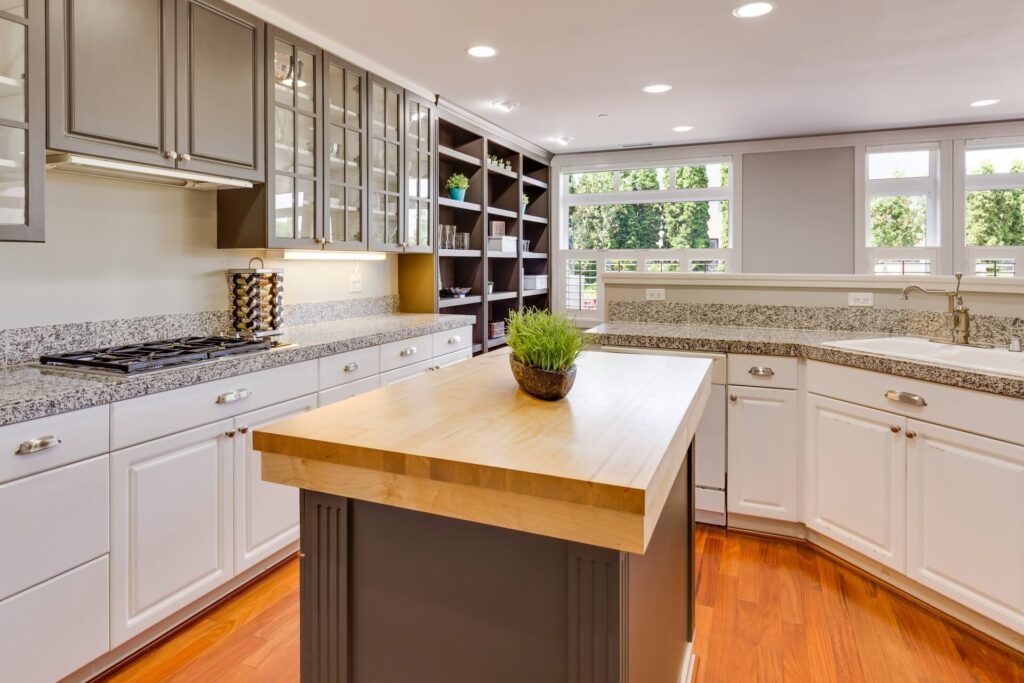
When choosing a countertop, heat resistance is just one piece of the puzzle. Here’s how quartz stacks up against other popular materials:
Quartz vs Granite
Granite is a natural stone that generally handles heat better than quartz. You can place hot cookware on granite more safely, though it’s still not recommended as a habit. Granite does require sealing and is more prone to staining, which quartz resists more effectively.
Quartz vs Marble
Marble is fairly heat-resistant, but it’s much more vulnerable to etching, scratching, and staining. In busy kitchens, marble often wears faster than quartz, even though it tolerates heat slightly better.
Quartz vs Quartzite
Quartzite is often confused with quartz, but it’s a natural stone. It offers excellent heat resistance, similar to granite, but is usually more expensive and requires sealing. Quartz wins for low maintenance; quartzite wins for heat tolerance.
Quartz vs Laminate and Solid Surface
Compared to laminate or solid surface countertops, quartz performs far better under heat. Laminate can scorch or warp quickly, while quartz provides a much higher durability baseline for modern kitchens.
For homeowners weighing performance, resale value, and maintenance, quartz remains a strong all-around option, as long as you respect its limits.
How to Protect Quartz Countertops From Heat Damage
Protecting quartz is less about being overly cautious and more about building smart habits into your kitchen routine. Using trivets or heat pads under hot cookware is the simplest and most effective solution. Cooling racks near the stove also give you a designated landing spot for hot pans without risking the surface.
Contractors often recommend leaving a small buffer zone between cooktops and quartz surfaces during kitchen design. For renters, portable solutions like silicone mats or decorative stone trivets offer protection without permanent changes. What you shouldn’t rely on is towels, wooden cutting boards, or stacked papers as these can trap heat and create uneven temperature transfer, which is exactly what quartz doesn’t tolerate well.
Is Quartz Still a Good Choice for Kitchens?
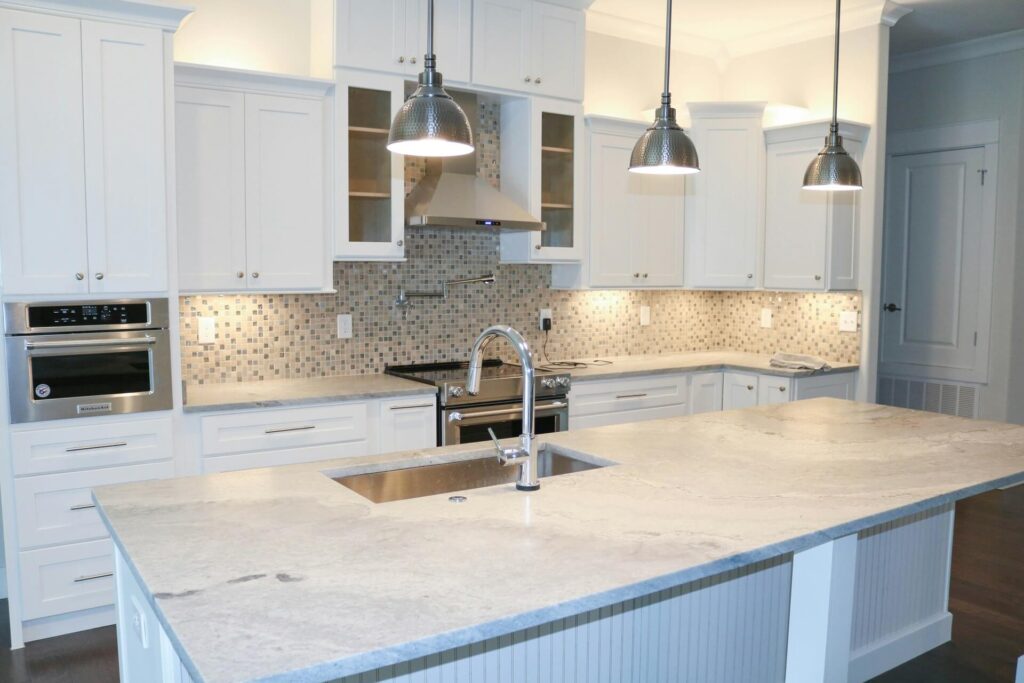
Despite its heat limitations, quartz remains one of the most popular countertop materials and for good reason. Quartz is popular because it is nonporous, stain-resistant, low-maintenance, and visually consistent, making it ideal for busy households, rental properties, and modern renovations.
Quartz is especially well-suited for kitchens where aesthetics, cleanliness, and durability matter more than frequent exposure to extreme heat. If you’re an avid home chef who regularly works with cast iron or high-heat cooking, a natural stone like granite or quartzite may better suit your cooking style. For most households, though, quartz offers a strong balance of performance and practicality when used correctly.
Take the Heat and Stay in the Kitchen
Quartz may not love a sizzling pan, but that doesn’t mean it can’t handle the everyday heat. When you understand its limits and use a few protective habits, quartz delivers long-term durability, style, and resale appeal without the maintenance demands of natural stone.
About The Author
Rose is the managing editor of Renovated and a dedicated freelance writer with over six years of experience in the home and garden industry. Her passion for landscaping and sustainable practices is deeply rooted in her upbringing — growing up in a family of contractors, she was exposed to the world of construction and design from a young age. This hands-on experience fostered her love for nature and gardening, giving her a green thumb and a keen eye for creating beautiful outdoor spaces.
Throughout her career, Rose has honed her expertise in researching and writing about sustainable construction practices, focusing on innovative technologies that enhance the built environment while minimizing environmental impact. She is particularly interested in green roofing, water-efficient landscaping, and integrating native plants in design, all reflecting her commitment to sustainability. Rose's work has appeared in various publications, where she shares valuable insights and practical tips for seasoned professionals and novice DIY-ers.
In addition to her writing, Rose enjoys collaborating with landscape architects and contractors on projects that emphasize eco-friendly design and sustainable materials. She believes that every garden has the potential to be a vibrant ecosystem and works to inspire others to create spaces that are not only beautiful but also environmentally responsible.