

We are reader-supported. When you buy through links on our site, we may earn an affiliate commission.
Stamped concrete is a good option to enhance your property’s curb appeal or make surfaces safer for everyday use. However, it is crucial to understand the process, cost and patterns available before diving in. Allow this guide to inform your decisions every step of the way, from a flat cement slab to a stunning and unexpected design opportunity.
Stamped concrete is a decorative approach to transforming a cement slab and making it resemble natural stone, brick, or wood. Some embossed options include different colorations, imprints and unique scoring patterns. It’s ultimately a textured surface that improves the appearance of flat surfaces.
Real estate experts agree that a stamped concrete driveway has a higher resale value than a regular cement slab and is much easier to achieve than when applied to asphalt. If you want your property to stand out to passersby and possible homebuyers, embossing the cement might be a good choice.
Older stamping methods used aluminum or plastic cookie-cutter molds to create patterns in concrete. However, today’s stamped concrete process is much more realistic, with latex molds cast from actual natural materials for an organic finish.
A professional team will clear debris from the area and pour mixed concrete, removing air pockets and leveling the surface. They will then apply a liquid or powder release agent to prevent the concrete and stamp from sticking together.
While the cement is wet, the contractor positions the stamp and begins imprinting the pattern with even pressure, continuing the design as initially laid out. The concrete must cure and harden before gently removing the powder release agent and applying a sealant.
Curing takes nine or more hours to finally set, during which the cement undergoes chemical reactions to build durability. The higher the temperature, the faster the process, which is why it is best to pour and stamp concrete during the warmer months.
Stamped cement is highly versatile and ideal for driveways, patios and walkways. A stunning stampcrete pattern can spruce up your curb appeal and turn your backyard into a refined oasis with a luxurious European aesthetic. Meanwhile, adding texture to your pool deck makes the area safer and more leisure-friendly.
Outdoor slabs aren’t the only places you can stamp, though. You can emboss your interior floors or vertical surfaces, such as a fireplace or accent wall.
Generally, stamped concrete costs $8 to $13 per square foot for one pattern, no coloring and no border, but more complex designs and colors are often more expensive.
Two colors, one pattern and a customized border might cost around $13 to $19 per square foot, while a detailed embossed concrete resembling actual stone or including intricate carvings costs about $19 to over $26.
Many homeowners like imprinted cement because it offers endless customization opportunities. It’s easy to turn a boring cement slab into an artistic feature that makes your property stand out. Here are five stampcrete patterns, textures and colors to inspire your creativity.
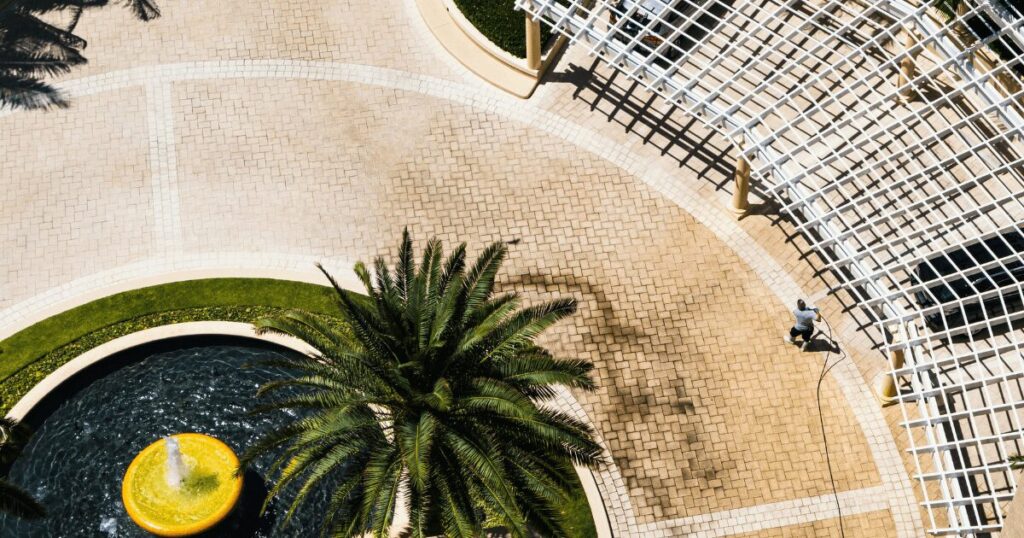
Herringbone is a popular motif for people who want their concrete to have an elegant finish. You often find herringbone in brickwork or laid tile. Because it’s a classic look, it won’t make your space outdated. In the summer, dressing up a herringbone-stamped concrete pattern with beautiful patio furniture and potted flowers will enhance its appearance.
For an old English-style outdoor space or driveway, you should imitate random stones of various colors, sizes and textures. These elaborate patterns look just like real fieldstones and work best in yards where you try to blend the ground with the surrounding nature. Adding a pond or a lush garden bed can make it even more appealing.
The Grand Ashlar is an old masonry approach using fitted rectangular and square stones of various sizes to create horizontal lines. You want to avoid too much symmetry or uniformity with this design, making it suitable for multiple colors and textures. For instance, add a slate imprint or brick color to disrupt the pattern.
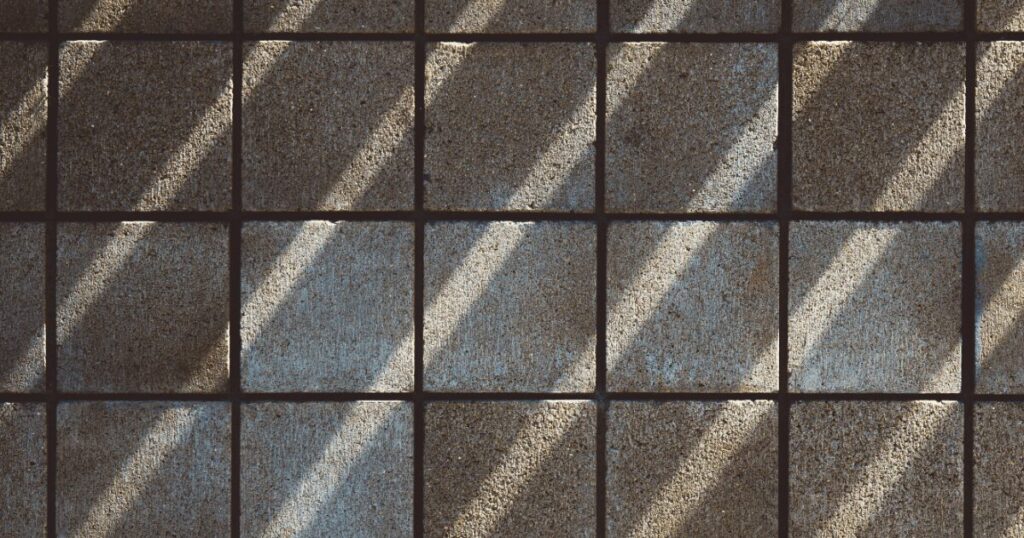
Stamped concrete resembling square tiles is ideal for a midcentury modern home or contemporary style preference. Whether you want something geometric or historic, it is versatile enough to switch up your design. A slate texture finish, in particular, can help you capture a European aesthetic. Although the pattern is square, you can select different dimensions and colors to switch things up.
If you can’t decide on one embossed concrete design, incorporate different patterns and colors. This is especially appealing on a patio slab you’re trying to decorate. Perhaps start with a circle of square tile shapes, followed by a round border of random fieldstones. You can separate the stamped patterns further with different brown or gray shades or give them a realistic stone or wood texture.
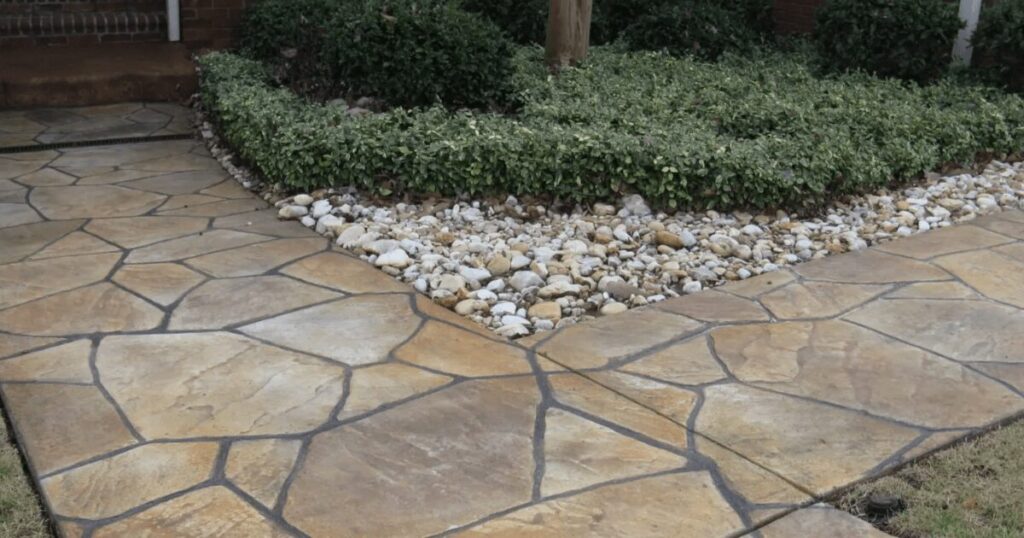
Image sourced from: StampItCrete.
Whether you want to impress your neighbors with a beautiful driveway and walkway or enhance your patio with a one-of-a-kind design, stamped concrete is a durable, long-lasting solution. By understanding the costs and process of creating patterns in cement, you can make the best decision for an eye-catching surface.
According to LawnStarter, you should reseal embossed concrete every two to three years, waiting four to five hours at minimum before walking on it again. When resealing a stamped concrete driveway, wait at least a week before parking your car.
With the proper care and maintenance, your stamped concrete should last about 25 years, but it varies. Water intrusion, cracks, environmental impacts and a lack of care could reduce its longevity. Therefore, it is critical to reseal it and repair the damage immediately.
Carefully research stamped concrete contractors near you to find a qualified professional. Also, ask your friends, family and neighbors for recommendations. You’ll want to search for businesses online and read reviews. Inquiring about their experience, licensure and insurance is equally important. Get at least three quotes and compare each contractor’s services to make an informed decision.
Note: This article was first published on June 24, 2025, and was revised on March 19, 2026 to reflect the most current information.