

We are reader-supported. When you buy through links on our site, we may earn an affiliate commission.
The COVID-19 pandemic brought indoor air quality into the public eye, perhaps for the first time for many. You might not have previously thought twice about how often your local grocer’s changed their air filters, and you might regard your boss’s “all hands on deck” email with suspicion, wondering if your previous workplace is safe.
Why do buildings often have poor air quality? Here are six factors contributing to the problem and what you can do to address them.
Some HVAC systems fail to perform to standards because they’re simply too small to heat and cool the area they treat. A general rule of thumb is that it takes 25 BTUs to cool one square foot of space. If you’re replacing your home’s unit, you can use this equation to calculate your central air conditioning needs.
However, commercial systems work a bit differently. They allow for daisy-chaining so that the facility can add units as they grow and expand. Problems arise when those seeking to cut costs underestimate how much their system can handle. Ironically, such corner-cutting can result in pricey repairs down the road as overtaxed units freeze and blow their condensers.
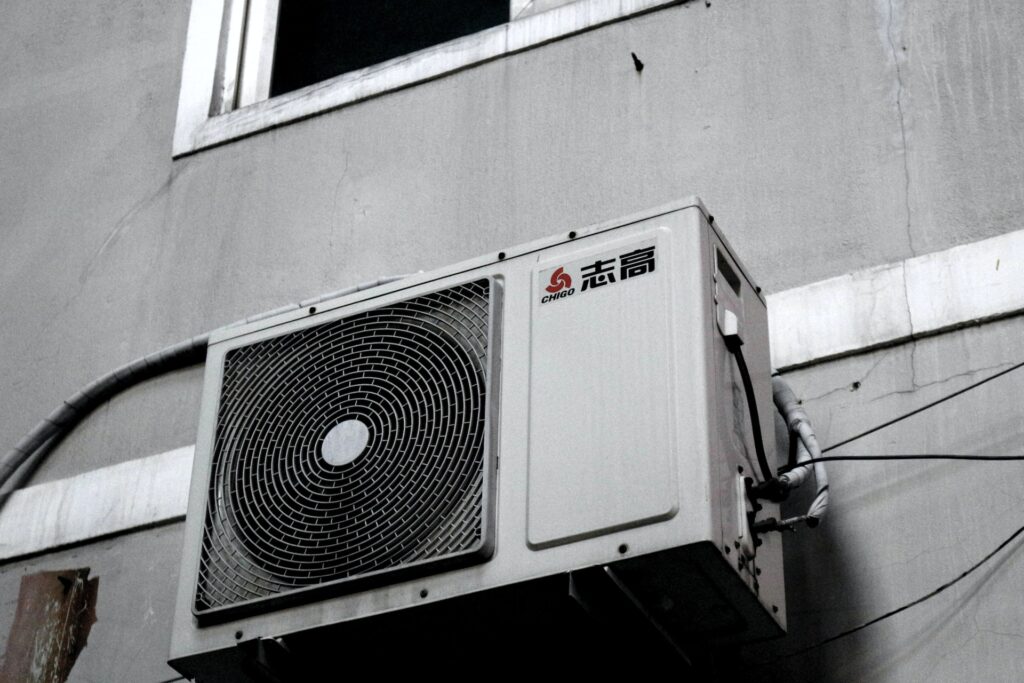
If you’re lazy about changing the filters in your home, you could expose your loved ones to unnecessary germs. You could also create slow but subtle damage to your system, leading to costly repairs down the road. According to the folks at Energy.gov, you should change your filters every other month or two during the cooling season. Follow the same protocol when you run your heater.
Consider more frequent, monthly changes if you have smokers or pets in the home, creating extra dust and dander. Pro-tip: Coordinate your changes with paying your mortgage or rent to make it a snap to remember.
Volatile organic compounds exist in everything from new furniture to paint. They can linger on your clothes after dry cleaning or emit from chemical pottles. VOCs can damage your liver, kidneys and central nervous system and possibly cause cancer.
You can take charge of VOCs by paying attention when purchasing new items. Are you painting or renovating? Seek low-VOC paint at your local home improvement store. Choose furniture with low VOC levels, working with your HR department if possible. Wear protective gear such as a face mask when painting or performing other tasks exposing you to these chemicals.
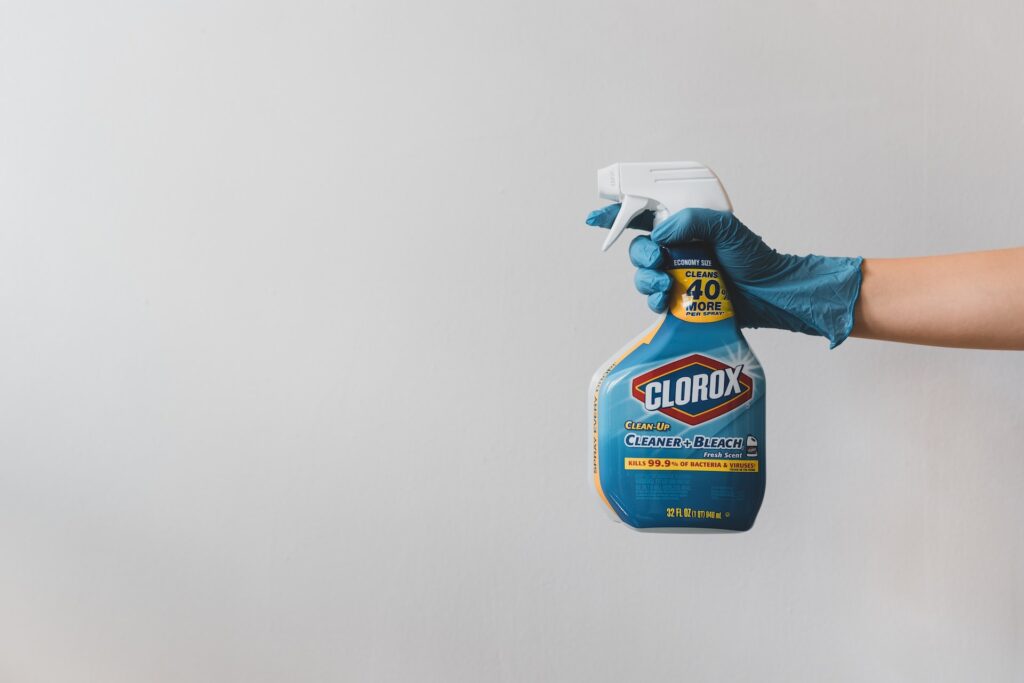
Cleaning chemicals provide another source of indoor air pollution. The problem increases if you rely on sprays to eliminate unpleasant odors. Many commercial products reveal less than 10% of all volatile ingredients make it onto the label or information sheet. You might not even realize how many unpleasant toxins you’re releasing into the air to block the scent of your cubicle mate’s reheated salmon.
Are scented candles how to go? The evidence remains mixed. Many people claim that paraffin wax candles release volatile compounds like formaldehyde into the air because of their petroleum base. However, candles made from natural ingredients like soy produce less of a problem. For example, stearin candles emit 50% less soot and combustion materials than paraffin. It also lasts longer, giving you more bang for your air-freshening buck.
Why do buildings often have poor air quality? Another reason is windows — or the lack of them, rather. The pandemic probably taught you that one of the fastest ways to improve indoor air quality is to open a window. However, some buildings don’t give you that choice, explaining why they often get low ratings. For example, many commercial warehouses feature no windows or tiny ones parked so high on the wall that it’s impossible to open them even if they offer such a feature. Many don’t open at all.
When searching for new properties, look for those with plenty of windows — that open. A glass facade might look attractive from the outside, but it won’t do a thing for your indoor air quality if you don’t include screens that let in the breeze.
Are you doing a ground-up build? If so, please design your building for maximum circulation.
For example, some homes and commercial office buildings don’t have any windows and doors opposite each other to let the breeze flow through them. Air can enter, but it gets trapped in pockets, becoming stagnant. The solution? Align your back door with a sunny front window or door that lets the wind whisk through on blustery days, blowing out the old, stale air and replacing it with fresh.
Another must? Include ceiling fans. What models should you choose? Those with the biggest blades can spin all day lazily, producing a consistent flow.
COVID-19 made one thing clear: Indoor air quality matters. Now you understand the factors that influence why so many buildings fail in this regard.
Take the measures above to improve the indoor air quality in the buildings where you work and dwell. You’ll breathe easier, experience fewer health woes and do your part to protect the environment for others. Now that you know the answers to the question, “Why do buildings often have poor air quality?” you can take reasonable steps to improve the situation.