How Do North American Sponge Cities Tackle Climate Change?

We are reader-supported. When you buy through links on our site, we may earn an affiliate commission.
Across the world, cities are dealing with a new climate reality. Storms are heavier, floods arrive faster and long dry spells leave communities struggling to keep up. The sponge city approach offers a refreshing shift away from the old “concrete first” mindset.
Instead of forcing water to disappear, sponge cities work with rain, soil, plants and landscapes to create urban environments that feel more resilient, more liveable and more connected to nature. This idea has taken root from North America to Europe, Asia and Australia, proving that a greener city can also be a safer one.
What Is a Sponge City Concept?
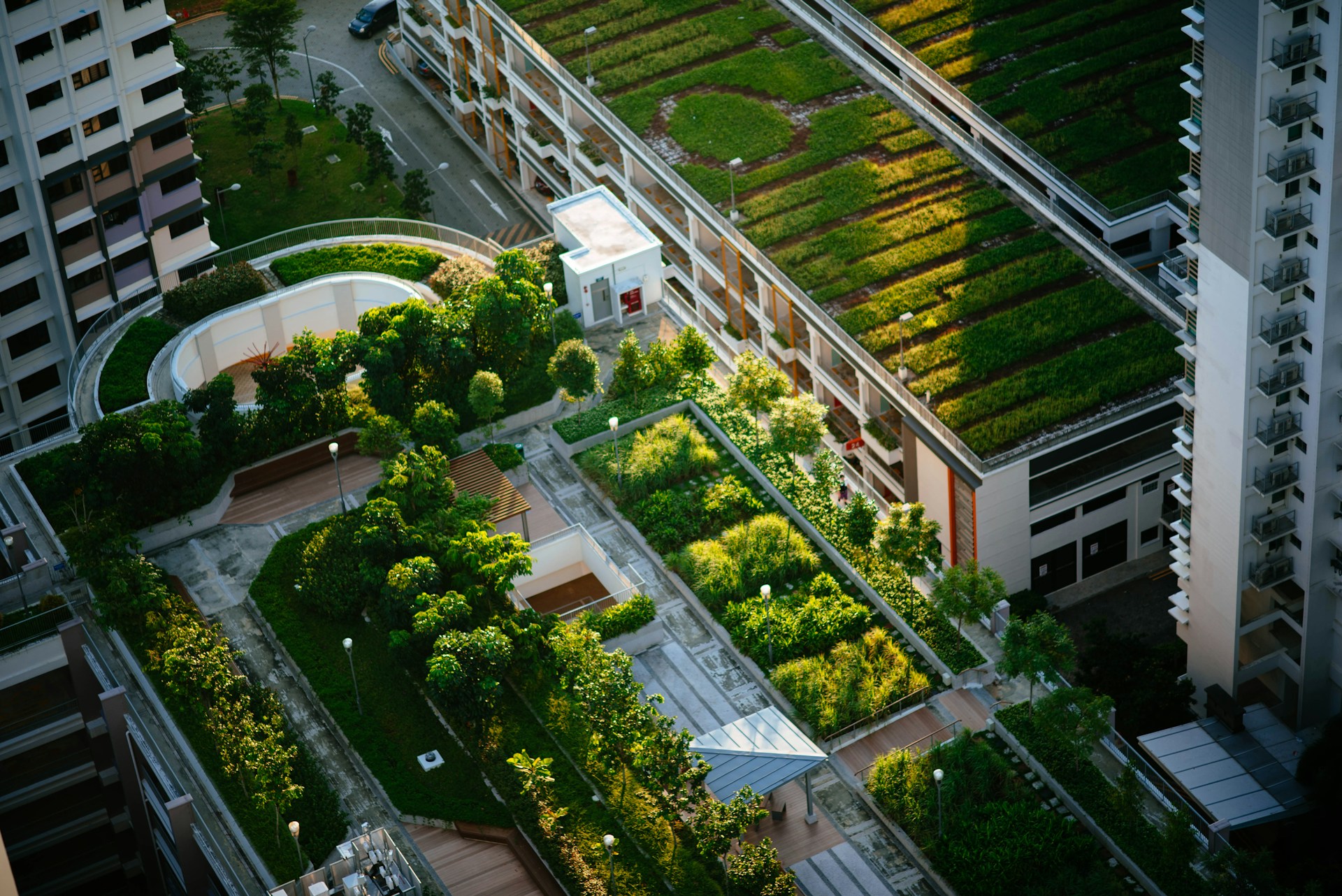
A sponge city is an urban area designed to naturally absorb, store and clean rainwater. Instead of relying only on pipes and drains, a sponge city uses nature-based solutions such as rain gardens, wetlands, green roofs, trees and permeable pavement. These features allow rainwater to soak into the ground the same way it would in a forest or meadow.
In a traditional city, rain hits hard surfaces and races toward the nearest drain, often picking up oil, trash and chemicals along the way. It moves quickly, flooding low-lying neighborhoods and sending polluted water into rivers and lakes. A sponge city slows everything down. Water is treated as something useful, rather than something to fight against.
How Do Sponge Cities Work?
Sponge cities work through a network of green landscapes and engineered systems that come together to manage water in more innovative ways. Some of these features are as simple as planting trees. Others require careful planning and long-term investment. The goal is always the same — to keep water where it falls and to let the environment help handle the load.

One of the most crucial aspects of a sponge city is its capacity to absorb stormwater. This is done through rain gardens, vegetated swales and park spaces designed to temporarily hold water during storms. Once the storm passes, the water slowly sinks into the soil instead of rushing toward a drain.
Sponge cities also store water, allowing it to be reused later. Green roofs, underground tanks and retention ponds help hold water that would typically run off the streets. This stored water can be used for irrigation, cooling and even for reducing strain on drinking water systems during dry periods.
Another benefit is natural filtration. When water moves through soil and plant roots, it loses much of the pollution it picked up on roads and sidewalks. This improves water quality throughout the region. It also helps replenish groundwater supplies, which is becoming increasingly crucial as droughts become more common across North America.
Sponge city features also help reduce extreme heat. Shaded streets, connected parks and reflective or green roofs all lower temperatures in neighborhoods that would otherwise trap heat. This makes cities safer during heat waves and improves the overall quality of life.
Biodiversity is another part of the equation. When cities add wetlands, trees and native plants, they create healthier habitats for birds, insects and local wildlife. A more diverse ecosystem is more resilient, meaning it can recover more easily after storms or prolonged periods of heat.
What Cities Are Sponge Cities?
Many cities are already transforming their streets, parks and waterfronts with sponge city features. Each one adapts the concept to its own climate challenges and urban layout, resulting in a surprisingly wide range of local solutions.
Philadelphia
Philadelphia is often recognized as one of the most ambitious North American cities when it comes to sponge city development. The city’s Green City, Clean Waters program is a decades-long effort to overhaul old sewer systems using nature instead of expensive concrete tunnels. Many of the upgrades are tucked into everyday spaces. There are tree trenches along sidewalks, thousands of new street trees and rain gardens built into schoolyards and parking lots.
Philadelphia also added green roofs to public buildings and encouraged private property owners to do the same. These changes help control combined sewer overflows, which previously sent polluted water into rivers after every heavy rain. The city now prevents billions of gallons of runoff from entering waterways each year, demonstrating that small projects can have a significant impact.

Seattle
As one of the wettest cities in the U.S., Seattle has long dealt with heavy rainfall, but climate change has prompted the city to reassess its water management strategies. One of its signature efforts is the creation of roadside rain gardens in residential neighborhoods. These gardens capture stormwater before it can overwhelm drainage pipes.
Seattle has also restored streams and wetlands that were previously buried or altered during development. Trees are a major part of the city’s strategy as well, because they slow down rainfall, cool the air and improve soil absorption. Seattle’s green infrastructure also protects fragile ecosystems around Puget Sound by reducing the pollutants carried into nearby waters.
Vancouver
Vancouver’s Rain City Strategy is one of the most comprehensive sponge city plans in North America. It focuses on designing neighborhoods that can capture and clean rainwater using green streets, rain gardens and nature-based systems. The city has created “rain-friendly” corridors with trees and permeable surfaces, allowing water to seep into the ground instead of rushing into drains.
Vancouver also invests heavily in urban forestry, since tree canopies reduce flooding and extreme heat. Many new developments must include on-site rainwater management features such as green roofs or retention systems. These efforts help Vancouver achieve its climate adaptation goals while creating greener, more livable streets.
New York City
New York City has adopted sponge city techniques after several high-profile storms highlighted the city’s lack of preparedness. Schoolyards have been redesigned with turf fields, shade stress and underground storage layers that hold stormwater during cloudbursts. Similar features are being added to playgrounds, plazas and public housing developments.
The city has also expanded the use of green roofs, blue roofs and reflective surfaces on private and public buildings. Many neighborhoods now include curbside rain gardens that absorb water from the street. After Hurricane Ida caused major flash flooding, the city accelerated plans to redesign high-risk areas to safely manage sudden, intense storms.

A Softer Future in a Harder Climate
Sponge cities show that climate adaptation doesn’t need to be harsh or overwhelming. It can be thoughtful, beautiful and practical at the same time. By reshaping urban spaces to absorb and reuse water, cities can reduce floods, cool neighborhoods, clean their waterways and support thriving ecosystems. As more cities embrace these ideas, the urban world becomes a little more flexible, protected and hopeful.
About The Author
Peter is an associate editor for Renovated with over 5 years of experience writing in the home improvement and real estate sectors. He grew up learning woodworking and DIY skills from his grandfather, giving him a unique perspective on home renovation and maintenance. His personal interest in business has also led to him becoming a well-informed voice in the real estate world. He specializes in offering insightful, practical advice to new homeowners, guiding them on how to maximize their ROI.
When Peter has downtime, you'll find him at the top of a mountain, enjoying a scenic view. He also spends a lot of time cultivating his vegetable garden and tinkering in his woodshop.