
We are reader-supported. When you buy through links on our site, we may earn an affiliate commission.
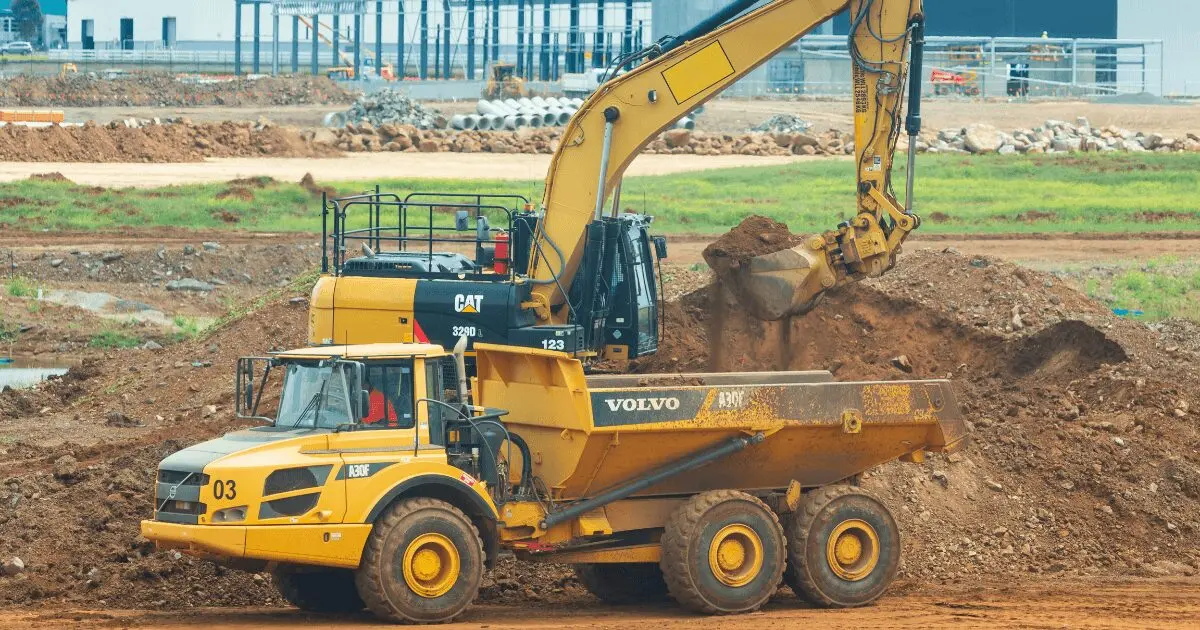
Heavy construction equipment is hard-wearing by design. However, excavators, bulldozers, concrete mixers, compactors, motor graders, dump trucks, skid steer loaders, telehandlers and other workhorses can fail prematurely when mishandled.
Used construction equipment requires more care and attention because it has already sustained wear and may no longer have an active warranty. Follow these seven essential steps to prolong your assets’ lifespans.
Human error is a common culprit in heavy equipment damage. Even seasoned operators make mistakes. However, blunders are less likely to happen when you formally train your employees instead of letting them learn the ropes on the job.
Teach your heavy machinery operators the mechanics of the equipment they will handle. They should know how to operate their heavy-duty vehicles appropriately. Your employees should also be able to perform basic troubleshooting to fix minor problems independently without waiting for technicians.
Moreover, familiarize them with safety procedures and personal protective equipment. This way, they will know the protocol to follow when something goes wrong, preventing issues from compounding and avoiding creating new problems.
Encourage your employees to read relevant operator’s manuals. Conduct refresher training to ensure your operators remember the vital information about their vehicles.
Construction sites usually have noise levels between 80 and 90 decibels, which can lead to misunderstandings between crew members. High-risk tasks like loading and unloading used heavy construction equipment onto trailers or cranes can also break the equipment and endanger people’s health.
Advise your workers to refrain from speaking simultaneously to minimize noise at the jobsite. Establish a chain of command to help everybody know and perform their role accordingly.
Only some construction professionals understand technical terms, so discourage jargon use and encourage everyone to exchange messages in plain language to ensure everyone’s on the same page.
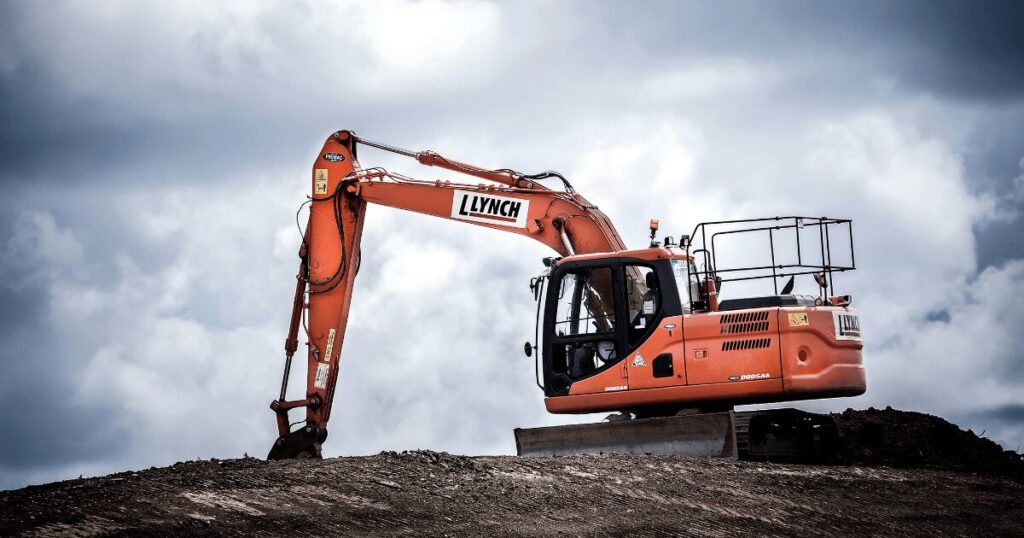
Unfriendly weather creates additional and aggravates existing hazards around the site. Running heavy-duty vehicles in the water increases the chances of accidents. Prolonged exposure to moisture can corrode a machine’s inner workings.
As tempting as it may be to commence construction work in bad weather to meet tight deadlines, think twice about operating heavy machinery when it rains. Equipment malfunction can also cause delays plus repairs, so focus on other tasks until the sky clears.
Overworking any construction equipment can result in accelerated wear. Used machinery is at higher risk. Its aging parts are highly susceptible to high temperatures and excessive pressure.
If you need to use the same vehicles nonstop to accomplish tasks, you may need a bigger fleet for the job. Any honest equipment trader would advise you to rent additional assets instead of buying more to split workloads between more machines. The daily rates of rentals usually apply to eight hours of use, allowing you to scale up your operation when necessary.
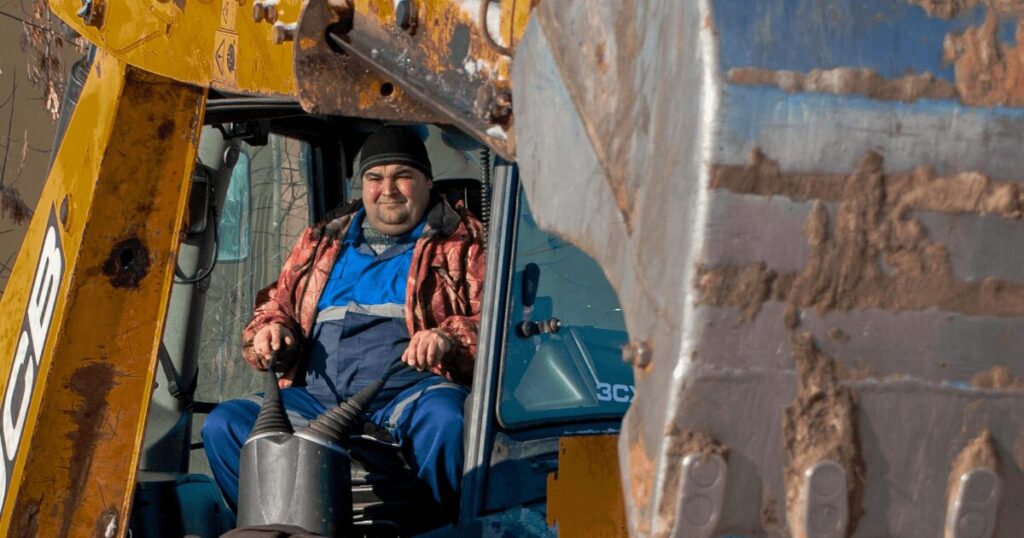
Idle equipment is like a phantom load. It contributes no output, yet it consumes energy and unnecessarily wears components.
Idling is a symptom of poor planning and inefficient processes. Adopt lean construction principles to properly utilize your on-site assets and reduce equipment maintenance and repair costs.
Heavy machinery is still subject to wear and tear in storage. You should treat your assets like you’re about to use them before they hibernate to protect them from the elements and pause their aging.
Before taking your construction equipment to a warehouse, shipping container or welded mesh cage, inspect it thoroughly. Its operator’s manual should include a checklist of the parts to assess. Repair all damaged components — like compromised window and windshield seals — and replace the missing ones.
If everything looks good, lubricate machine components to prevent rust and top off fluid containers to inhibit water condensation.
Furthermore, ensure proper tire pressure. Underinflated tires can lose months or years of their expected lifespans in storage. Lastly, clean your equipment — especially the engine compartment — to remove grime and debris that can trigger corrosion and other forms of damage.
Used assets are more prone to wear, so scheduled checkups may not be enough to keep them functional over the long term. Implementing a proactive maintenance program is vital to detect and address signs of problems early.
This brand of equipment upkeep combines elements of preventive and predictive maintenance methods. This emerging concept emphasizes the need to know what’s happening with your construction vehicles and anticipate when they may act up or break down.
Invest in proper technology to track crucial metrics — such as acceleration, speed and braking — collect granular data and glean actionable insights. Many construction fleet management hardware and software vendors also offer analytics. Consider outsourcing your proactive maintenance needs to them to concentrate on your core business processes.
Extending the utility of your used heavy-duty vehicles for as long as possible is cost-saving and sustainable. While it sounds like considerable work, these steps should guide you every step of the way.