

We are reader-supported. When you buy through links on our site, we may earn an affiliate commission.
As the construction industry continues its shift toward sustainability, the latest iteration of the Leadership in Energy and Environmental Design framework — LEED v5 — introduces more stringent goals for reducing embodied carbon, improving energy efficiency and enhancing overall building performance. Eco-builders must adopt innovative materials and technologies that align with these goals.
From reducing emissions in concrete production to integrating dynamic energy-saving materials, explore seven cutting-edge products in 2025 that support LEED v5’s objectives. These solutions are shaping the future of green building, offering tangible benefits in both commercial and residential construction.
Hempcrete, a composite material made from hemp hurds and a lime-based binder, is gaining traction as an eco-friendly alternative to conventional concrete. Notably, hempcrete is carbon-negative, so absorbs more CO₂ than it emits during production.
The demand for sustainable building materials like hempcrete is becoming more pronounced, especially as the climate crisis accelerates and causes commercial property insurance carriers to charge more or deny claims. For example, nine property and casualty insurers in Florida have declared insolvency in response to that state’s natural disasters.
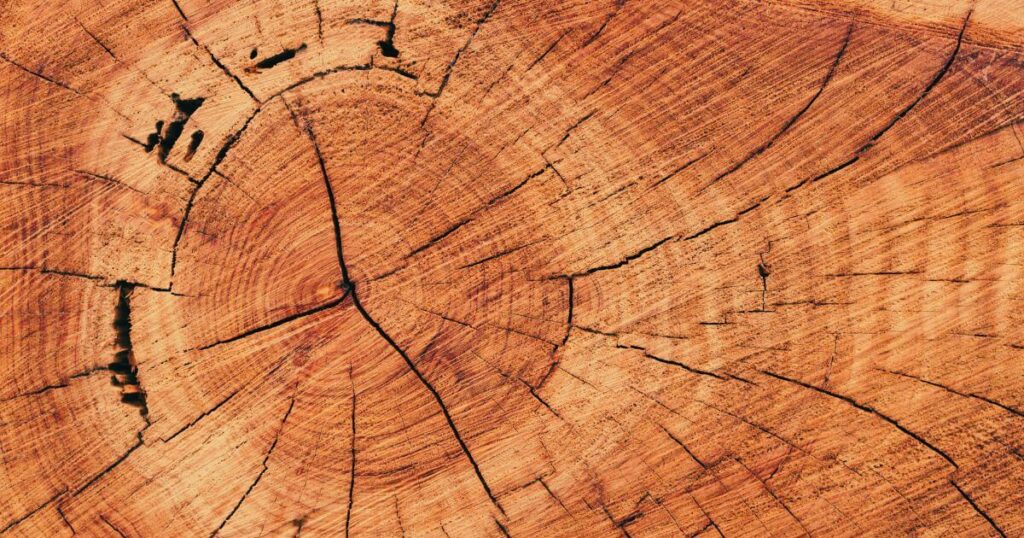
Cross-laminated timber is rapidly becoming a preferred alternative to steel and concrete in sustainable construction. Made by layering timber sections perpendicularly and bonding them under high pressure, CLT offers exceptional strength, durability and fire resistance.
Builders have successfully used CLT in projects like the Mjøstårnet Tower in Norway, Europe’s tallest timber structure at 280 feet. In the U.S., states like Oregon and Washington are pioneering mass timber adoption for mid-rise and high-rise structures.
As CLT projects align with growing investor preference for sustainable developments, they contribute to carbon sequestration and higher property values. Sustainable properties offer a 10% to 21% increase in market value compared to conventional buildings, making them an attractive option for investors looking for long-term financial returns.
Steel remains a cornerstone of modern construction, but traditional steel production is energy-intensive. Recycled steel lets builders dramatically decrease their carbon footprints without sacrificing strength or durability.
Companies like Nucor and ArcelorMittal are investing in electric arc furnace technology, enabling steel recycling with significantly lower emissions than blast furnace production. In 2025, global demand for green steel should drive further investment in sustainable metallurgy.
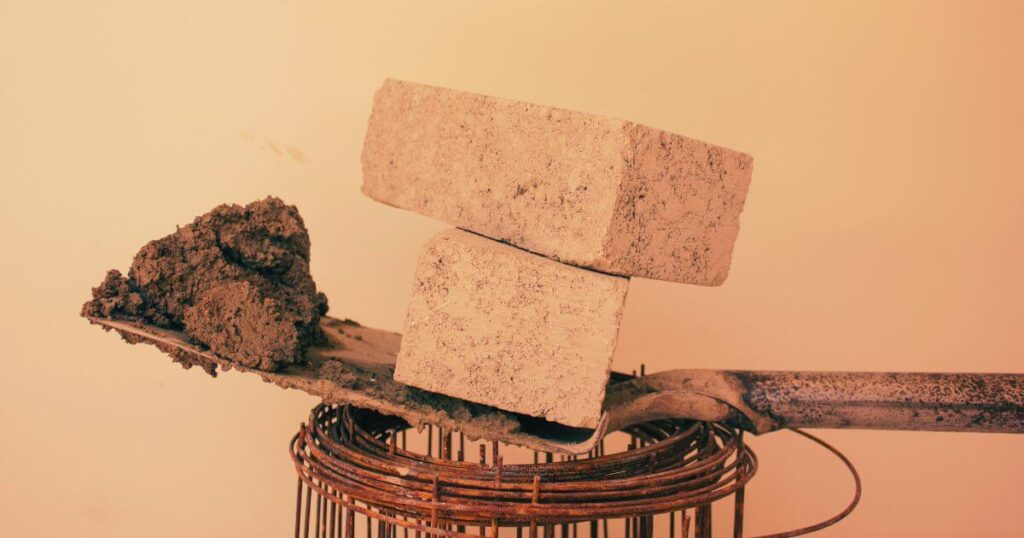
Concrete accounts for 8% of global CO₂ emissions, primarily due to its cement content. In response, low-carbon concrete alternatives, such as geopolymer concrete and carbon-cured concrete, are revolutionizing the industry.
Though low-carbon concrete is making inroads, cost and contractor familiarity remain barriers. However, governmental incentives for carbon-neutral construction should accelerate adoption.
Structural insulated panels are a prefabricated alternative to traditional framing. They consist of a rigid foam core sandwiched between two structural surfaces. Their airtight construction significantly enhances building performance.
As demand for high-performance building envelopes grows, SIP manufacturers are developing bio-based foams to further reduce environmental impact. In 2025, SIPs will gain prominence in passive house and net-zero construction.
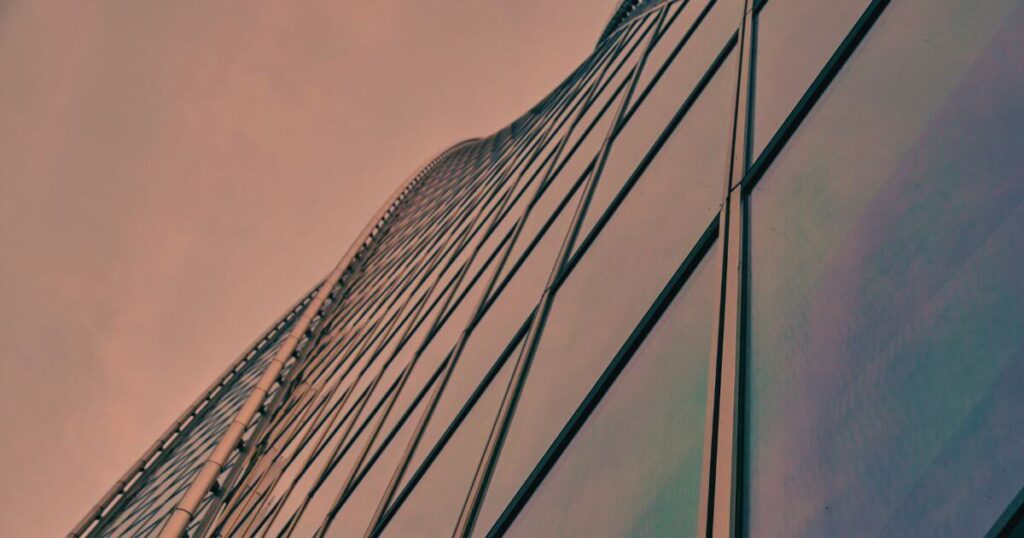
Smart glass, also known as electrochromic glass, dynamically adjusts its tint in response to light conditions or user controls. Modulating solar heat gain enhances energy efficiency in commercial and residential buildings.
Tech giants like Google and Microsoft have integrated smart glass into their sustainable office designs. As costs decline, adoption should increase across commercial and residential markets.
The construction sector generated 77 million metric tons of plastic waste in 2019. Recycled plastic building materials are emerging as a sustainable alternative for applications such as decking, insulation and structural components.
Companies like ByFusion and Ecobrick are developing plastic-based bricks and panels that offer high compressive strength and ease of assembly. In 2025, advancements in plastic waste repurposing will fuel further innovations in sustainable building materials.
The push toward low-carbon, high-efficiency building materials is reshaping the construction industry. As LEED v5 sets a new benchmark for sustainability, adopting carbon-negative materials, recycled components and energy-optimizing technologies is becoming a necessity, not an option.
Eco-builders who integrate these seven innovative products into their projects will achieve higher LEED certification levels and contribute to a greener, more resilient built environment. These materials will influence the next generation of sustainable construction as technology advances and regulatory support grows.
Here is a quick summary of the article and a FAQ section to answer typical questions.
LEED v5 (Leadership in Energy and Environmental Design) is the latest version of the green building certification program developed by the U.S. Green Building Council (USGBC). It establishes new standards and goals for sustainability in the construction industry, focusing on reducing embodied carbon, improving energy efficiency and enhancing overall building performance.
Adopting innovative materials that align with LEED v5 goals is crucial for reducing the environmental impact of construction projects. These materials can help minimize carbon emissions, improve energy efficiency, and promote sustainable practices, ultimately contributing to a healthier planet.
The article highlights several cutting-edge products, including:
Hempcrete is a carbon-negative building material, meaning it absorbs more CO₂ than it emits during production. It also enhances indoor air quality, provides excellent insulation, and requires minimal processing, which aligns with LEED v5’s emphasis on reducing embodied carbon.
CLT is a sustainable alternative to steel and concrete, capturing and storing carbon dioxide. It is durable, fire-resistant, and promotes the use of responsibly sourced materials, making it an excellent choice for eco-conscious builders.
Low-carbon concrete substitutes traditional Portland cement with alternative binders, significantly reducing CO₂ emissions associated with cement production. It can also incorporate carbon capture technology, which locks emissions into the concrete during mixing.
SIPs are prefabricated panels with a rigid foam core sandwiched between two structural surfaces. They provide excellent thermal efficiency, reduce heating and cooling loads, minimize on-site waste, and offer superior resistance to moisture and pests.
Smart or electrochromic glass adjusts its tint based on light conditions, optimizing solar heat gain and enhancing energy efficiency. By minimizing glare, it improves natural light use, reduces HVAC loads, and enhances occupant comfort.
Recycled plastic building materials help divert plastic waste from landfills and reduce reliance on virgin materials. They are durable, moisture-resistant, and can enhance energy efficiency through insulation properties.
By integrating the innovative products mentioned in this article, builders can significantly reduce their projects’ carbon footprints, enhance energy efficiency, and meet the stringent requirements set by LEED v5, ultimately achieving higher certification levels and contributing to a more sustainable built environment.