
We are reader-supported. When you buy through links on our site, we may earn an affiliate commission.
For the past few years, greige has dominated the home design world — and for good reason. This stylish blend of gray and beige has the best of both worlds — the cool sophistication of gray and the warmth of beige. But now, well into the 2020s, has greige had its moment?
Greige is a color that blends gray and beige, creating a warm, balanced neutral that isn’t too cool or too warm. It’s more dynamic than a flat gray and more modern than traditional beige. Depending on the lighting and surrounding colors, greige can lean either way — cooler with blue undertones or warmer with hints of yellow or brown. That flexibility is what makes it such a favorite in home design. It brings a sense of calm and simplicity to a space without feeling sterile or overly trendy.
Greige first started gaining popularity in the early 2010s as homeowners began looking for something more liveable than stark gray but less outdated than the classic tan and beige tones of the 1990s and early 2000s. Interior designers quickly embraced it for its versatility and ability to suit a range of aesthetics. From rustic farmhouses to urban apartments, greige felt at home everywhere. Its popularity exploded with the rise of minimalist and Scandinavian design trends, where neutral palettes were key.
As open floor plans became the norm, greige offered the perfect way to tie together multiple spaces with a cohesive and calming tone. People also loved that it worked beautifully with natural textures like wood, leather and linen. Whether on walls, upholstery or cabinetry, greige became a reliable staple — always stylish and never overpowering.
While greige had a strong run over the past decade, its reign as the go-to neutral is fading. Home design is moving toward bolder, more expressive choices, like deep greens, warm terracottas, rich browns and playful pastels. While still present in many homes, greige no longer feels fresh or forward-thinking. In fact, it’s starting to feel safe and a bit dated.
Many designers now view the color as a backdrop from the “transitional” design era — functional, neutral and nice, but lacking personality. Homeowners crave more mood, more individuality and more warmth. That means leaning into color, contrast and texture rather than relying on greige to carry the entire look. Color drenching is becoming one of the most popular 2025 design trends as people seek out bold colors and bright accents.
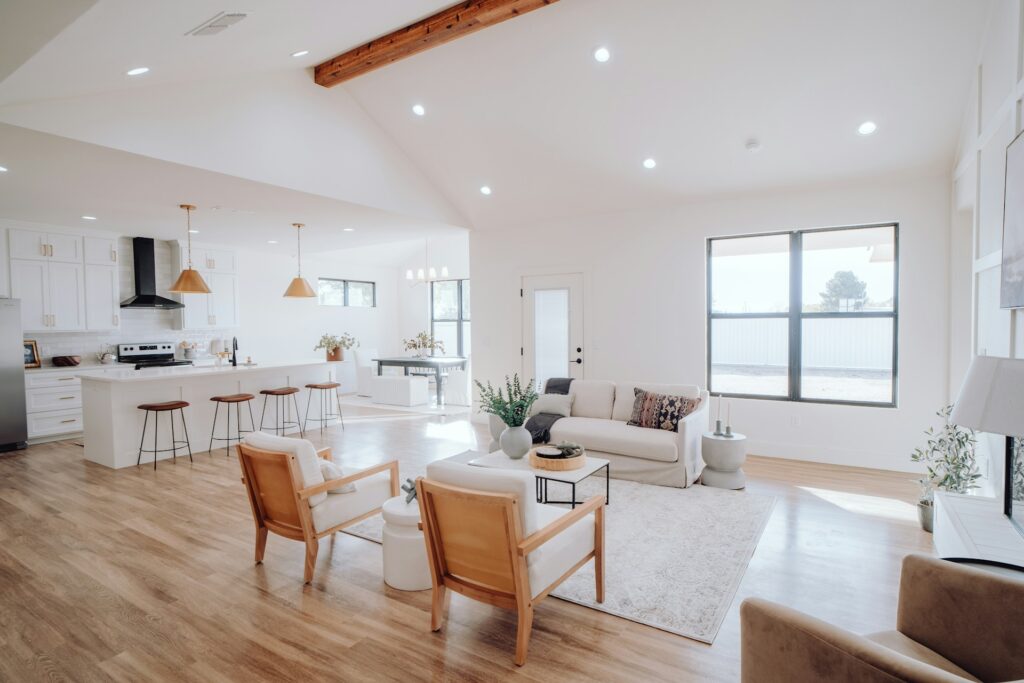
That doesn’t mean you need to repaint your whole house immediately — but if you’re designing a new space or updating an old one, consider exploring alternatives. Even updated neutrals like mushroom, oatmeal or warm taupe feel more current than the cooler greige tones of the past.
Greige had its moment in the spotlight for a reason — it’s a versatile and easy-to-love color that works across various styles. But like any trend, it comes with both benefits and drawbacks, especially as tastes shift. Here’s a quick breakdown to help you decide if greige still deserves a place in your home:
Pros:
Cons:
Trends are always changing — that’s just the nature of design. So, if your home already features greige, there’s no need to panic or rush to paint over everything. Instead of starting from scratch, focus on making the most of what you already have. With the right styling, greige color elements can still look polished, current and intentional. Here are a few smart ways to refresh and repurpose greige in your space:
One of the easiest ways to modernize a greige color palette is by adding bold, expressive accents. Think deep navy, charcoal, emerald green or even burnt orange. These richer tones create contrast and breathe new life into a greige backdrop. You can do this through accent walls, throw pillows, art or area rugs. Small changes can make a big impact without a full overhaul.
Greige kitchen cabinets can still feel fresh when you pair them with natural textures like wood, stone and woven elements. If your kitchen leans too cool or flat, consider swapping out metal hardware for warm brass or matte black finishes. Adding butcher block counters, open wood shelving or a textured backsplash can warm up the look and make the space feel more grounded and inviting.

A greige sofa is a neutral canvas just waiting for you to style it. Update it with a mix of patterned pillows, chunky knit throws and soft, layered textures. Incorporate trending colors like clay, rust or sage green through textiles or nearby accessories. This adds visual interest and brings personality to a piece that might otherwise feel plain.
Contrast greige with crisp white and deep black accents to avoid a dated look. This high-contrast combo is incredibly versatile and gives your greige color palette a more graphic, modern edge. Try black light fixtures, white trim or black-framed artwork. It sharpens the space and adds the kind of punch that makes everything feel more intentional.
If your space is heavy on straight lines and neutral tones, it can come off cold. Balance that out by introducing curved furniture, sculptural decor or round mirrors. These shades soften the overall look and work beautifully against greige color walls or furnishings, making the room feel more curated and updated.

Greige may no longer be the darling of the design world, but it hasn’t lost all value. Like any trend that’s run its course, it’s transitioning from must-have to classic neutral. If you already have greige in your home, you don’t need to toss it — just refresh it. With a few color, texture and contrast updates, greige can still be a beautiful part of a stylish and modern space.