Do I Have a Heat Pump or Furnace? Step-by-Step Guide to System Identification for Homeowners?


We are reader-supported. When you buy through links on our site, we may earn an affiliate commission.
I still remember winter in my first home, staring at the thermostat as the temperature dropped, wondering what kind of environmental control system I actually owned and if it needed maintenance. The inspection report said, “HVAC system present,” which felt about as helpful as saying “there are walls.” I didn’t know whether I had a heat pump or furnace, what that meant for my energy bills or what to do if something stopped working.
If that sounds familiar, you’re in the right place. Knowing whether your home uses a heat pump or a furnace affects comfort, operating costs, maintenance and future upgrade decisions. This guide helps you identify your system step by step, then explains what that system means for your home and what to do next if it starts acting up.
4 Steps to Identify Heat Pump or Furnace in Your Home
Heat pumps are outperforming furnaces and gas systems by a wide margin, with more heat pumps sold in the U.S. than other options since 2021. It’s not ideal for every possible home setup, and a lot of your system’s success will depend on the installation, setup and operational parameters.
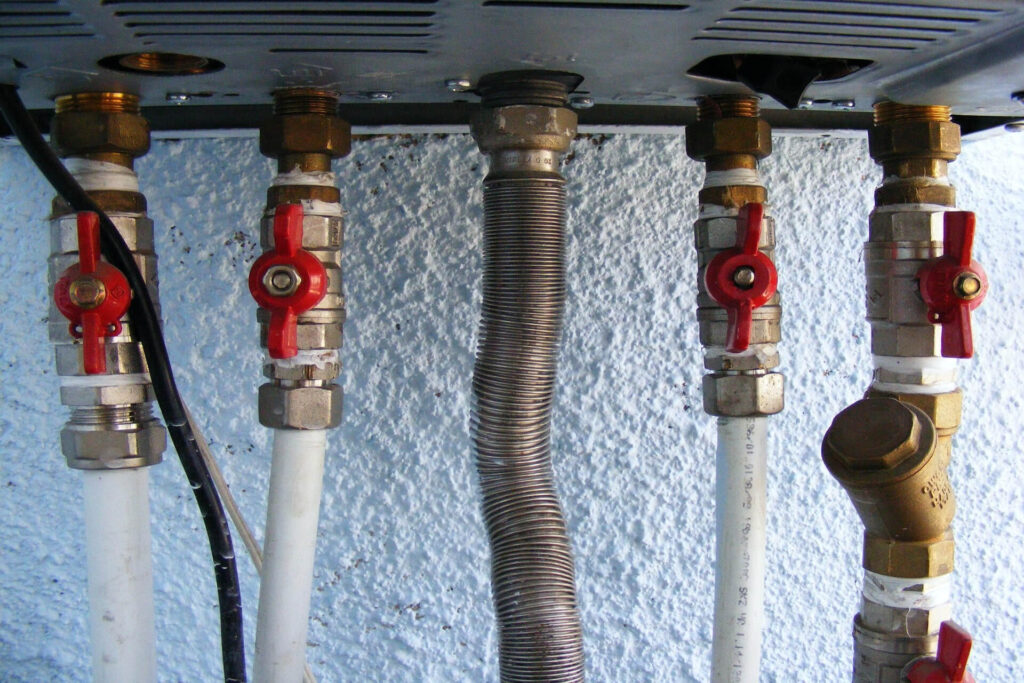
However, determining the type of heating unit in your home isn’t as complicated as you might think. Take a look at these four identifying features, and you’ll quickly know what type of unit you have — I saw pipes heading into the ground on mine and knew what it was. Heat pumps can also work as air-to-air models that thermoregulate with the air, and this type of model is ideal for warm or humid climates.
Step 1: Investigate the Outdoor Unit
When I first moved in, I was bowled over by the HVAC technician’s question about whether I had a heat pump or furnace, boiler or electric HVAC.
Start outside. Walk around your home and look for a large metal unit with a fan on top or on the side.
If you see an outdoor unit, that unit could be part of a central air conditioner or a heat pump. Heat pumps and central AC units look nearly identical from the outside.
The key difference shows up when the unit runs in winter. If you do not see an outdoor unit, you likely have a furnace-only system, common in older homes or colder regions. These systems warm the air indoors and do not rely on an outdoor compressor. The outdoor unit alone does not confirm it’s a heat pump, but it narrows your options quickly.
Step 2: Decode Your Thermostat’s Settings
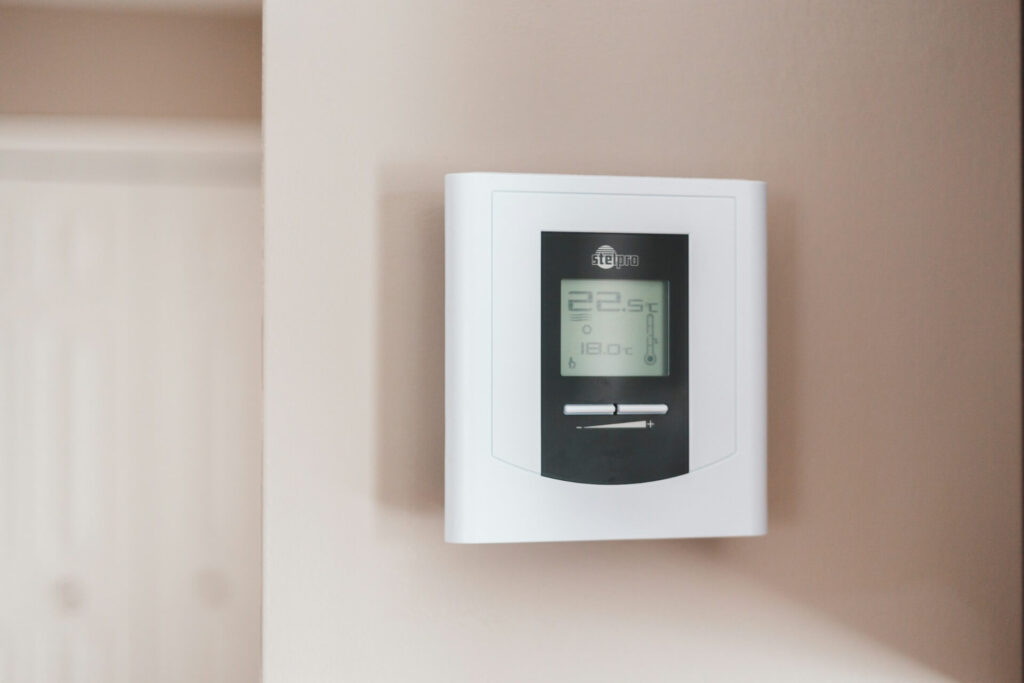
Your thermostat can clarify, and if it indicates “emergency” or “aux,” you almost certainly have a heat pump. These settings activate a backup heating source when outdoor temperatures drop too low for the pump to work efficiently.
If you only see “heat” and “cool,” you may have a furnace paired with a central air conditioner. Some older systems also lack clear labels, so this step works best alongside the others.
When I noticed “emergency heat” on my thermostat for the first time, it cleared up weeks of confusion in about five seconds.
Step 3: Find the Manufacturer’s Label
Every HVAC system has identification labels, and they hold the most definitive answers.
For an indoor unit, check the basement, utility closet, attic or garage. Outdoor units are in close proximity to your exterior walls, so look on the box’s side panel or rear. Look for the manufacturer name, model number and system type description.
Search the model number online. Manufacturer product pages and manuals usually state whether the unit is a heat pump or a gas or an electric furnace. This step removes any remaining guesswork, but some older units may lack labels, especially outdoor ones, or the label may be too damaged to read.
Step 4: Listen When the Heat Kicks On
Turn your thermostat up and listen carefully. With a heat pump, the outdoor unit continues to run even in winter. You’ll hear a steady hum similar to an air conditioner. Warm air from the vents may feel slightly cooler than a typical furnace.
With a furnace, the outdoor unit stays silent in winter. You hear an indoor “whoosh” as burners ignite, followed by the blower fan. Air from the vents feels noticeably hot.
This sound check often seals the deal when visual clues feel ambiguous.
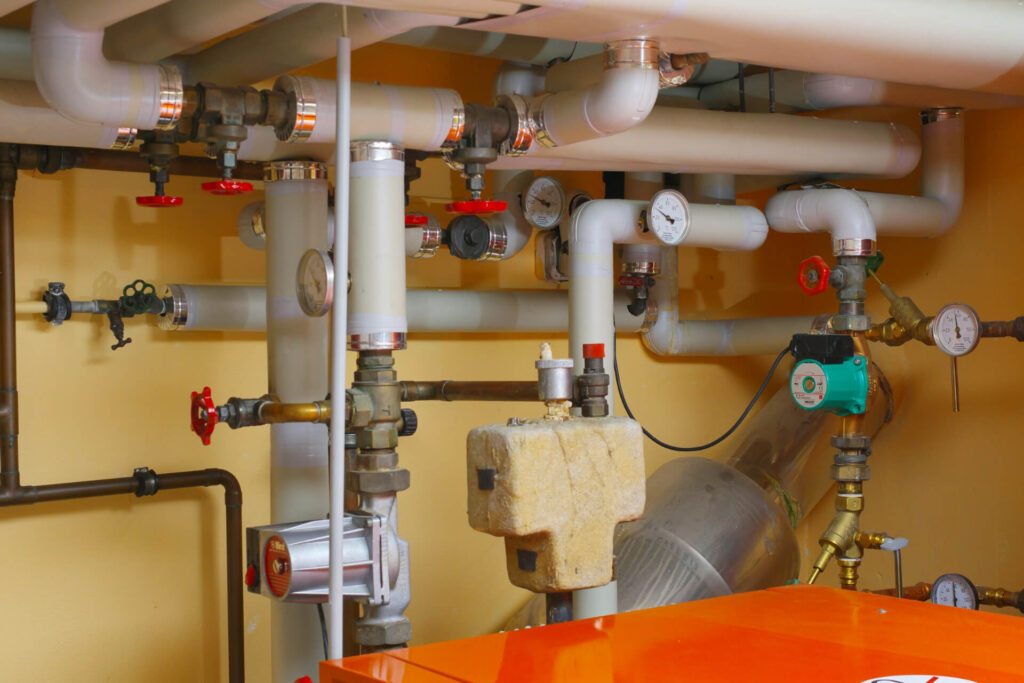
Heat Pump or Furnace: What’s Actually Different?
Before deciding to remove either system or invest in a new layout, consider how each works.
| How a Heat Pump Works: The Mover | How a Furnace Works: The Creator |
| A heat pump does not create warmth. It moves it through a network of pipes in the soil to transfer heat out of the house in summer and draws warmth in during winter. | A furnace generates heat inside your home. |
| In winter: It pulls warmth from the outdoor air, even when it feels cold. It transfers warmer air indoors through refrigerant cycles. In summer: It reverses direction and acts like an air conditioner. It removes heat from your home and releases it outside. | Most furnaces: Burn natural gas, propane or oil. Some use electric resistance coils. The process: Fuel ignites in a combustion chamber. Warms the air. A blower pushes that air through ductwork. |
| Because heat pumps move energy rather than generate it, they use less electricity than traditional electric resistance heating. That efficiency explains why heat pumps play a growing role in energy transition efforts across the United States. | Furnaces deliver powerful, consistent heat, which is why they dominate in regions with long, severe winters. |
Geothermal energy, which is created by the soil’s temperature changes, can benefit your home’s cooling needs. The pump itself is simple and requires no heating or cooling, and it merely moves air around. Here’s how it works.
What to Know About Your System Day to Day
Comparing the two options gives you a clear idea of what to expect, and for me, it was a game-changer, as my utility bill was substantially lower than it had been at my previous residence. Where the average American pays $137 for electricity and $80.33 for gas as part of their monthly utilities, the heat pump saved me quite a lot in that first winter month.
| Living With a Heat Pump | Living With a Furnace |
| Work best when: Temperatures stay moderate. The system runs steadily rather than cycling on and off. Expect: Lower operating costs in mild to cold climates. Less dramatic warmth at the vents. Seasonal defrost cycles, where the outdoor unit briefly reverses operation. | Shine when: Outdoor temperatures plunge for extended periods. Immediate, high-output heat matters. Expect: Strong airflow and hotter vent temperatures. Fuel-based costs are tied to gas or oil prices. Annual inspections to ensure safe combustion and venting. |
| Modern cold-climate heat pumps now operate efficiently well below freezing, closing the performance gap that once favored furnaces. | Furnaces tend to feel familiar and predictable, especially for homeowners used to traditional heating. |
More Questions
Can I Have Both a Heat Pump and a Furnace?
Many homes use a dual-fuel or hybrid system that combines a heat pump and a furnace. The pump handles everyday warming during mild weather, while the furnace kicks in when temperatures drop sharply. This setup balances efficiency and reliability, especially in regions with mixed climates.
Does Having a Heat Pump Mean I Don’t Need Air Conditioning?
The pump provides heating and cooling. In summer, it works like a central air conditioner, removing warmth from your home. Winter means it pumps out cold air and draws in warmer air. The pump is a heating and cooling system.
How Do I Know If My System Is Still Considered Efficient?
Efficiency depends on age, maintenance and technology. Heat pumps tend to last much longer than air conditioners when they receive regular maintenance. When your utility costs increase each month, it usually indicates that your system is no longer as efficient.
Making the Best Choice for Your Home
Knowing whether you have a heat pump or a furnace changes how you think about comfort, maintenance and future upgrades. Identification is the first step, but understanding performance, costs and long-term value matters just as much.
When I finally figured out my own system, I felt in control of my property and my heating and cooling needs. That clarity made conversations with HVAC professionals easier and decisions more confident.
Use the steps above to identify your system, monitor its performance and plan ahead. A little knowledge now saves time, money and stress later, especially when the temperature drops and your heating system becomes the most important machine in the house.
About The Author
Evelyn is the founder and editor-in-chief of Renovated with over 5 years of experience writing about interior design, construction, and renovation. She is a passionate advocate for improving mental health and safety in the construction industry. When she's not writing, you can find her reading at coffee shops around PA.
Her insights have resonated far beyond Renovated, gracing publications like the National Association of Realtors, Construction Executive, DecorMatters, and Renewable Energy Magazine.
For more insight on design, construction, and everything in between, you can check out Evelyn's portfolio, https://evelynlong.com/.