
We are reader-supported. When you buy through links on our site, we may earn an affiliate commission.
While the most affordable city is subjective, the cheapest cities to live in the United States include Decatur, Illinois, with a cost of living index (COLI) of 80, Brownsville, Texas, with a COLI of 85, and Wichita, Kansas, with a COLI of 87. With rising living costs nationwide, finding an affordable place to live has become a crucial step toward achieving financial freedom and a better quality of life.
So, where can you find the most affordable cities in the U.S.? This list is based on the most recent data from trusted sources and government platforms, including the Bureau of Labor Statistics, Zillow and Redfin. Find out how much it costs to live in each city, other factors that impact the cost of living and how to choose the most affordable city for you.
The COLI is a tool that standardizes and compares expenses across different geographic regions. It’s the only local-level cost-of-living indicator available in America.
The COLI works on a 100-point system. Any city that scores below 100 is cheaper than the national average, while a higher score indicates a higher cost of living. For example, if a place scored 115, it’s 15% more expensive than average. In 2026, as inflation and high housing demand continue to stretch budgets, a city is often considered affordable if its index score is at least 10% below the national average.
Here are the major categories that indices measure:
These factors are heavily influenced by regional economies — areas with high-paying sectors like tech and finance in the Northeast and West see higher costs, while the Midwest and South remain more affordable due to economies based in agriculture and manufacturing.
Here are some of the cheapest cities to live in 2026 that also provide a high quality of life.
Known as the “Soybean Capital of the World,” Decatur is among the U.S. cities that offer the lowest living costs. It’s an industrial heartland with one of the most affordable housing markets in the U.S. It’s centered around Lake Decatur, which provides ample opportunities for boating and recreation throughout its four-season climate. While amenities are modest in a large city, its low cost of living provides residents with significant disposable income.
Key details:
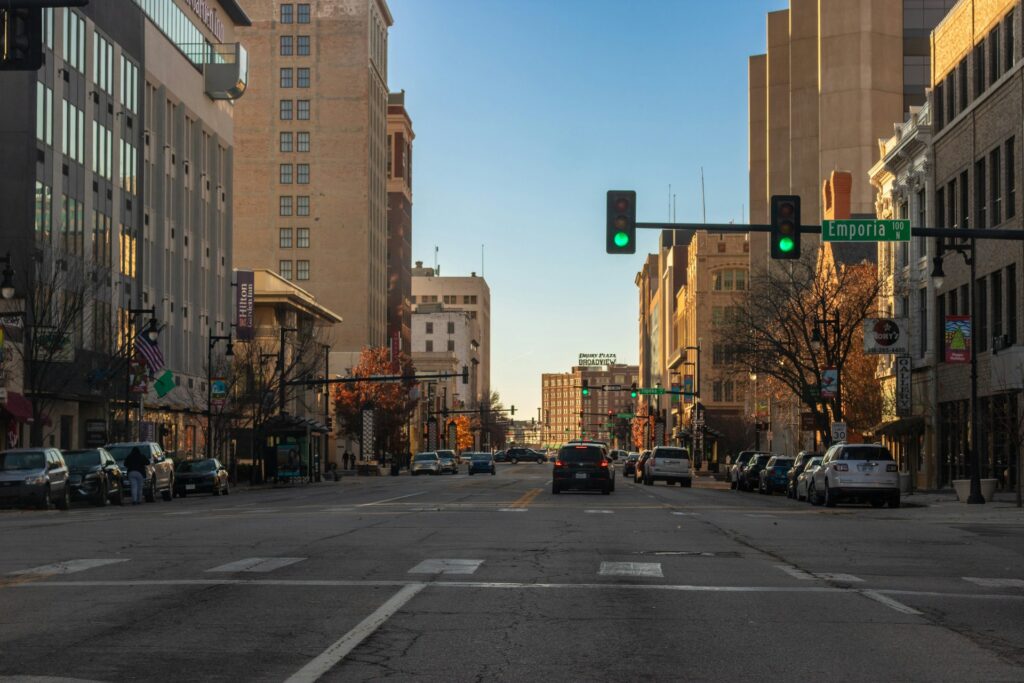
While Wichita is a global hub for high-tech aviation, it offers a surprisingly down-to-earth, affordable lifestyle. It boasts a vibrant arts scene for its size, including the Wichita Art Museum and Music Theater Wichita, as well as numerous parks and a family-friendly atmosphere. Many residents also love its distinct four seasons. It’s a place where strong career opportunities and friendly community spirit create a perfect balance for residents.
Key details:
At the Southern tip of Texas, Brownsville offers a unique blend of cutting-edge aerospace innovation, a rich bicultural heritage and extremely low living costs. It has a subtropical climate, ideal for those who dislike winter. Its unique U.S.-Mexico border culture, authentic cuisine and proximity to the Gulf Coast make it a one-of-a-kind destination.
Key details:
If you’re looking for the classic, small-town American feel with an incredibly low price tag, Enid is your answer. It has a four-season climate with hot summers and mild winters. This friendly Oklahoma community is built on agriculture and its deep connection to Vance Air Force Base. It’s also home to numerous parks, a symphony orchestra and community events like the Tristate Music festival.
Key details:

Nicknamed “The Rocket City,” Huntsville is one of the South’s most innovative cities, with deep ties to NASA and aerospace engineering. It has a humid subtropical climate and ample green space, including the Monte Sano State Park, which is perfect for hiking and camping. This city is a rare find where high-paying tech jobs coexist with a cost of living well below the national average.
Key details:
Nestled against Casper Mountain, this city offers a classic American West experience, blending rich oil and gas history with stunning outdoor recreation. Residents enjoy four seasons with easy access to hiking, skiing and fishing along the North Platte River. Casper provides a small-town community feel with the amenities of a larger urban center. It’s a rugged and scenic place to call home.
Key details:

Tucked in the Inland Northwest, Spokane offers a perfect blend of city life and natural beauty without the high price tag of other West Coast metros. A river runs through the heart of downtown, which features the iconic Riverfront Park. With a thriving arts scene, a growing food culture and access to dozens of lakes and mountains, it’s a haven for those who want urban amenities and outdoor adventure.
Key details:
A city famous for its resilience and rich industrial history, Johnston is an incredibly affordable option in the Northeast. Nestled in the Allegheny Mountains, it boasts a tight-knit community feel and historic architecture. The city is known for the Johnston Flood Museum and its unique Inclined Plane, which offer a glimpse of its past while providing residents with an exceptionally low cost of living.
Key details:
With its remarkable revitalization, Buffalo is a city rich in history, stunning architecture and a passionate community spirit. Known as the “City of Good Neighbors,” it boasts a vibrant waterfront, a world-class arts scene and a famous food culture. With four distinct seasons and proximity to Niagara Falls, it offers big-city amenities at a friendly, small-town price.
Key details:
Based on the data listed in the cost of living index for 2025, here are the regional average cost of living indexes for each region:
In the Midwest, affordability is driven by abundant and inexpensive land for housing. It has economies historically based in manufacturing and agriculture rather than and high-wage, high-cost sectors.
Meanwhile, the South has a traditionally low cost of living and low tax burdens. There’s also a trend of high population growth and corporate relocation, which is boosting costs in major hubs like Austin and Nashville. This helps other cities maintain affordability.
The Northeast and the West have high costs due to intense housing demand and economies driven by high-paying industries like tech and finance. Mountains, oceans and other geographic constraints on development also contribute to their significant price tags.
To choose the cheapest city for you, match the location with your lifestyle and demographic.
The most affordable cities for millennials and young professionals are Wichita, Huntsville and Buffalo. Wichita offers numerous career opportunities alongside a vibrant arts scene, while Huntsville is a magnet for STEM specialists due to its high concentration of engineering and aerospace jobs. Buffalo is drawing young people with its revitalized city center and affordable amenities.
Wichita and Brownsville are among the most affordable cities for remote workers. For those working from home, maximizing their savings is the ultimate goal. These cities offer some of the lowest housing costs in the nation, allowing home-based professionals to reduce their biggest expense and increase their savings rate.
Beyond their low cost of living, Wichita, Enid, Buffalo and Spokane offer key family-friendly benefits. Wichita has a reputation for safe neighborhoods and good schools, while Enid has a tight-knit community and top-tier attractions for children. Buffalo and Spokane both offer a great balance of activities for families, community and affordability.
Brownsville offers year-round warm weather and is in a state with no income tax. Another city that’s frequently cited as a top place to retire is Huntsville, due to its excellent health care systems, low property taxes and abundant recreational activities. For those prioritizing cities with the lowest cost of living, Johnston is an excellent choice.
Here’s a step-by-step financial tool to help you determine if a city falls within your budget.
For example, consider the question, “What salary do you need to live comfortably in Decatur?” Sarah, a graphic designer from San Diego, CA, wants to move there and earns $85,000/year.
Her housing costs could plummet from $2,800/month in San Diego to $800/month in Decatur for a similar apartment. This single change frees up an incredible $2,000/month in her budget. That’s an extra $24,000 per year that can be redirected to savings, travel or investments, dramatically accelerating her financial goals all without needing a raise.
Here are the answers to common questions about the best places to live on a budget in 2026.
The affordability of these cities typically depends on a combination of economic factors.
Many of the most affordable places to live in the U.S. are in the South and Midwest, such as Oklahoma, Mississippi, Kansas, Alabama and Missouri. However, cheap places to live are available nationwide. States like Wyoming, Pennsylvania and New York are home to cities with a cost of living well below the national average.
Between November 2024 and October 2025, violent crime decreased by 9.9% and property-related lawbreaking declined by 12%. However, “safe” is often subjective. While it can vary by neighborhood, many cities offer a great balance.
Cities in the Midwest and parts of the South and Northeast often rank well for safety and affordability. For example, many of the cities on this list, such as Huntsville and Wichita, boast crime rates near or below the national average.
Many low-cost-of-living areas have become hubs for specific high-growth industries. The key is to find a city with a strong job market that aligns with your career field.
Huntsville is ideal for those seeking high-paying engineering work, while Wichita is ideal for anyone in aviation and manufacturing. Similarly, Buffalo has become a hub for health care and research, and Spokane boasts a strong job market for health and life sciences.
Nearly every city on this list offers average rents well below the national average. Cities like Decatur, Wichita and Johnston stand out for having exceptionally low rental costs. You can typically find two-bedroom apartments in many of these locations for around $1,000 to $1,200 a month, which is unheard of in most major U.S. cities.
For many aspiring homeowners, now can be an excellent time to consider buying, especially in an affordable city. Local market conditions vary, but the national trend is currently giving buyers more leverage than they’ve had in recent years.
Experts predict the market will average around 4.6 months of supply. This means that purchasers may find less competition, have more room to negotiate prices and face less risk of sudden price hikes.
The “perfect” city is a balance between financial data and personal priorities, like career goals, family needs and desired lifestyle. After making a list of the cities that have what you’re looking for, calculate each one’s cost of living based on factors, like health care, utilities and housing. Dive into resources about each place to start your journey to a more affordable life.