


We are reader-supported. When you buy through links on our site, we may earn an affiliate commission.
You vacuum, you mop and you dust. But your baseboards are quietly collecting grime while you’re not looking. Whether staging a home, finishing a reno or just trying to keep your space looking sharp, cleaning baseboards is the secret weapon to that next-level clean. Luckily, this is the ultimate guide to get those babies looking brand-new without breaking your back.
Before you get down on your hands and knees — or ideally, find a way not to — ensure you’re armed with the right tools for the job. Some methods require only the basics, while others call for a few handy extras. Here’s a rundown of what to clean baseboards with.
Essentials:
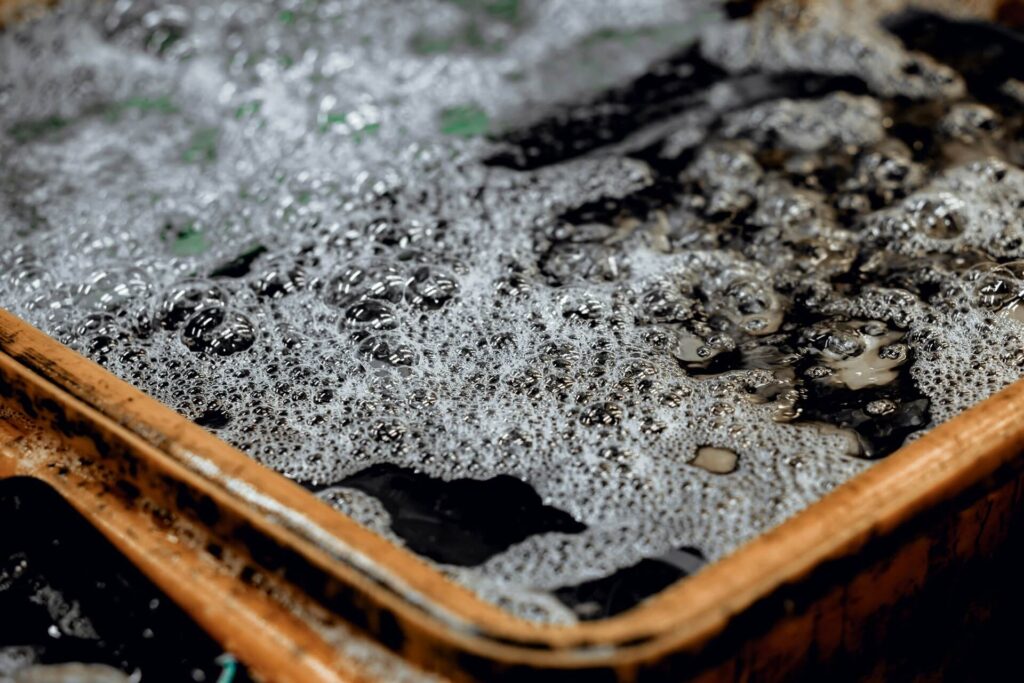
Optional, but handy:
Pro tip: don’t overbuy — many of these items are already hiding in your home. Mix and match based on the material and level of grime you’re dealing with for easy ways to clean baseboards.
Different baseboards call for different tactics. Whether you’re dealing with dusty buildup or years of ignored grime, there’s a method to match your mess. Below are three top ways to clean baseboards — ranked by ease, effectiveness and effort.
Cleaning baseboards isn’t rocket science, but a few common mistakes can mess with your results or even damage the material. Here’s what to keep in mind.
Do:
Don’t:
Remember to treat your baseboards like a delicate trim rather than a tiled floor.
Keeping your baseboards looking fresh isn’t a one-and-done deal — it’s all about timing. The general rule of thumb is to give them a good cleaning every one to two months if your home has low foot traffic and minimal dust. However, if you have pets, kids or live in a bustling household, bump that up to every two to three weeks.
Spring cleaning or prepping your home for a showing means deep cleaning. Don’t skip those often-neglected corners and scuff marks. One of the things that can make your house seem dirty — even if it isn’t — are grubby baseboards, so make sure they’re all clean before you show your home.
Homes with thorough cleaning — including detailed trim and baseboard care — can see an increase in resale value. Yep, a little elbow grease can pay off big.
Using the wrong cleaner on your baseboards can leave you with more damage than shine. Here’s how to tailor your approach by material:
For painted wood, use gentle soap and water with a microfiber washcloth. Avoid vinegar or harsh solvents that can strip paint or cause discoloration. If you have stained or varnished wood, use a wood cleaner like Murphy’s Oil Soap and make sure to wipe dry. Avoid soaking, as it can warp or crack the wood.
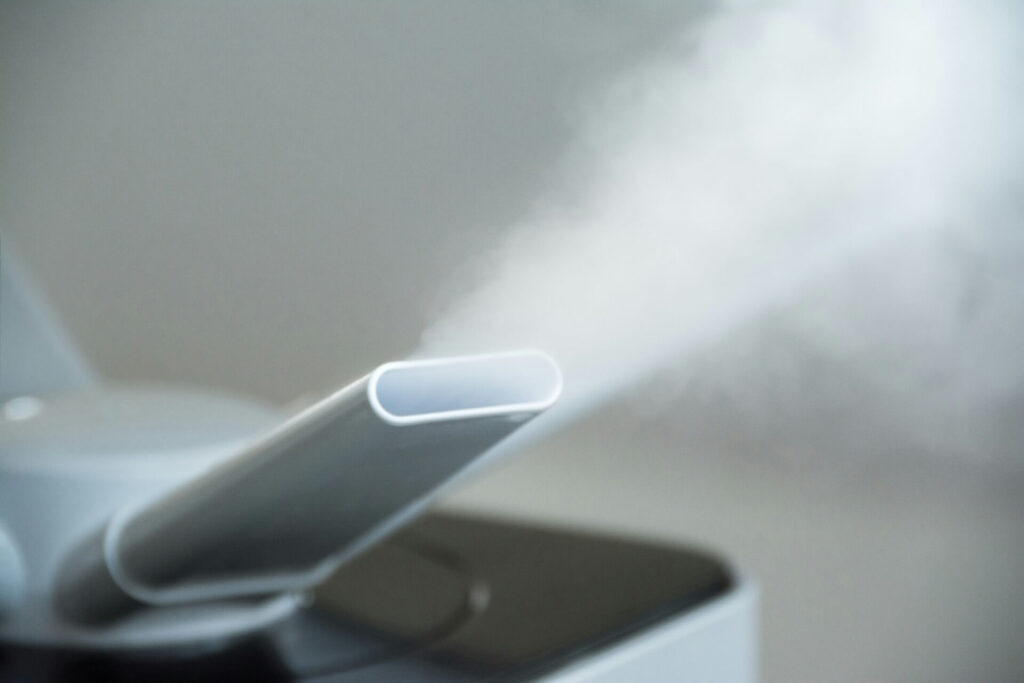
MDF is sensitive, so even though it can handle a little, avoid excess moisture in case it damages the material. Use a barely damp cloth with mild detergent and then dry it immediately. Most cleaners will work for vinyl or PVC, and you can even use steam mops if you’re careful to avoid excess water pooling.
Depending on your schedule and energy level, your baseboard cleaning might be a quick touch-up or a full-on deep dive. A quick fix is a five-minute tidy. Slip a microfiber cloth or an old sock over your hand and do a dry dust pass along all your visible boards. This is perfect for a last-minute touch-up before guests arrive or you show your house.
However, if you have more time and want to really ensure that everything looks spotless, take an extra 20 to 30 minutes and move your furniture for full access to your baseboards. Vacuum with a brush attachment to remove dust and pet hair. After that, wash them with soap and water. Spot-treat stubborn scuffs with a Magic Eraser or a vinegar solution. Finish with a dryer sheet swipe to repel dust and you’re done!
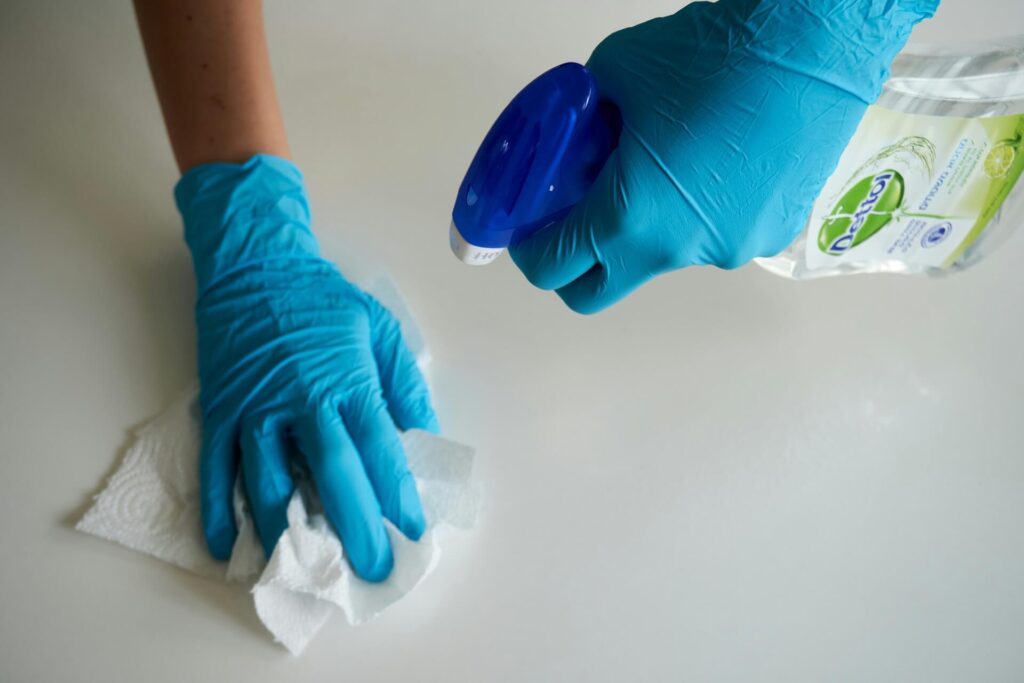
Deep cleaning is best scheduled seasonally, before open houses or when your baseboards look like they’ve been hiding dirt for a while. Now that you know how to clean floorboards, you’re one step closer to a spotless home.
A: Steam mops are great for vinyl or sealed baseboards but can damage wood or MDF by causing warping or peeling paint. When in doubt, stick to damp cloths and avoid excess moisture.
A: Wrap a microfiber cloth or sock around a broom or mop handle for an easy reach. Long-handled baseboard cleaning tools are also available to save your knees.
A: Use dryer sheets or anti-static sprays after cleaning to repel dust buildup. Regular floor cleaning also helps reduce the amount of dirt that migrates onto your baseboards.
A: For routine cleaning, DIY works fine. However, hiring pros can save you time and prevent further issues after major renovations or if baseboards are damaged or moldy.
A little baseboard love can make a big difference in how polished your home feels. Stick to the right methods, avoid the common mistakes and let your trim shine — your walls will thank you.
Meta Boxes
Use up and down arrow keys to resize the meta box pane.Move upMove downToggle panel: Yoast SEO