
We are reader-supported. When you buy through links on our site, we may earn an affiliate commission.
The first truly hot day of the year always feels like a test. You flip on the thermostat, wait for that familiar hum and hope cool air flows through the vents.
If your system hesitates, rattles or pushes out lukewarm air, you’re not alone. Proactive AC maintenance keeps that moment stress-free. It protects your comfort, health and budget.
This guide walks you through a complete air conditioner upkeep checklist, explains typical AC maintenance cost expectations and shows you how to keep your unit from working overtime when temperatures spike.
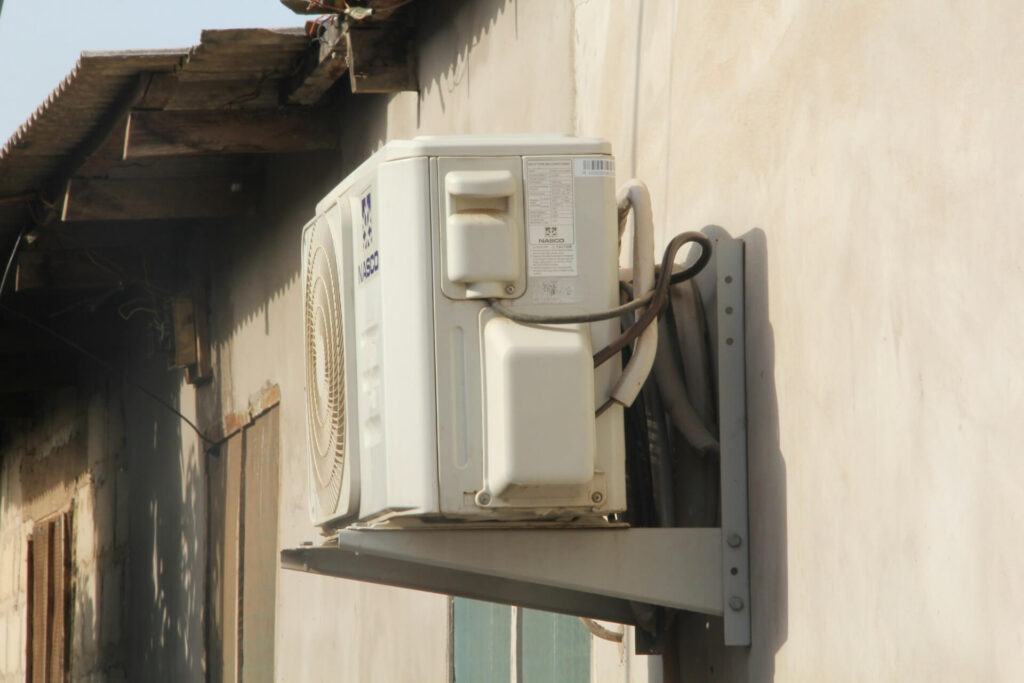
Air conditioning does more than cool your living room. It directly impacts your health and your home’s long-term value.
According to the EPA, Americans spend 90% of their time indoors, which can severely affect their respiratory health. That makes indoor air quality a daily health factor rather than a luxury.
When your system is overdue for cleaning, dust, mold spores and bacteria collect on coils and inside ductwork. Each time the system runs, it can circulate those particles through your home. Some HVAC professionals call this “disease recycling.”
A neglected unit may contribute to increased allergy symptoms, worsening asthma, headaches and fatigue. Musty odors from mold growth make your home smell bad.
Clean systems support better breathing and help regulate humidity, which reduces mold risk. The CDC also identifies air conditioning and cooling as protective factors against heat-related illness during extreme heat events, and it operates cooling centers in various states. A well-maintained system is comfortable, and it can protect vulnerable family members during heat waves.
A dirty filter or clogged coil forces your system to work harder. That increases energy use and shortens the equipment’s lifespan. Getting your home air conditioner serviced annually is an essential task, along with roof inspections and plumbing checks.
Routine service improves energy efficiency, lowers monthly utility bills, reduces the risk of emergency breakdowns, and extends the unit’s life.

Your system usually gives subtle warnings before a full breakdown.
| Signs Your AC Needs a Service | What to Look For |
| Warm air from vents | Even when the thermostat is set to low, the air remains warm. |
| Weak airflow | Rooms take longer to cool. |
| Unusual noises | Grinding, banging or buzzing sounds when you switch it on. |
| Musty smells | Possible mold in coils or ducts can produce a foul odor. |
| Rising energy bill | No lifestyle change, but you pay higher monthly utility costs. |
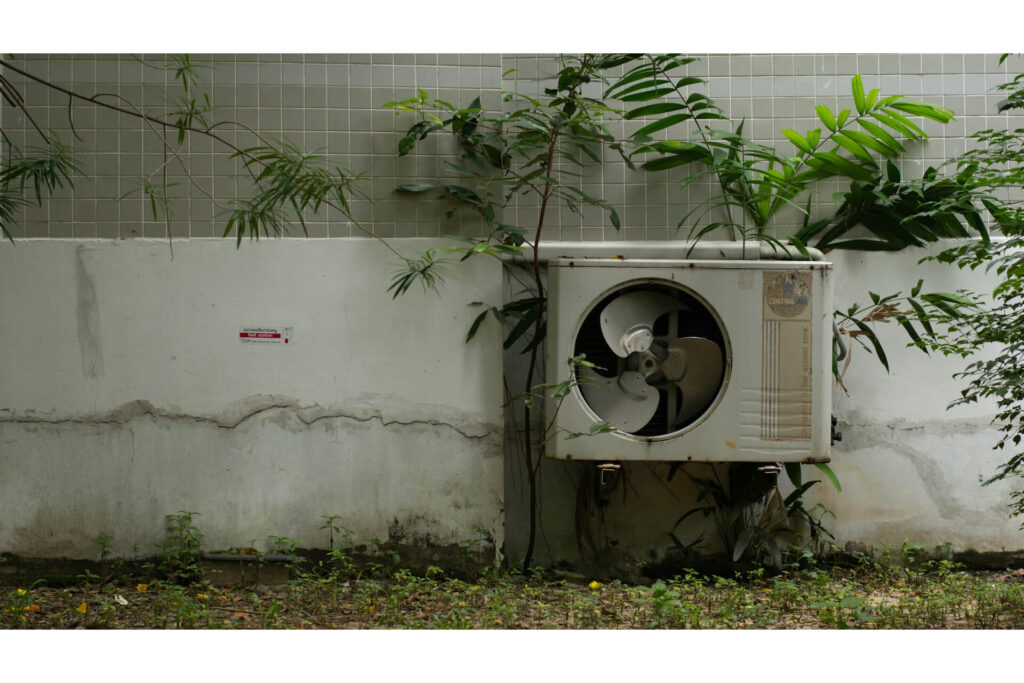
Use this seasonal checklist before peak summer heat hits for DIY tasks you can do this weekend. You don’t need any advanced tools for these steps.
Choosing the correct parts improves performance and air quality. Ensure you choose the appropriate size and consider the benefits of different materials, like these:
| Filter Material | Benefits |
| Fiberglass design | Affordable and disposable type. These trap particles but offer limited filtration. |
| Pleated unit | A grid-type filter is better at capturing dust, pollen and pet dander. It’s a strong choice for most homes and is affordably priced. |
| HEPA-type | High-efficiency particulate air (HEPA) models capture very small particles, including some bacteria. These may require system compatibility checks to ensure the AC motor can draw sufficient air through the 0.3-micron filter for efficient operation. |
Contractors and property managers should standardize filtration quality across units to maintain consistent performance. It also makes changing out spares easier when all the units in a building are the same make and model machine.
Use this guide to help you change an AC filter like a pro:
Some tasks require training and specialized tools. For instance, if your AC unit requires refrigerant refilling, you may not be able to purchase the appropriate chemical coolant, as you must have a 608 certificate, which is only issued to qualified and licensed technicians.
Schedule and annual tuneup that includes:
Understanding the potential expenses of servicing and maintaining your AC unit helps you budget responsibly. In the U.S., a standard professional service plan for the year will set you back $150-$300, with individual sessions outside a plan costing $60, depending on the repairs needed. Pricing will vary, depending on the system size, age, geographic location, service plan enrollment and additional repairs.
Annual service plans may reduce per-visit costs and provide priority scheduling during peak summer months. Emergency repairs, on the other hand, can cost significantly more than preventive visits. Viewing upkeep as an investment — not an expense — often prevents higher long-term costs.
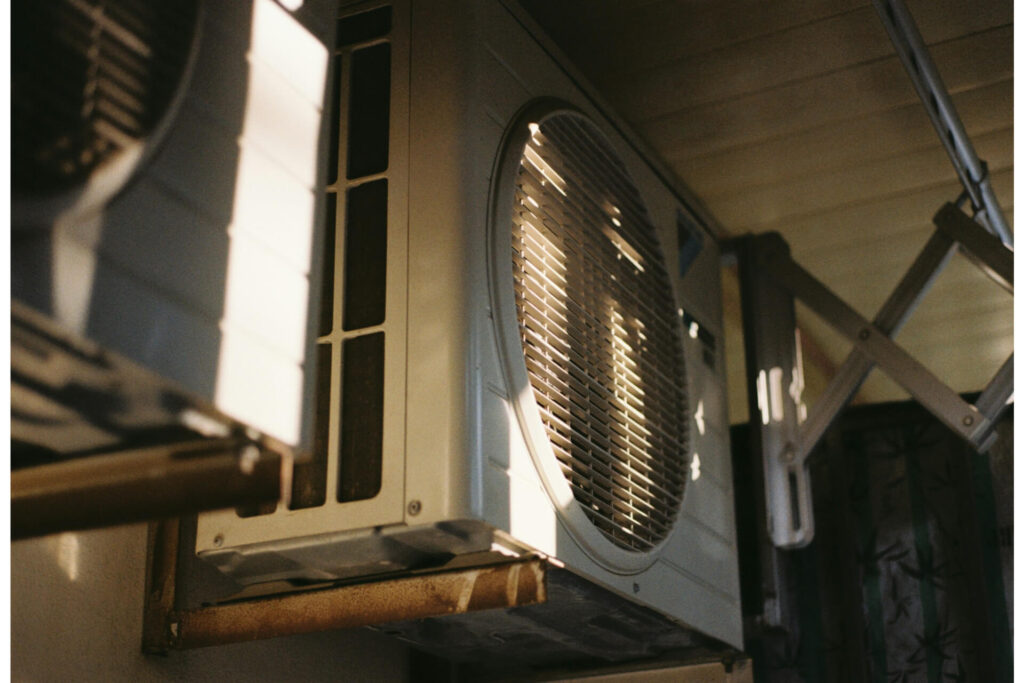
Your air conditioner will work overtime. With a few helpful habits, you can ensure it’s up to the task and doesn’t cause your utility bill to freeze. These small adjustments reduce system strain and help maintain consistent indoor temperatures. Extend your savings with a heat pump that complements your AC unit, pumping cold air from the ground and pushing warm air out during summer.
You can try the following:
Landlords usually handle major HVAC work. Review your lease to confirm scheduling duties. Report ventilation issues in writing as soon as you notice them. You may have to replace filters, depending on your contract.
Change standard units every three months. Homes with pets or high pollen exposure may require monthly changes during peak seasons.
Dirty systems can circulate mold spores, bacteria and allergens. Proper cleaning supports better indoor air quality and reduces respiratory irritation.
Extreme heat events are common across the U.S. Your air conditioner plays a central role in your comfort and safety. By following a consistent AC maintenance routine, your home will stay cool and fresh-smelling year-round.