We are reader-supported. When you buy through links on our site, we may earn an affiliate commission.
Wyoming has a slower pace of life with wide-open spaces. If you enjoy the Grand Tetons and a low cost of living, it may be the state for you. Before moving to the Cowboy State, it’s essential to understand the expenses. Here’s a full breakdown of the average cost of living in Wyoming.
Cost of Living Factors in Wyoming
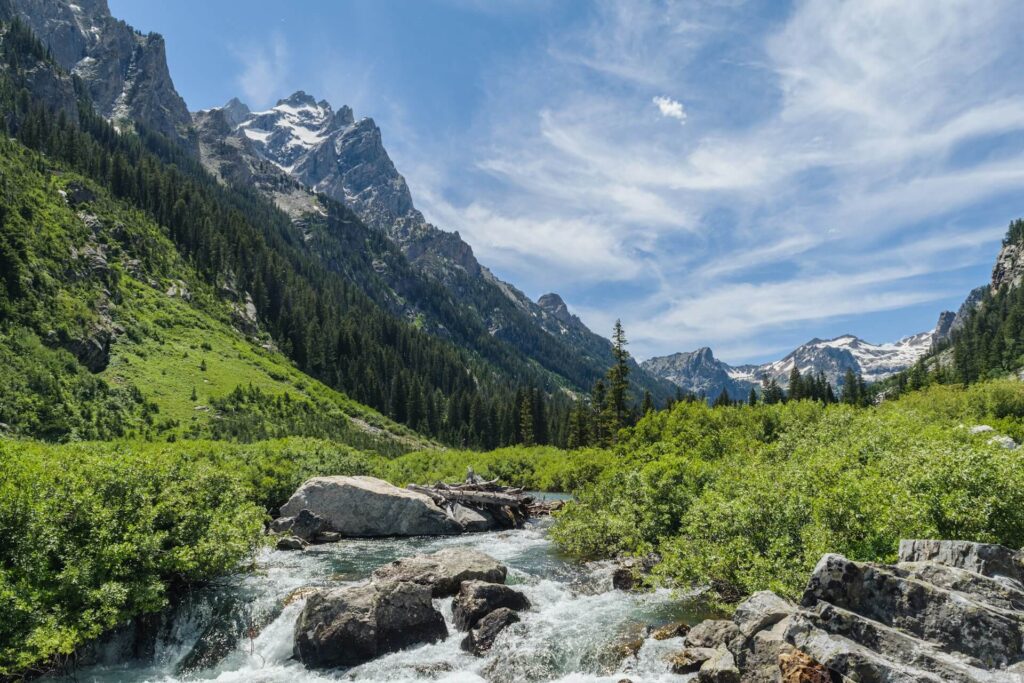
A practical, real-world understanding of Wyoming’s economic landscape is essential. Thoroughly researching each state should be the standard when deciding where to live and build the life you want. Here are six categories to consider when determining whether it aligns with your financial goals.
1. Housing
Wyoming is vast with plenty of room to roam. However, there are only a handful of major cities where people live. Therefore, housing prices might be higher than you think. A 2025 Bankrate analysis found that Wyoming ranked 20th among all states regarding real estate markets. The median home costs around $450,000, which is more expensive than in some Western states.
The cost of living in Wyoming increases due to wealthy buyers. These people want to live near natural beauty and recreational opportunities. Restricted development in places like Jackson Hole drives up prices due to the scarcity. If you want a more affordable home, you may need to prioritize more rural areas.
2. Food
Your grocery bill in any state depends on your family size and lifestyle. Wyoming has relatively low food prices, costing about $254 per household per week. This bill falls slightly under the national average of $270.21. Residents in neighboring states — such as Colorado, Utah and South Dakota — pay more for groceries.
Residents benefit from the state’s absence of sales tax on groceries. If you buy non-prepared food, you save a little money. However, restaurant food and hot items at the market may have levies tacked on. Be mindful that if you live in affluent areas, the cost of living in these Wyoming cities affects grocery prices.
3. Transportation
Wyoming lacks large metro areas, so public transportation is minimal. You can use bus services in Cheyenne, Casper and Sheridan, though none have a rail system. There’s also no Amtrak service in the state, which further increases car dependence. You’ll need a sedan, truck or SUV to get around town, whether going to work or shopping.
Car ownership can be cheaper in Wyoming compared to other states. A Forbes analysis said auto insurance costs about $1,720 annually in the Cowboy State. However, it’s essential to consider the total cost of ownership for your car. You’ll be driving it more, so you may have to replace it sooner.
4. Utilities
Utilities are generally in line with the affordable cost of living in Wyoming. Residents pay about 13.91 cents per kilowatt-hour, which is cheaper than most of its neighbors. However, energy costs have risen in the past few years. For instance, homeowners paid 8.3% more on their electric bills in 2025 than in 2024.
While electricity costs are low, you can expect higher bills in the winter. Wyoming is among the top snow states due to its high elevation. Freezing temperatures are typical from November through April, especially in mountainous regions. Residents keep themselves warm with furnaces, heavy insulation and space heaters.
5. Health Care
Health care significantly affects the cost of living in Wyoming, as it’s expensive. A recent analysis said residents are paying 25% more in 2026 due to expiring Affordable Care Act subsidies. Now, the average monthly premium is $1,119. Only Vermont residents pay more, making Wyoming the second-most expensive nationwide.
Health care in Wyoming is another classic case of supply and demand. The vast geography means there are only a few providers in the state. Insurers and providers can keep costs high, considering the state is unlikely to welcome competitors anytime soon. While the state has Medicaid, it’s challenging for people to qualify.
6. Taxes
Wyoming is a tax haven, so it attracts people nationwide. The Cowboy State has no individual income tax, so the federal levy is the only one you have to pay. The absence of corporate income tax has benefited large companies like Taco John’s and Sierra Trading Post. While you save money on your paycheck, that money may have to go toward health care costs.
The Tax Foundation ranks Wyoming as the most competitive state nationwide due to its low cost of living. Besides income tax, it’s essential to think about the long term. For example, the state has no estate or inheritance tax. It may be a wise financial decision to retire in Wyoming due to this advantage.
What Is the Average Cost of Living in Wyoming Cities?
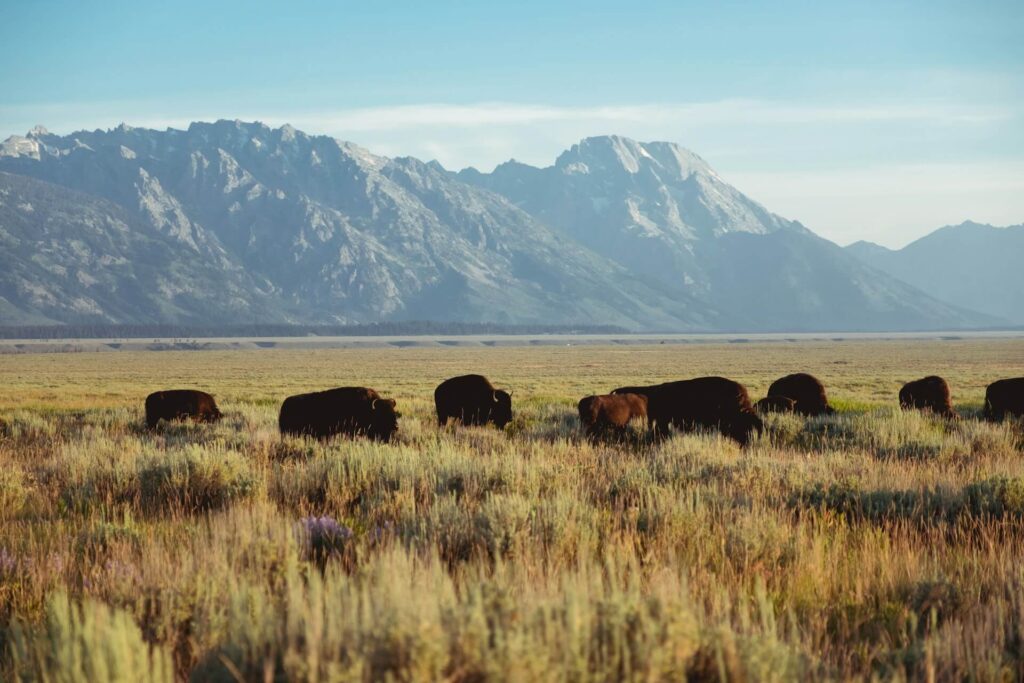
Wyoming has plenty of small towns across its rectangular shape. However, many residents are concentrated in a handful of cities. Here are a few cities and how much it costs to afford their cost of living.
Cheyenne
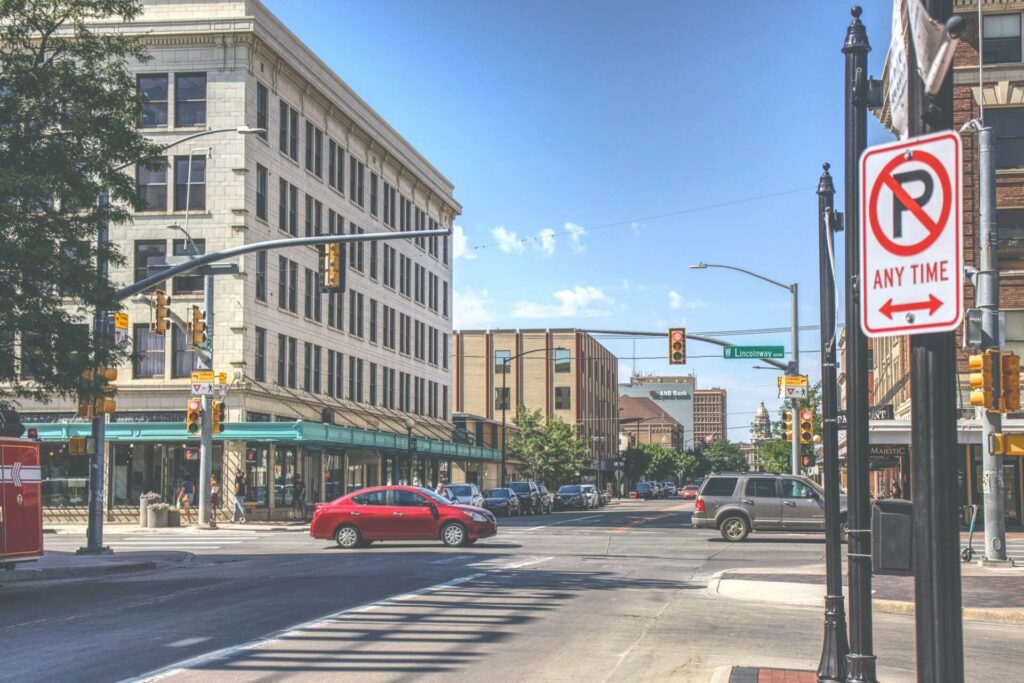
The state capital is generally affordable, depending on your lifestyle and monthly bills. A modest life can make living more attainable for young adults and seniors. MIT’s Living Wage Calculator estimates an hourly wage of $20.77 to live adequately in Laramie County.
Laramie
Laramie is a short drive from Cheyenne and is slightly more affordable. Residents earn at least $19.57 per hour to live comfortably in this Wyoming city. It’s a college town, so plenty of students come here for their secondary education.
Jackson Hole
Jackson Hole is about 20% more expensive than Cheyenne, requiring an hourly wage of $25.57 for a single adult. The town is located near Grand Teton National Park, so much of it is federally protected. The people who live here own million-dollar homes due to their proximity to nature.
Casper
Casper is in Natrona County, and the cost of living is similar to staying in Wyoming’s capital city. The living wage is $20.45 per hour for a single adult with no children. A two-parent household with two kids means each adult must make at least $24.85 per hour.
Gauging the Cost of Living in Wyoming
Your financial situation determines whether you can live in the Cowboy State. Wyoming’s minimum wage is $7.25, which aligns with federal standards. You’ll need to make much more than that to afford hotspots like Jackson Hole. However, Cheyenne and Laramie offer more affordable ways of life. Be wary of health care premiums before you consider living in the state.
About The Author
Peter is an associate editor for Renovated with over 5 years of experience writing in the home improvement and real estate sectors. He grew up learning woodworking and DIY skills from his grandfather, giving him a unique perspective on home renovation and maintenance. His personal interest in business has also led to him becoming a well-informed voice in the real estate world. He specializes in offering insightful, practical advice to new homeowners, guiding them on how to maximize their ROI.
When Peter has downtime, you'll find him at the top of a mountain, enjoying a scenic view. He also spends a lot of time cultivating his vegetable garden and tinkering in his woodshop.