We are reader-supported. When you buy through links on our site, we may earn an affiliate commission.
Rodents are both a nuisance and a health hazard that can turn your home upside down fast. If you’re dealing with rats or mice and wondering how long a landlord legally has to fix the issue, you’re in the right place. Here’s exactly what you can expect, what your rights are and how you can solve the problem quickly.
Who’s Responsible for Pest Control?
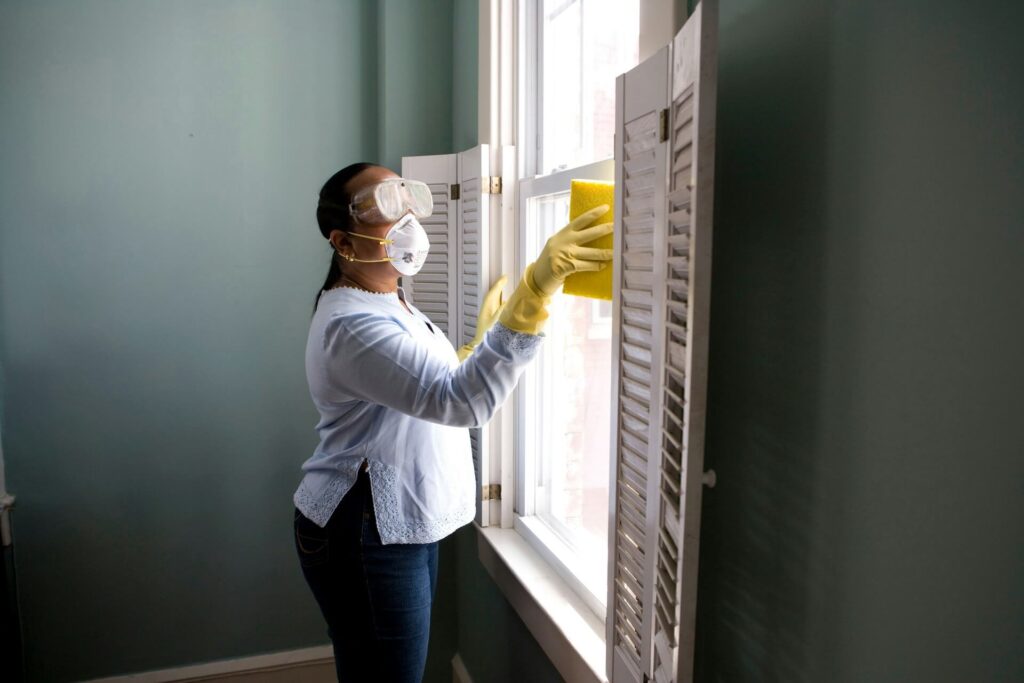
Pest infestations, from rodents to cockroaches, are unpleasant and a direct threat to your health and safety. That’s why most rental laws clearly state that landlords are responsible for providing a habitable home, which includes keeping the property free from pests. In most cases, this means that your landlord must address any pest control promptly. This is especially if the building itself caused the infestation or affects multiple units.
Tenants may carry some responsibility, but only in very specific situations. If the infestation can be linked to poor sanitation practices, such as leaving food out, failing to dispose of trash or neglecting to maintain reasonable cleanliness, a landlord may argue that the tenant contributed to the issue. However, even then, many regions still require the landlord to coordinate professional treatment and bill the tenant afterward, meaning the landlord still has to step in.
If you’re unsure where your situation falls, start by reviewing your lease and local housing codes to determine the applicable regulations. Understanding who is responsible for pest control when renting helps you set expectations and communicate clearly with your landlord.
How Long Does a Landlord Have to Fix a Rodent Problem?
Most areas follow a “reasonable time frame” standard, which may sound vague, but in practice, it typically means that your landlord should respond within 24–48 hours and take meaningful action within three to seven days.
Rodent infestations are considered urgent because rats and mice can spread bacteria, chew through electrical wiring and cause thousands of dollars in property damage when left untreated. A rat’s teeth can grow up to five inches per year, which is why they constantly gnaw on materials like electrical wiring, drywall and even pipes.
Timelines can vary depending on your location, the severity of the infestation and the availability of rodent pest control professionals. A pest control team can often be address a mild mouse issue within a few days, while a major problem in a multi-unit building may take longer and require multiple treatments. Regardless of the severity, your landlord is expected to act promptly to protect your health, safety and living conditions.
If the situation is ignored or repeatedly delayed, it can be classified as a habitability violation, giving you more leverage in the steps ahead.
Legal Standards by Region
Rodent control laws can vary widely depending on your location, but the underlying principle is consistent. Landlords must maintain safe, livable housing. Here’s a quick breakdown of how different regions define the timeline for addressing infestations, including the popular search regions you want to target.
United States
Most states require landlords to resolve pest issues “promptly,” which typically means fixing the underlying problem within about seven days for urgent repairs. Some states have even faster timelines when health hazards are involved.
California
Many tenants wonder how long a landlord has to fix a rodent problem in California. The general expectation is a reasonable time frame, often interpreted as three to seven days after notice. California’s strict habitability laws mean landlords must act quickly, especially if the infestation affects multiple units.
Virginia
In Virginia, landlords must “promptly” address conditions that pose health or safety risks. A rodent problem falls under this category, so treatment must begin within a reasonable period, typically a few days.
Ontario
Ontario law requires landlords to maintain a pest-free environment. Once notified, they must take action as soon as possible, again, usually within a few days. Tenants cannot be penalized for reporting infestations.
Other Key Regions to Mention
New York: Landlords must take immediate action to address health-related hazards.
Texas: Issues must be addressed within a “reasonable” window, often within the week.
Florida: Landlords are responsible for pest control in most multi-unit buildings.
These laws vary, but the theme remains the same: if rodents are impacting your health or comfort, your landlord has a legal obligation to take swift action.
What You Should Do If Your Landlord Isn’t Responding
Even when laws clearly state landlords must act, some tenants find themselves waiting longer than they should. If your landlord isn’t responding promptly, there are clear steps you can take to protect yourself:
- Document everything. Take photos of droppings, gnaw marks or nests. Keep a log of when you first reported the issue and save any communication with your landlord. This documentation is crucial if you need to escalate the issue later.
- Send a written request. A polite but firm email or letter stating the problem, your timeline expectation and your understanding of local tenant laws often prompts faster action.
- Follow local timelines. Some regions allow tenants to contact housing authorities if repairs aren’t made within a set number of days. Check your state or province’s housing code for specific time frames.
- Escalate if needed. If the landlord ignores your written notice, local health departments or tenant advocacy organizations can intervene, especially for severe rodent infestations.
Taking these steps ensures you’re covered legally while keeping your living space safe.
Can You Withhold Rent or Sue for a Rat Infestation?

In extreme cases, tenants may wonder whether they can withhold rent or pursue legal action. The answer depends on where you live and how your landlord handles the issue.
Withholding rent: In some states or provinces, tenants may legally withhold rent if the property is uninhabitable and the landlord fails to act after proper notice. However, withholding rent without following the correct legal process can backfire, so always consult your local housing authority or legal advice first.
Constructive eviction: If the infestation is severe enough that your home is unsafe to live in, you may have grounds to terminate your lease and move out without penalty.
Suing your landlord: You can sue for damages caused by rodent infestations, including property damage, medical bills or reduced quality of life. Keep detailed records of expenses, communication and photos.
How to Prevent Rodent Issues While You Wait for Repairs
While you’re waiting for professional pest control, there are steps you can take to limit rodent activity and protect your home:
Seal food and waste: Keep all food in airtight containers and take out garbage regularly to remove attractants.
Block entry points: Check for small holes around doors, windows and pipes. If you turn to temporary measures, such as steel wool or caulk, you can slow rodents until a professional completes the repairs.
Maintain cleanliness: Regularly vacuum, sweep and wipe down surfaces, focusing on kitchens and areas where crumbs or food particles tend to accumulate.
Use traps safely: Snap or electric traps can help reduce rodent populations, but avoid using poison indoors, especially if pets or children are present.
It’s best to avoid using poisons indoors, especially if pets or children are present, as many can be toxic if accidentally ingested. Professional exterminators often use chemicals that are banned for residential use due to these risks.
If you do consider poisons, products containing bromethalin are generally recommended for household use and are designed to be a quicker, no-mess solution. However, traps remain a safer first-line defense while you wait for professional help.
These steps don’t replace professional pest control, but they help minimize risk and make the home safer for everyone while the landlord addresses the problem.
FAQ: Laws by State, Province and Common Tenant Questions
How long does a landlord have to fix a rodent problem in California?
In California, landlords must act within a “reasonable time frame,” usually three to seven days after receiving notice. Severe infestations affecting multiple units may require faster action.
How long does a landlord have to fix a rodent problem in Virginia?
Virginia law mandates landlords address health or safety hazards promptly. While the law doesn’t specify an exact time frame, a few days to a week is generally considered reasonable.
How long does a landlord have to fix a rodent problem in Ontario?
Ontario landlords are required to maintain a pest-free environment. Once notified, action should begin immediately, typically within a few days, depending on the severity of the infestation.
What if multiple tenants have the same issue?
Landlords are responsible for treating all affected units, especially in multifamily buildings. Coordinating simultaneous treatment ensures the problem doesn’t return.
What if the landlord blames tenant cleanliness?
Even if the tenant’s habits contribute, landlords typically must arrange professional pest control. You may be billed later, but ignoring the infestation is not an option.
Don’t Let Rats Call the Shots

Rodents may be sneaky, but you don’t have to be powerless. Knowing your rights, documenting the problem and acting promptly gives you the leverage to resolve the issue quickly. Whether it’s professional pest control, legal recourse or temporary prevention measures, taking the right steps ensures your home stays safe and comfortable. Remember that in the battle against rats, knowledge and action are your best traps.
About The Author
Evelyn is the founder and editor-in-chief of Renovated with over 5 years of experience immersed in researching and writing on interior design, construction, and renovation. She is a passionate advocate for improving mental health and safety in the construction industry. When she's not writing, you can find her reading at coffee shops around PA.
Her insights have resonated far beyond Renovated, gracing publications like the National Association of Realtors, Construction Executive, Fieldwire, DecorMatters, and Renewable Energy Magazine.
For more sharp takes on design, construction, and everything in between, you can check out Evelyn's portfolio, https://evelynlong.com/.