
We are reader-supported. When you buy through links on our site, we may earn an affiliate commission.
I start to feel it every year once the winter starts to rear its head. I’m hitting snooze more often, skipping my morning walk and wondering why 4 p.m. feels like bedtime. The darker months can throw off your energy, sleep and motivation, but your home is one place where you can make the season feel less heavy. Learn how to help seasonal depression through home design.
Where you spend your time indoors and how much natural light you receive can affect your mood. Research published in Nature suggests that bright light during the day, paired with dim light in the evening, is associated with a lower risk of depression over time.
Seasonal depression specifically tends to show up with a weaker daily light-dark rhythm and a body clock that runs later than it should. Changes in your home’s lighting can help nudge that rhythm back into balance and give you a natural mood boost as the seasons change.
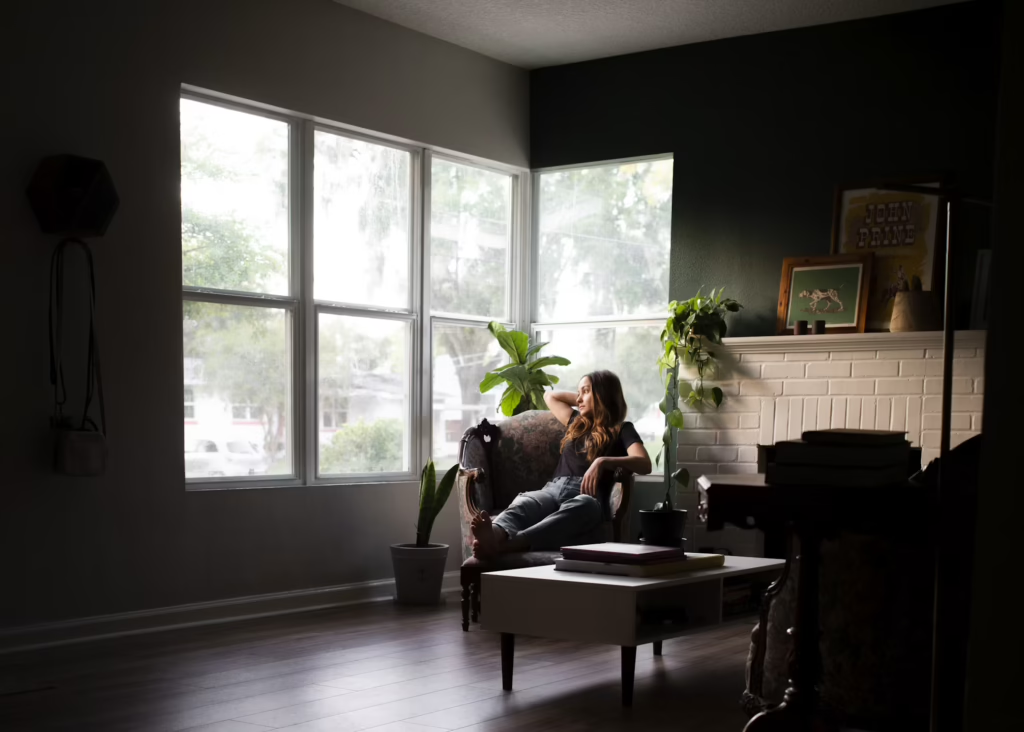
Before buying anything new, look at what’s already blocking the daylight in your space. A few small fixes can make a room feel brighter within minutes:
If dark mornings make you feel depressed, a light therapy lamp may be worth asking your doctor about. According to a 2025 systematic review and meta-analysis published in Psychiatry Research Communications, light therapy can lead to a statistically significant reduction in Seasonal Affective Disorder symptoms after two weeks of consistent use. While it’s not a cure-all, it can be a useful add-on when regular daylight isn’t as frequent.
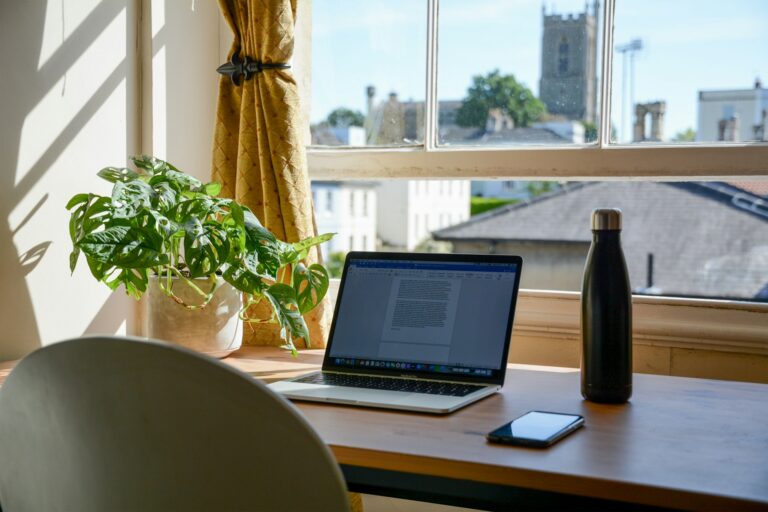
Bringing a little of the outdoors into your home with biophilic design is another low-cost way to support your mood through the darker months. Daylight exposure supports circadian rhythm regulation, comfort and productivity, and houseplants are among the easiest ways to bring in a more natural feeling. A few low-maintenance options include:
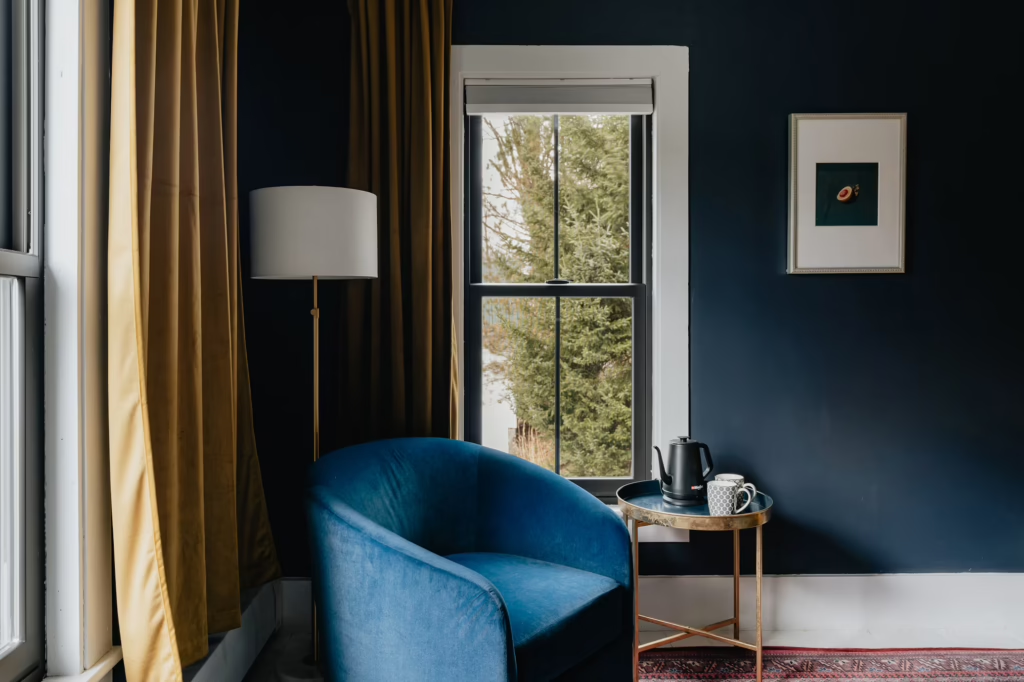
The colors around you can change how you feel, and you may not even realize that’s happening. If you’re choosing paint, bedding or decor, know that blues and greens lower perceived stress, making them good choices for a bedroom or reading nook.
Warmer, highly saturated tones can also energize a space, though they may feel overstimulating in large doses. When redecorating, start with neutral walls, then add one or two accent colors you love. You can always swap a throw pillow or lamp if the mood isn’t quite right.
Clutter can add to your mental load, even when a room only looks a little messy. In fact, clutter stresses out 55% of Americans, and that figure climbs when energy and motivation are already running low. Start small instead of trying to fix the whole house at once:
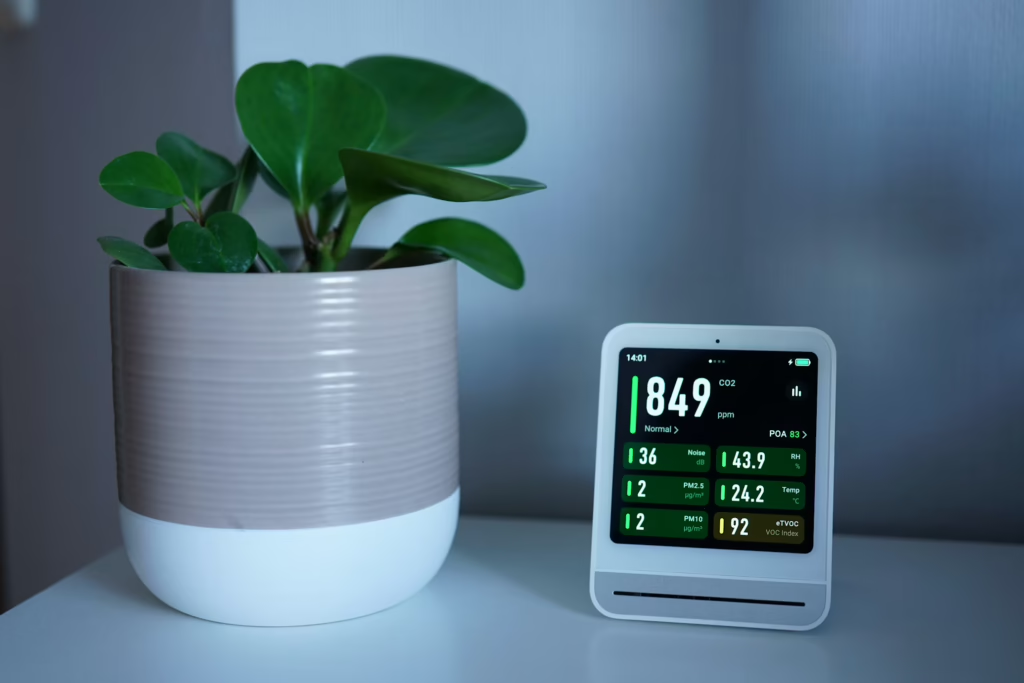
According to the EPA, people spend up to 90% of their time indoors, especially during colder months, making it worthwhile to improve indoor air quality. For instance, asthma affects 25 million Americans, including nearly 5 million children.
Opening a window for a few minutes can refresh stale winter air, and a HEPA filter can help reduce airborne particles indoors. Air quality can influence well-being and mental health, making it an important consideration for fighting seasonal depression at home.
I’ve learned that a few small changes are enough to help me feel better when the days get shorter. It can be the same for you. Pick one tip, whether it’s opening your blinds wider or adding a plant to your desk, and try it this week. A little brightness goes a long way.