

We are reader-supported. When you buy through links on our site, we may earn an affiliate commission.
You probably know the feeling of the 2 p.m. slump. It’s that time when, after a productive morning, a mental fog descends and focus shatters. This pattern was my daily reality. I had the comfy chair and fast Wi-Fi, but I was drained by mid-afternoon. I blamed my sleep, my coffee and everything else except my surroundings.
It was only after reading about the neuroscience of home office design that my “Aha!” moment arrived. I realized that I wasn’t lazy or unfocused — the state of my own office simply overloaded my brain. I finally discovered how to stay focused while working from home.
My deep dive into staying focused while working from home started with a simple yet powerful concept. Our brains are constantly processing our environment, with every single object, sound and light source requiring a slice of our mental energy. A poorly designed workspace can force your brain into cognitive overdrive before you’ve even opened your laptop.
According to Psychology Today, hitting that 2 p.m. brick wall is all a matter of cognitive load. A cluttered office desk or a chaotic backdrop is more than just visually unappealing — it bombards your brain with stimuli it has to ignore and drains your capacity for deep work.
To make matters worse, Phys.org reports that our brains have to work significantly harder to filter out distractions in open-plan offices than in enclosed pods. If you’re working from home, this means every sound from the kitchen or glimpse of an unmade bed or a moving family member forces our brains to fight an invisible battle to stay on task.
Brain drain isn’t prompted by a lack of willpower but by genuine cognitive exhaustion. That drained, foggy feeling at 2 p.m. is a distress signal from a brain that has been running a marathon of silent processing all morning.
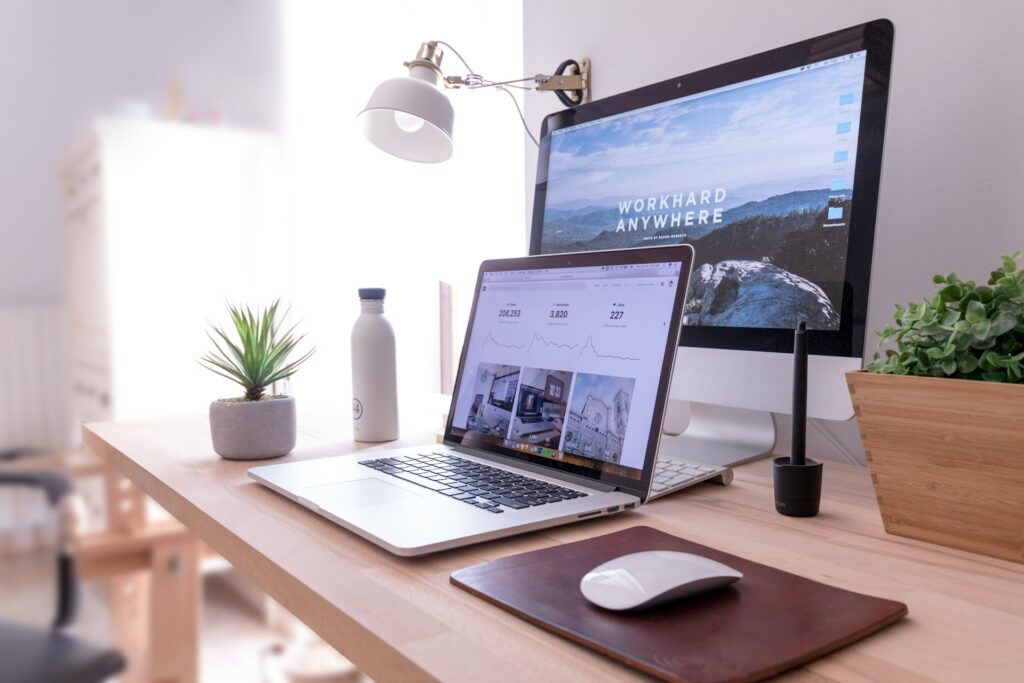
The first and most impactful change I made was to create a clear physical boundary between my work and the rest of my life. My old setup at the kitchen table sent my brain mixed signals as it was a place for eating, family chats and reaching work deadlines. Neurologically, this meant my brain was always “switched on” between work and rest, leaving me in a state of perpetual semi-focus.
I decided to reclaim a corner of our guest room, transforming it into a dedicated workspace. If you don’t have a ready-made office, you might be surprised how easily you can convert a room like a loft into a functional workspace or get creative by changing a small spare room into a cozy home office.
The effect my change had was profound. Now, stepping into my “focus zone” sends a cue to my brain that it’s time to concentrate. More importantly, when I physically leave the space at the end of the workday, my brain receives the signal that work is over. This simple act has been the biggest factor in helping me reclaim my evenings.
With my focus zone established, the next challenge was making the space itself less demanding on my brain. This meant reducing my cognitive load and calming the sensory environment by tackling the three biggest offenders in any office — visual clutter, lighting and sound.
Rocky Mountain College of Art + Design details how clutter impacts mood, stress and cognition in various ways, including limiting your brain’s ability to process. A messy desk creates constant visual “noise” that your brain must work to ignore. Every stray paper and tangled cord is a small distraction that drains your mental battery.
My solution was twofold. First, I implemented a strict “clear desk” policy, ensuring everything was put away at the end of the day. Second, I invested in smart storage, with drawers and covered boxes hiding my necessary clutter. Adopting this minimalist aesthetic made my office look better, but it also gave my brain a quiet visual field to operate in.
Our bodies are wired to respond to natural light, which helps regulate our energy and sleep cycles. My old setup was in a dark corner. Part of my solution was to move my desk to face a window. The influx of daylight was immediately energizing.
I also incorporated biophilic design by adding a few low-maintenance plants. Having the greenery in my line of sight has a restorative effect, offering my brain a “micro-break” and reducing stress every time I look up from my screen.
Not all sound is created equal. The unpredictable noise of a delivery truck or a barking dog can be highly distracting, forcing your brain to switch focus. However, consistent, low-level ambient sound can aid concentration levels. To regain control over my soundscape, I started using noise-canceling headphones that block out jarring external noises, creating a bubble of silence.
When silence feels too stark, I use a white noise machine to create a steady, non-distracting auditory environment. This consistent soundscape signals my brain that it’s time to focus. Work is easier without any sudden interruptions to break my flow.

Since making the changes, the results have been nothing short of incredible. The 2 p.m. slump that defined my afternoons is gone, replaced by a sustained focus that lasts until I clock out. I have more energy, and my work is better for it.
Remember, these weren’t just aesthetic upgrades but targeted interventions based on brain science. Every change was a deliberate choice to create an environment that positively impacted my mind. In our modern era, being intentional about our work-from-home office setup is a powerful way to improve both productivity and well-being.
Replacing that 2 p.m. wave of exhaustion with sustained focus and more energy for family activities after work, you’ll realize the solution wasn’t about working harder, but creating an environment that works with your brain.
That daily afternoon drain may feel less inevitable when you try one change from this list at a time. Add a plant, clear your desk or change your lighting. See for yourself how these small, intentional changes can help you reclaim your entire workday.