

We are reader-supported. When you buy through links on our site, we may earn an affiliate commission.
We are reader-supported. When you buy through links on our site, we may earn an affiliate commission.
For decades, buying a home often meant thinking about the next five or 10 years. Today, more buyers are challenging that model. Instead of treating a house as a temporary stop, they’re designing homes intended to remain comfortable, functional and desirable for decades. This “forever home” approach combines timeless aesthetics with flexible layouts, durable materials and features that can support changing lifestyles, mobility and family needs.
A forever home is a property designed with the long term in mind. Rather than focusing exclusively on what a household needs today, buyers consider how the home could function as children grow up, careers change, relatives visit and residents eventually age.
That doesn’t necessarily mean building a house specifically for retirement. In fact, the most successful forever homes tend to incorporate adaptable features that feel useful at every stage of life. Wider doorways, better lighting, a bedroom and full bathroom on the main level, flexible rooms and low-maintenance materials that can benefit a young family just as much as an older couple.
The idea also goes beyond physical accessibility. A true forever home should accommodate changes in lifestyle without requiring a complete renovation every few years. A spare bedroom might become a nursery, home office or guest suite. A bonus room could transition from a children’s playroom into a media room or hobby space. Flexibility is part of the design.
The appeal of staying put is easy to understand. Moving is expensive, disruptive and emotionally demanding, while a well-designed home can evolve alongside its occupants.
There’s a growing awareness of aging in place. A 2026 AARP survey found that 68% of Americans aged 50 and older consider universal design features important, while 59% believe these features should be standard in newly built homes. Wider doorways and hallways, nonslip flooring and step-free showers ranked among the features respondents valued most.
Recent research published in the Journal of Housing and the Built Environment similarly highlights the importance of adaptable, accessible homes, including step-free entrances, wider doorways, nonslip surfaces and smart-home technology that can support independence as needs change.
This shift is changing the definition of a desirable home. Accessibility is no longer something that has to look clinical or be added after a mobility problem develops. Increasingly, it’s being incorporated into attractive residential design from the beginning.

One of the biggest advantages of a forever home is its ability to accommodate different household configurations. A couple might initially need only two bedrooms and an office. Several years later, they would need additional bedrooms for children, a playroom or more outdoor space. Later still, those same rooms might become guest bedrooms, creative studios or spaces for visiting grandchildren.
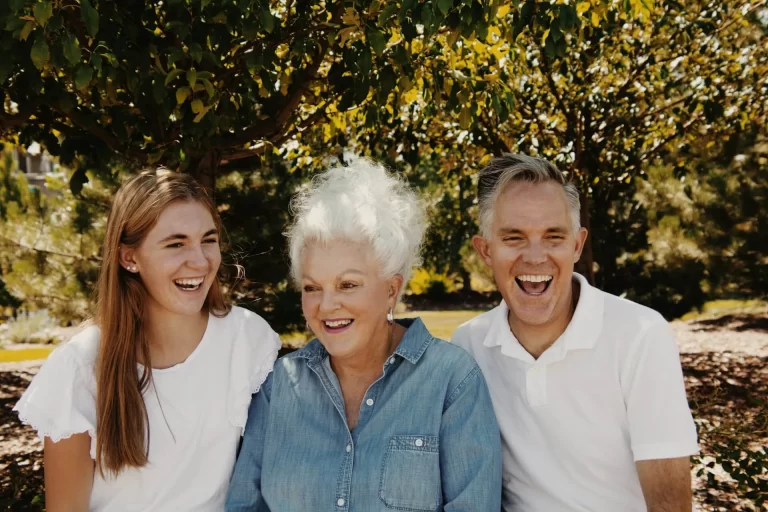
Multigenerational living can also influence the design. A separate entrance, private bedroom suite or flexible lower-level space can provide privacy for an aging parent or adult child without requiring everyone to share the same living areas.
Rather than assigning every room a single permanent purpose, buyers are increasingly thinking about how spaces can evolve. This can make a home more useful for longer while reducing the pressure to move whenever circumstances change.
Universal design is one of the most important principles behind the forever-home movement. Its goal is to create spaces that work well for people of different ages and abilities without making the home feel specialized.
Simple choices can have a significant impact, including:
The benefit is that these features can be almost invisible until they’re needed. For example, a step-free shower is convenient for a young parent bathing a child and may later become important for someone with reduced mobility.

The floor plan may be even more important than individual features. Open-plan living remains popular, but forever-home design doesn’t necessarily mean removing every wall. Instead, buyers are looking for layouts that provide a useful balance between connection and separation.
A kitchen that opens toward a family room can make entertaining easier, while a nearby room with a door can serve as an office when privacy is needed. A main-floor bedroom might function as a guest suite today and become a primary bedroom later. Even plumbing locations can be planned strategically so bathrooms or laundry areas can be modified more easily in the future.
Flexible design reduces the need for major structural changes. That can save money and minimize disruption when the household’s needs eventually change.
A forever home should be built to last. That doesn’t mean every surface needs to be expensive. It means buyers are increasingly considering how materials will perform after years of daily use. Durable flooring, quality cabinetry, resilient countertops, well-built windows and reliable fixtures can make more sense than inexpensive finishes that need to be replaced every few years.
The aesthetic matters, too. Highly specific trends can quickly make a house feel dated, while classic materials and architectural details tend to have greater staying power. Current design commentary on the forever-home concept emphasizes timeless materials such as natural stone and traditional woods alongside personalized details.

A beautiful home can’t compensate for a location that becomes impractical. Buyers planning to stay for decades should consider proximity to healthcare, grocery stores, schools, public transport, parks and other essential services. Walkability and access to a strong community may become increasingly important as driving becomes less convenient later in life.
This is an important distinction between buying a large house and creating a genuine forever home. Long-term suitability depends on the building and its surroundings.
A forever home isn’t about predicting the future perfectly. It’s about preparing for it thoughtfully. By combining timeless design with adaptable spaces and long-term functionality, you can create a home that looks good today and continues working beautifully as life changes.