
We are reader-supported. When you buy through links on our site, we may earn an affiliate commission.
We are reader-supported. When you buy through links on our site, we may earn an affiliate commission.
For years, I loved giving my home quick makeovers. If I saw a trendy vase on social media or a stylish accent chair at a big-box retailer, it usually found its way into my shopping cart. My house always felt current, and changing things up was fun. But when I started preparing my home for sale, I learned that fast decor had made my home feel less valuable instead of more.
However, what I thought had been affordable upgrades had created visual clutter, inconsistent design and a space that didn’t appeal to as many buyers as I expected.
One of the biggest mistakes I made was assuming that inexpensive always meant smart. Buying multiple decorative pieces every season felt harmless because each purchase was relatively cheap. The problem was the accumulation.
Before long, my shelves were overflowing with trendy accessories that looked dated almost as quickly as I bought them. Instead of creating a timeless home, I had built a collection of short-lived trends that competed for attention. Home decor trends can change quickly, and before I’d realized it my “trendy” pieces were already “outdated.”
When my real estate agent walked through the house, she immediately pointed it out. Buyers aren’t just looking at the property, but imagining themselves living there, and too many pieces can distract from the home’s actual features.
Homes are long-term investments. Decorating them shouldn’t always follow the same cycle as clothing or social media aesthetics.
The more I researched fast decor, the more I realized it’s designed around rapid trend cycles rather than lasting quality. One season it’s boucle furniture, the next it’s mushroom lamps, checkerboard patterns, dopamine decor or oversized arches. Before you’ve even finished styling one trend, another one has already replaced it.
That constant turnover encourages people to keep buying instead of investing in pieces that age gracefully. When prospective buyers tour a house, they tend to respond more positively to spaces that feel classic and cohesive rather than heavily themed around the latest design craze.
Photographs can hide a lot. Online, my furniture looked beautiful. However, in person it told a different story. Veneers had chipped, faux finishes had faded, lightweight shelving had begun to sag and inexpensive textiles showed noticeable wear after only a couple of years.
Replacing those items became an endless cycle. That’s one of the biggest downsides of fast decor. While the up-front cost is attractive, the products often aren’t built for years of daily use. As they deteriorate, they subtly lower the perceived quality of the entire home. Buyers may not consciously identify every inexpensive piece, but they notice when a space feels worn rather than well maintained.

I eventually realized that decorating had become a habit rather than a thoughtful process. Whenever a room felt unfinished, I bought another basket, another framed print, another decorative object or another side table.
Ironically, removing many of those items made each room look larger. Professional home stages often emphasize negative space because it allows architectural details to stand out. Cleaner surfaces make kitchens appear bigger, living rooms feel brighter and bedrooms seem more relaxing. My house instantly photographed better after I removed nearly half of the decorative accessories I’d accumulated over the years.
One comment from my agent stuck with me. She said buyers don’t fall in love with your decorations — they fall in love with the possibility of making the house their own. That completely changed how I viewed fast decor.
Many trend-driven accessories have strong personalities. Bold slogans, unusual color palettes, novelty furniture and highly specific aesthetics can make it harder for buyers to emotionally connect with a space because they’re busy processing someone else’s style.
Neutral doesn’t have to mean boring. It simply creates a blank canvas that appeals to more people, which can translate into stronger offers.
Once I stopped chasing every trend, decorating became much more enjoyable. Instead of replacing entire rooms every year, I began investing in fewer, higher-quality pieces made from solid wood, natural stone, quality fabrics and timeless finishes. They cost more initially, but they’ve lasted longer and still look current years later.
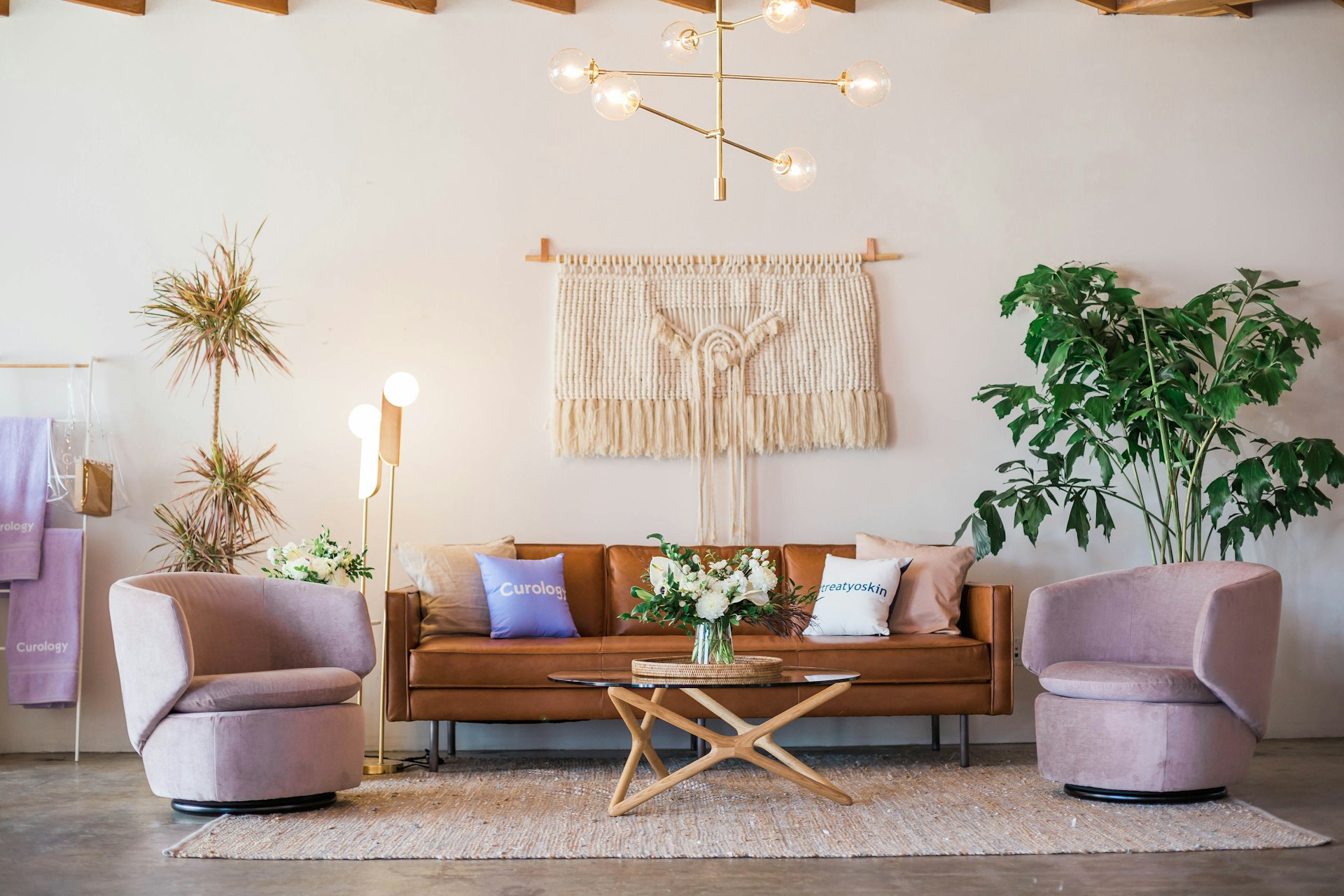
I also became more intentional with seasonal decorating. Rather than replacing furniture or purchasing dozens of new accessories, I focused on smaller updates like fresh flowers, textured throws, candles and greenery. Ironically, spending less often resulted in rooms that looked more expensive.
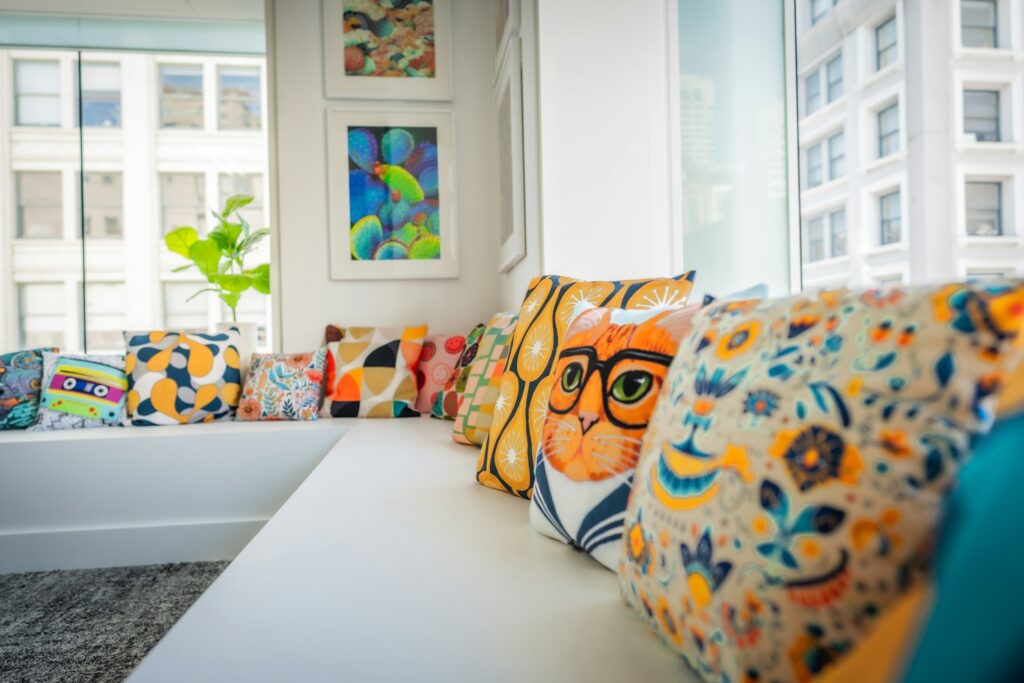
I learned that timeless doesn’t mean outdated. Simple color palettes, quality craftsmanship, layered textures and balanced proportions rarely go out of style. These elements create homes that feel warm and inviting regardless of current trends.
That doesn’t mean avoiding personality altogether. Instead, I now treat trendy pieces as accents rather than the foundation of a room. If a trend fades, replacing one cushion or decorative object is far less expensive than replacing an entire room of furniture. This mindset has completely changed how I approach fast decor, and it’s made every decorating decision feel more intentional.
On the other hand, upgrades such as smart thermostats and minor kitchen updates can actually boost resale value. These improvements are timeless, as they won’t date quickly like microtrends.
Perhaps the biggest surprise was that I didn’t need an expensive remodel to improve my home’s appeal. By decluttering, removing overly trendy pieces, upgrading a handful of key furniture items and focusing on consistency instead of constant novelty, the entire house felt brighter, more spacious and better cared for. Potential buyers noticed.
Several visitors commented on how calm and welcoming the home felt, and my listing photos highlighted the architecture rather than the accessories. It reinforced how thoughtful restraint can add more perceived value than endless shopping.
Looking back, I don’t regret experimenting with different styles because it taught me what I genuinely enjoy. But I do wish I’d understood sooner that decorating isn’t about keeping up with every trend. Today, I still enjoy refreshing my home. The difference is that I ask whether each purchase will still make sense five years from now. If the answer is no, I usually leave it behind. Walking away from past decor can help create a home that feels authentic, lasts longer and holds its value when it matters most.