
We are reader-supported. When you buy through links on our site, we may earn an affiliate commission.
Escaping the city for wide-open spaces has crossed plenty of minds, including yours. But owning a ranch requires years of knowledge to become financially viable, which makes many new to the industry ask if running a dude ranch is a solution, and for more than 100 years, it has been.
Like you, many city dwellers seek adventure and the famous Western hospitality. Today’s guests want authentic Western experiences, comfortable accommodations and memorable outdoor adventures, creating opportunities for entrepreneurs willing to combine ranching with hospitality. If you’re wondering whether a dude ranch could become a profitable business, it helps to understand what guests expect, how much it costs to get started and the realities behind operating one. A well-planned ranch can become a destination guests return to year after year.
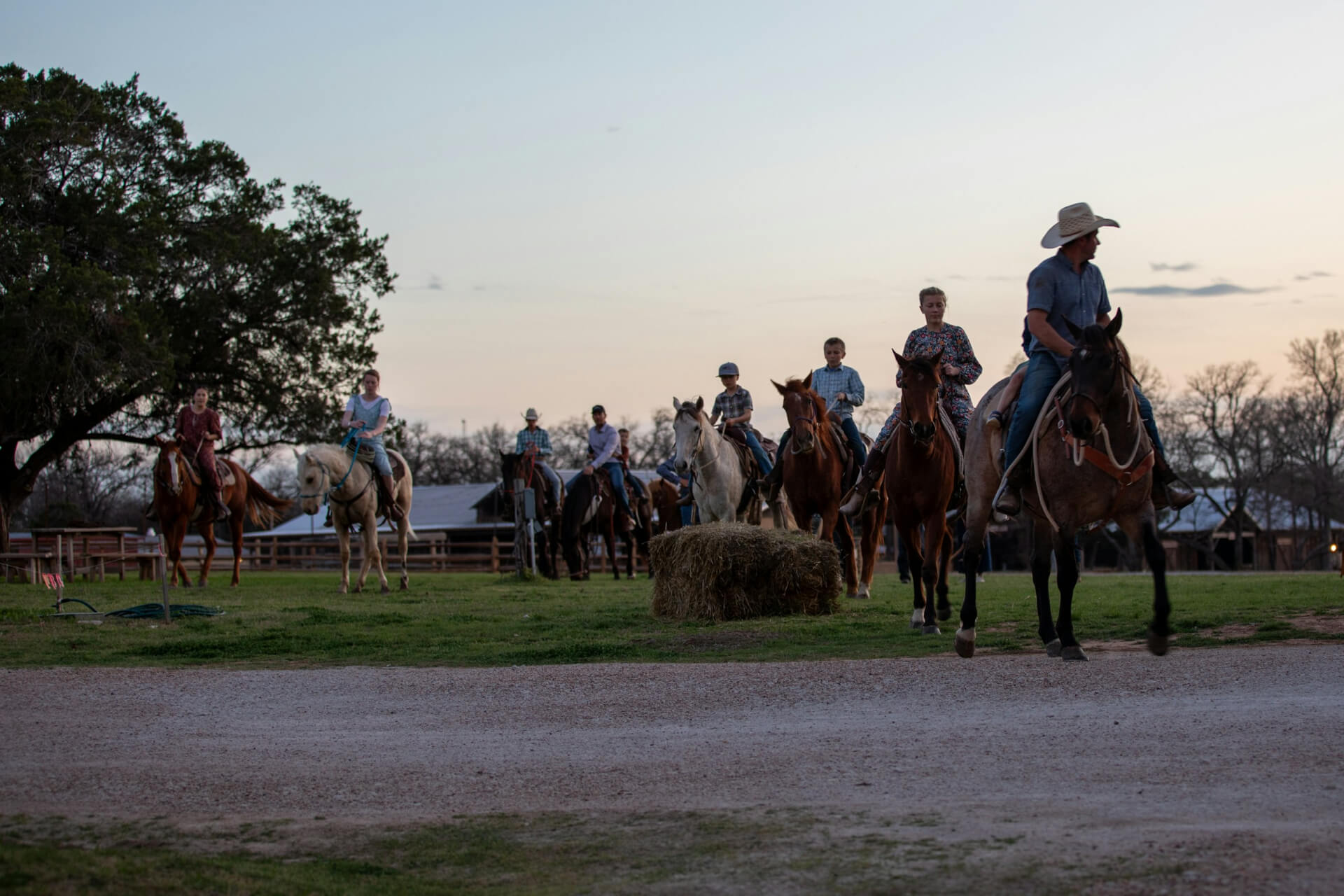
Dude ranches date back to the late 1800s, when wealthy travelers headed West to experience life on working cattle ranches. Ranch owners soon realized visitors would gladly pay to ride horses, sleep under expansive skies and experience a slower way of life without taking on the full-time responsibilities of owning the land.
While today’s ranches offer far more amenities, the appeal remains remarkably similar. Visitors want experiences that feel “gritty” rather than manufactured. Horseback riding, campfires, cattle drives, fly fishing and mountain trails — far removed from Wi-Fi coverage — offer a peace that’s increasingly difficult to find in modern cities.
The same appreciation for slower living explains why tourists continue to visit destinations where transportation itself becomes part of the experience. Places such as Mackinac Island, Michigan, remain popular because visitors enjoy carriage rides and a pace that feels completely different from everyday life.
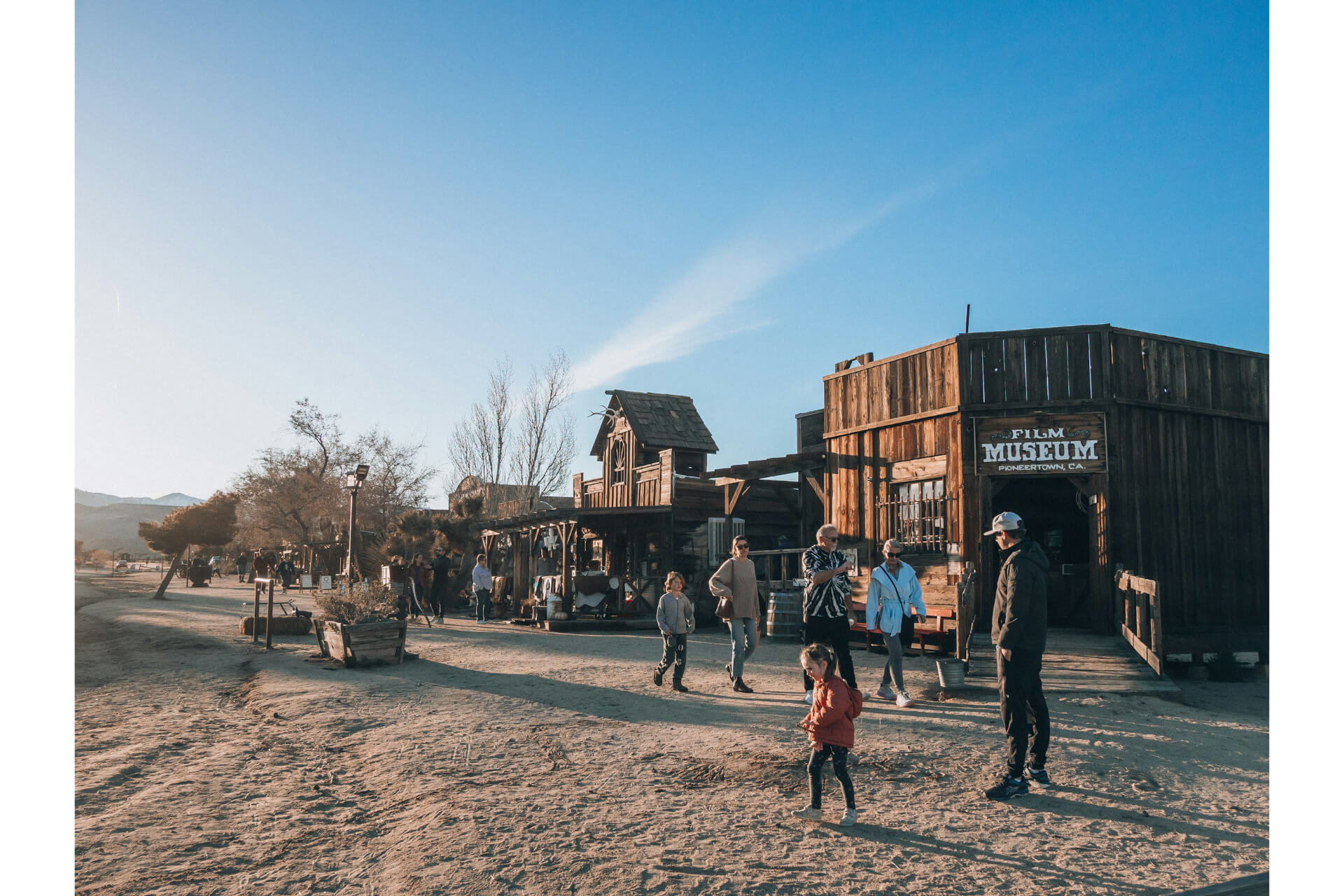
Travelers increasingly spend money on experiences rather than possessions, and dude ranches fit squarely into that trend. Plus, it’s family-friendly. Market research projects continued growth for the global dude ranch vacation industry as demand for outdoor recreation, adventure travel and family experiences expands. By 2033, the market is set to top $3.4 billion, driven by growing wellness awareness that favors outdoor adventures and digital detox.
Guests come from a surprisingly broad audience, with ranches welcoming families, couples celebrating anniversaries and honeymoons, retirees interested in scenic horseback riding and international visitors seeking an authentic American “Wild West” experience. Even corporate groups plan retreats around cattle drives and ranch life.
Most guests prefer an all-inclusive pricing structure because it simplifies vacation planning and budgeting. Meals, accommodations and activities are bundled into one package, allowing visitors to relax without worrying about additional expenses throughout their stay.
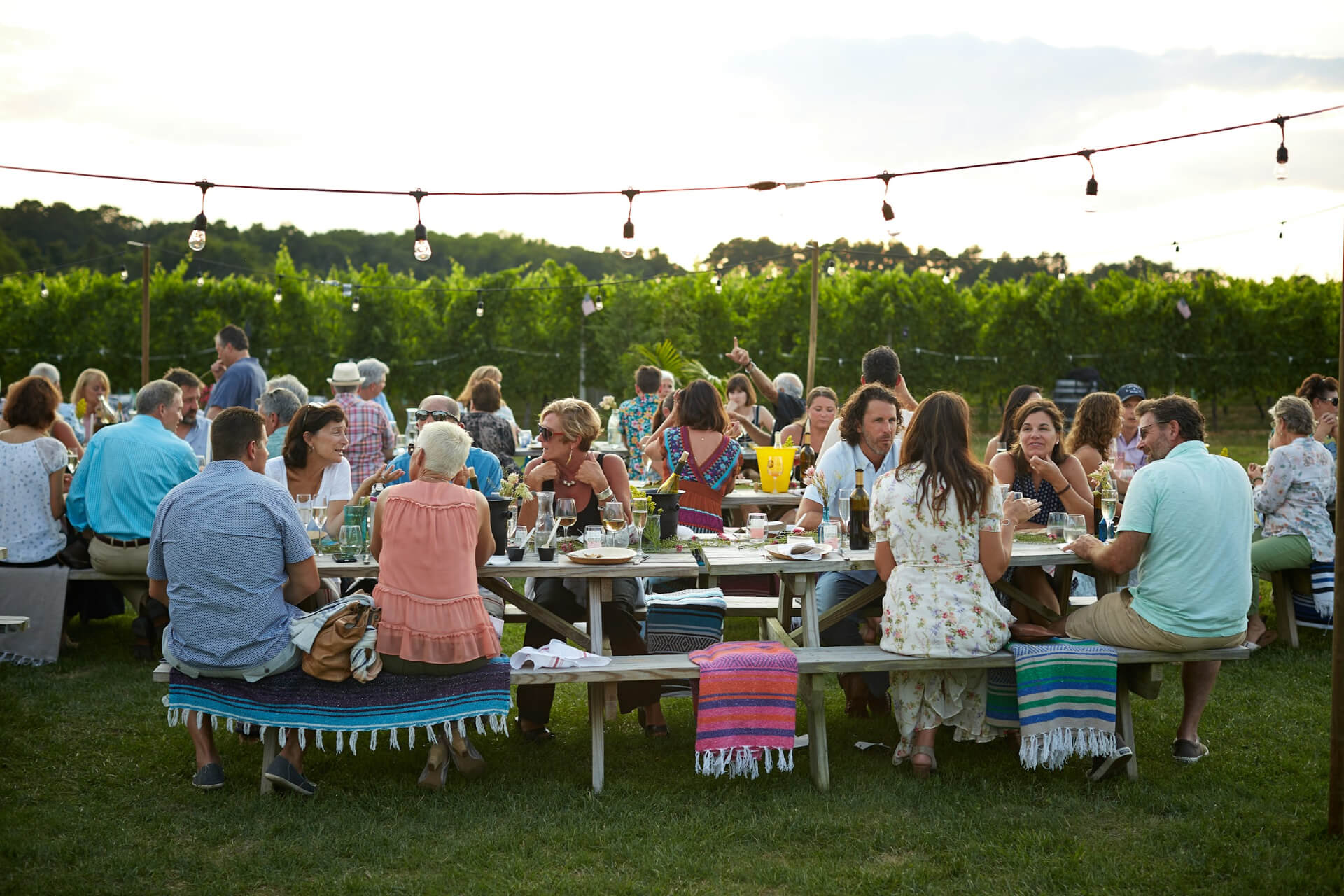
Beautiful scenery certainly helps, but successful experiences offer far more than horses and mountain views. They create adventures guests remember long after returning home.
Most ranches include comfortable lodging, hearty meals and guided activities throughout the day. Horseback riding remains the centerpiece, but many properties also offer hiking, fly fishing, archery, wagon rides, wildlife viewing and evening entertaining around the fire. Having a few cowboys and ranch hands to help increases the authenticity.
Working ranches often allow guests to participate in seasonal ranch activities, such as moving cattle or feeding livestock, creating the “true” western feel many travelers seek. However, guests want to be comfortable after a day of fun, so private cabins, clean facilities, at least one spot with some Wi-Fi for contacting family and friends, amenities for all ages and attentive staff influence end-of-stay reviews. Visitors may happily trade luxury hotels for genuine ranch flavor, but they still expect excellent customer service and comfortable accommodations.
The best chance at success is to identify a clear niche. Some facilities cater to luxury travelers with spa services and gourmet dining, while others focus on affordable family vacations or immersive working-ranch experiences that include branding, roping and dehorning. A defined identity helps distinguish your property in a competitive tourism market that’s taken multiple states by storm, including Arizona, Montana, Idaho, Texas, New Mexico, Colorado, California and Wyoming.
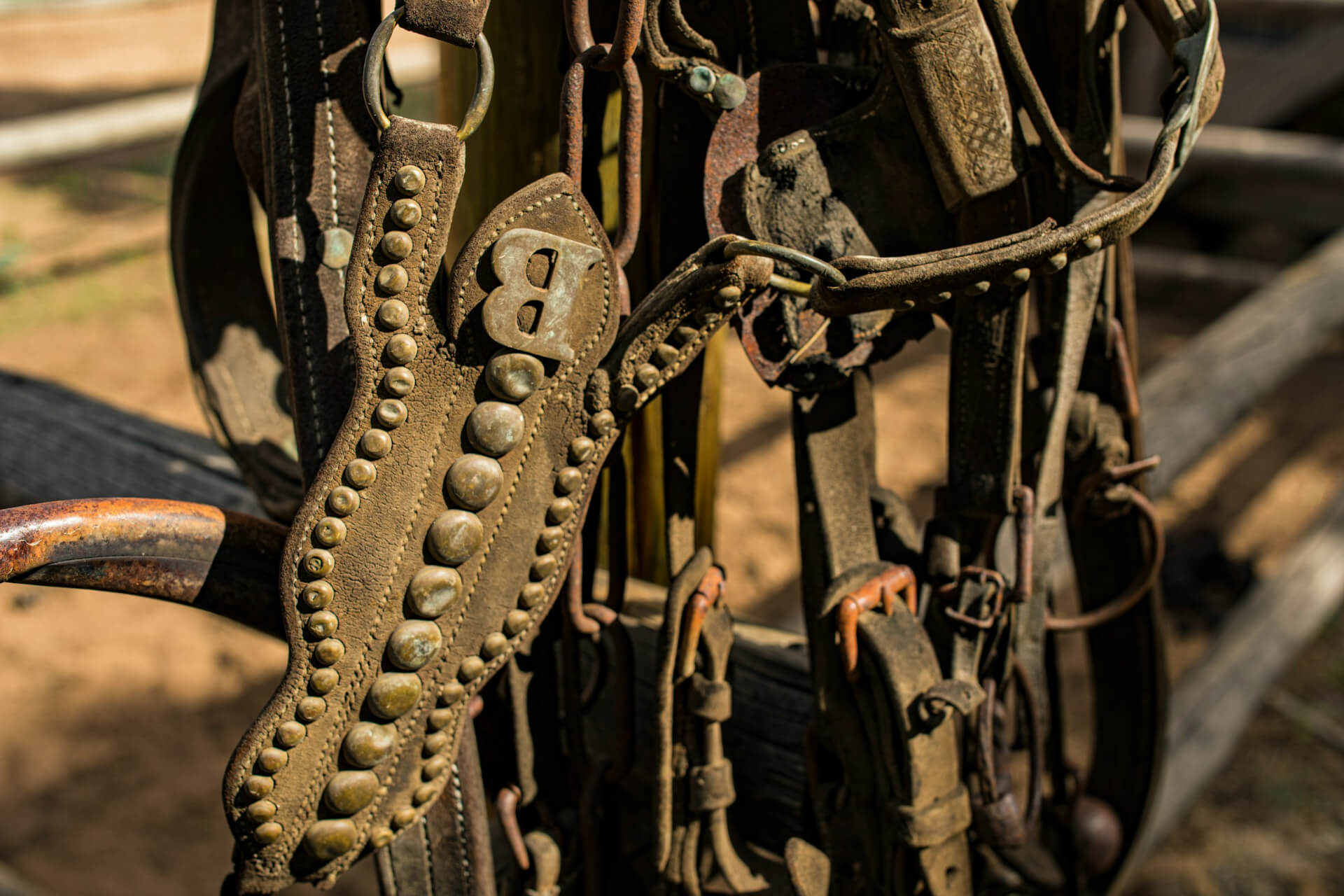
While the baseline for your operation is a traditional livestock ranch, you will have some industry-related costs to cover up front. You’re creating a working property and a hospitality business.
Your largest expenses may include:
If your property already includes barns and ranch infrastructure, you’ll still need to evaluate whether they meet safety standards for paying guests. The average cost of constructing a barn ranges from $30 – $170 per square foot, and visitor accommodations typically require a higher investment because they include plumbing, electrical work, insulation and hospitality-grade finishes.
Even if you have an abundance of outhouses to convert into barndominiums, safety should guide every renovation decision. Just as you’d perform a walk-through before introducing horses into a new barn, every guest cabin, visitor center, trailhead and activity area deserves the same level of inspection before welcoming visitors. Reducing hazards protects your investment, guests, staff and reputation.
You’ll also need ongoing operating capital for feed, veterinary care, utilities, payroll, maintenance and seasonal marketing. Many first-time owners focus heavily on purchasing the ranch itself, only to discover that annual operating expenses require just as much planning as the startup cash.
Revenue varies widely depending on your location, capacity and the experience you offer. According to the Dude Ranchers’ Association (DRA), guests can expect to pay anywhere from a few hundred dollars for budget facilities to several thousand per night for luxury properties. Most in the industry offer inclusive packages, making budgeting easier.
The DRA suggests the average earnings you can expect once your guests start booking:
|
Experience Level |
Approximate Cost Per Person Per Week |
What You Can Typically Expect |
|
Budget |
$1,500-$2,500 |
Shared or standard accommodations, horseback riding, meals and a selection of ranch activities. |
|
Midrange |
$2,500-$4,000 |
Private cabins or upgraded rooms, more activity choices, guided excursions and enhanced dining options. |
|
Luxury |
$4,000-$10,000+ |
Premium accommodations, gourmet dining, personalized riding experiences, spa services, premium excursions and higher staff-to-guest ratios. |
Actual pricing varies by season, location, ranch size and what’s included in the package. Even all-inclusive ranch vacations often include optional costs beyond the advertised nightly rate, so advise your guests of the following expenses to budget for.
|
Expense |
Typical Cost |
|
Transportation to the ranch |
Varies by airfare, fuel or rental vehicle |
|
Airport or local shuttle service |
$50-$250+ |
|
Gratuities for ranch staff |
Often, 10%-20% of the vacation cost, depending on the ranch policies |
|
Premium horseback rides or specialty excursions |
$75-$400+ per activity |
|
Alcoholic beverages |
Sometimes included, but frequently charged separately |
|
Spa treatments or wellness services |
$100-$300+ per treatment |
|
Ranch merchandise or apparel |
Varies based on purchases |
|
Fishing licenses or park entrance fees |
Required at some destinations |
|
Horseback riding gear or Western clothing |
Optional, but some guests purchase boots, hats or gloves before arriving |
Any successful rancher knows that diversification is often survival, and it’s no different for dude ranches. Overnight stays rarely keep the lights on.
Many offer alternative services such as:
Occupancy ultimately drives profit, and filling cabins consistently throughout the season often matters more than charging premium rates.
Here’s what the Dude Rancher’s Association has to say about the industry:
Starting a dude ranch takes far more than a love of horses and wide-open spaces. Success comes from combining solid business planning with genuine hospitality and memorable experiences that keep guests coming back. If you’re prepared for the investment, the daily commitment and the realities of running a tourism business, a dude ranch can become both a rewarding lifestyle and a profitable long-term venture.