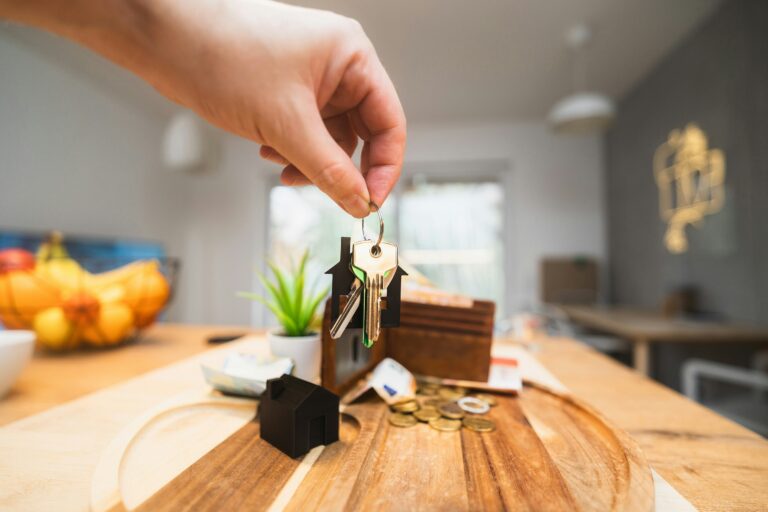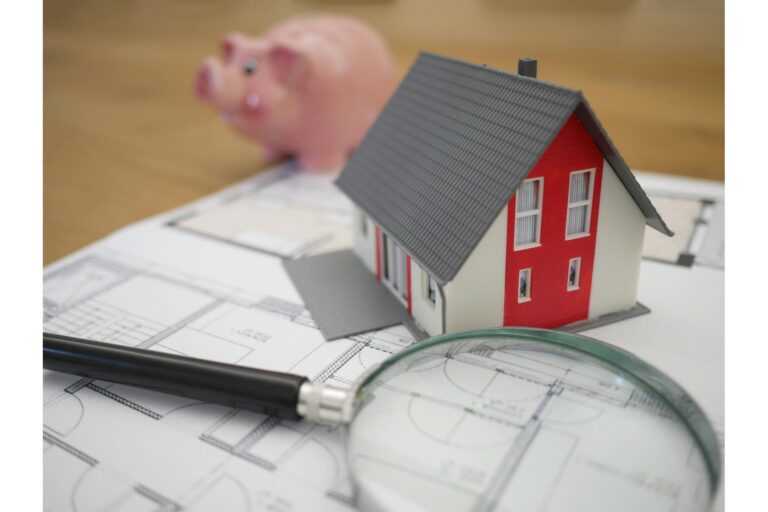

House hunting can be an exhilarating yet nerve-wracking journey. To ensure your final decision is logical and informed, not just emotional, a well-considered property viewing checklist is essential, as it provides a structured way to evaluate a potential home. This comprehensive tool walks you through three key domains, from the condition of the property’s exterior to the functionality and feel of the home’s interior and the vital aspects of the surrounding neighborhood.
This checklist is your guide to making an informed choice you’ll be happy with for years to come.

A home’s exterior, although including its curb appeal, is also its primary shield against the elements. A careful inspection of its condition is paramount, as promptly identifying potential issues with the roof, walls or windows can save you significant stress and expensive repairs further down the line.
Your inspection should start from above. From the ground, scan the property’s roof for any missing, cracked or sliding tiles, which can clearly indicate potential leaks. Notice whether the gutters sag or pull away from the house, which could indicate they are heavy with debris. Also, look for water stains on the eaves to clue you in on potential blockages or improper drainage, perhaps leading to future water damage if not addressed.
Next, examine the structural integrity of the building’s walls and foundation. While minor hairline cracks may be cosmetic, be wary of larger fractures. Look closely at the brickwork for crumbling mortar, which can allow moisture to penetrate the structure. Pay special attention to the base of the walls, especially checking for any persistent damp patches that might signal the potentially serious and costly issue of rising damp or drainage problems.
Finally, assess the home’s windows and doors from the outside. Don’t just look at them, but test their functionality. Try opening and closing a few windows to see if they operate smoothly or stick. A major red flag is condensation trapped between the panes of a double-glazed unit, as this often indicates a broken seal and loss of insulating properties. Check that all exterior doors close snugly against their frames to ensure optimal security and prevent drafts.
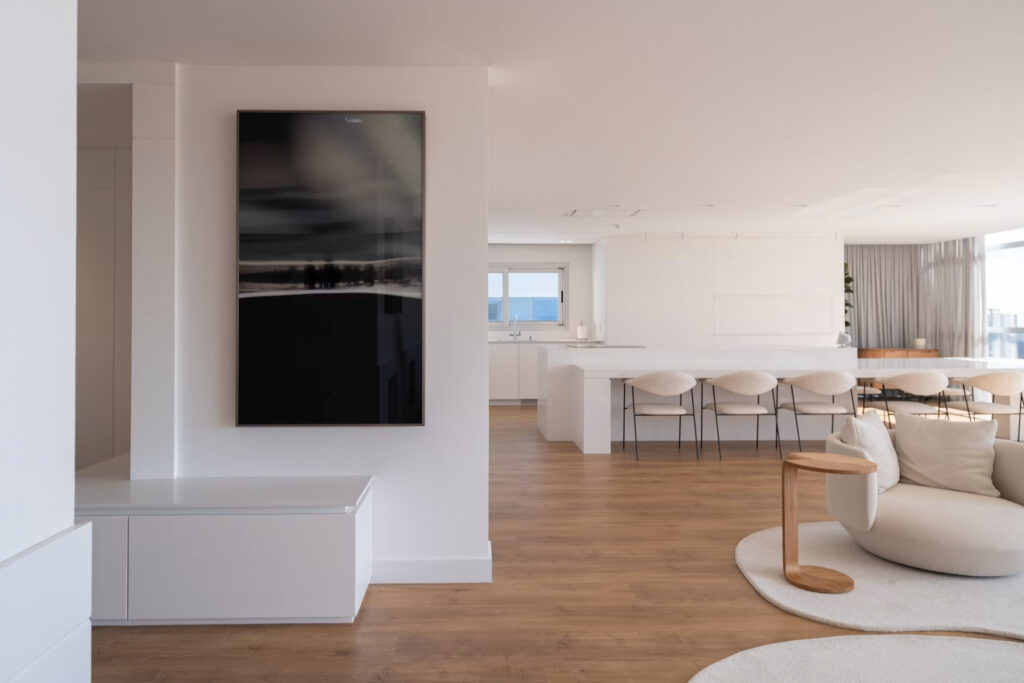
Sellers use staging to present their home in the best possible light. Your job as a buyer is to look past the beautiful decor and focus on the home’s core health. This deep dive involves checking the integral systems that make a house functional and safe, as issues in these systems are often hidden and costly.
Always trust your nose upon entering. A persistent musty or moldy smell is a significant warning sign that staging can’t always hide. Keep your eyes open for physical evidence of dampness. Look for peeling paint or bubbling wallpaper, especially around windows and on exterior walls. Dark, moldy stains on ceilings, in corners or near baseboards can clearly indicate moisture problems that need further investigation before you proceed with any purchase.
Never underestimate the functionality of a home’s plumbing and test it thoroughly. Turn on the taps in the kitchen and bathrooms to assess the water pressure for strength and consistency. Flush all the toilets to ensure they operate correctly and, importantly, automatically stop when they finish flushing. A quick but essential check is to examine the areas under the sinks in the kitchen and bathrooms for any signs of active leaks, water stains, or previous damage, which could indicate ongoing problems.
Test the power in your prospective new home by flipping light switches and checking a few outlets. Consider the placement and number of power sockets in each room. Are they sufficient for modern living? Most importantly, inquire about the age and service history of the boiler and heating system and note the presence of tankless water heaters and modern heat-pump systems. Existing energy-efficient systems save high costs, especially as building material costs increase.
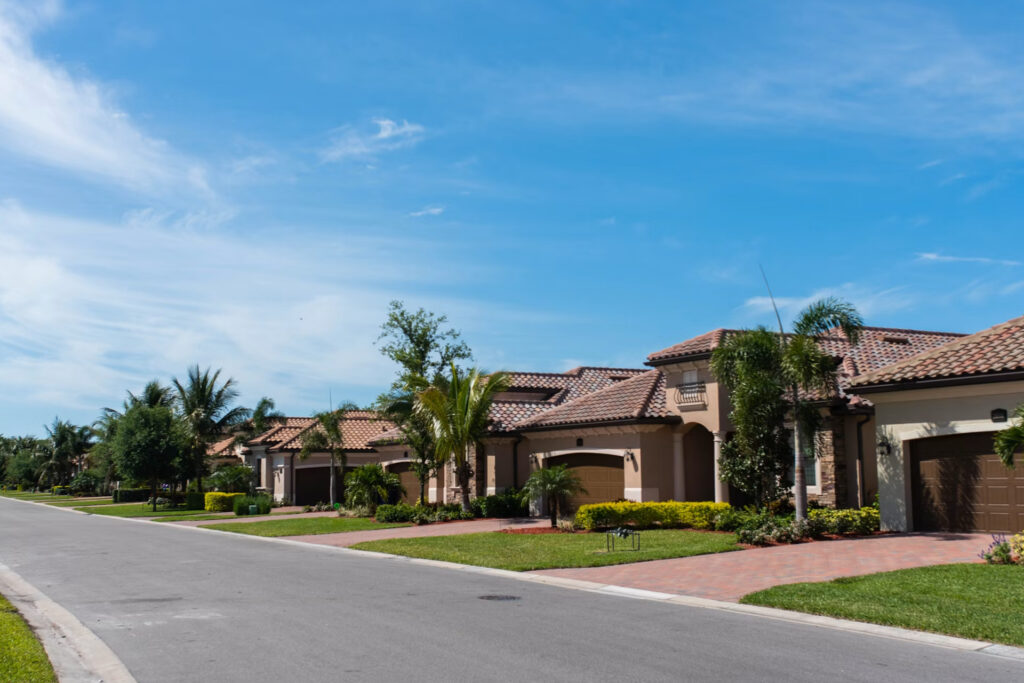
When you buy a property, you aren’t just buying a set of walls and a roof. You’re investing in a location and an entire lifestyle. A great house in the wrong environment won’t feel like home, so these final checks are about ensuring that the surrounding area meets your daily needs and supports your long-term happiness.
When you visit the property, pause for at least 15 minutes and listen. Can you hear the constant hum of a busy road, the rumble of nearby trains or planes on a flight path? These are noises you must prepare to live with daily. It’s also wise to visit at different times, such as on a weekday and weekends, to observe how the flow of traffic, street noise and the availability of parking change at different times.
In the modern connected world, even a poor mobile signal can be a major frustration. As you walk through the house, check the signal strength on your phone in each room. A dead zone in your future home office could be a deal-breaker. Afterward, take a brief walk around the block, as this simple act can provide an invaluable first impression of the community vibe and the neighborhood’s general upkeep.
Your checklist findings are powerful. They can strengthen your negotiation position by highlighting necessary amendments. Beyond price, investigate and consider creative financing options. For some buyers, unique options like a “gift of equity” can be beneficial. These original financing methods make home purchases more accessible by leveraging trusted relationships.
By methodically working through a checklist, you can transform from a hopeful house viewer into a shrewd inspector. This deliberate approach moves your decision beyond emotion, empowering you to see the property for what it truly is, with all its strengths and weaknesses. This diligence isn’t about avoiding problems alone, but is the essential first step toward making a confident, informed choice. It’s how you ensure you’re confidently stepping into the right home before you decide to buy.
We are reader-supported. When you buy through links on our site, we may earn an affiliate commission.
We are reader-supported. When you buy through links on our site, we may earn an affiliate commission.