
We are reader-supported. When you buy through links on our site, we may earn an affiliate commission.
After touring dozens of luxury homes over the past year, one design detail stood out more than any statement chandelier or marble countertop — none of the homes used matching metal finishes throughout. That observation reminded me how much modern interior designers have embraced the art of mixing metals. Here are the six things I learned.
Instead of treating every finish equally, allowing one metal to remain the primary choice throughout the home is the recipe for success. Think of it as the foundation that keeps everything visually connected.
Then, one or two finishes complement it as accents. Maintaining this clear hierarchy prevents the design from feeling random while still adding personality.
Most professionally designed homes use only two or three finishes within a single space. It’s like a silent rule nobody dares to break.
Limiting the palette to three creates enough variation to add depth while preserving a cohesive appearance. Once too many finishes enter the room, they may begin competing instead of complementing one another.
One isolated feature looks accidental. But the sight of that same element in several places makes it obvious that it’s a deliberate choice. Repetition creates rhythm, helping the eye perceive the contrast as intentional rather than the result of mismatched purchases.
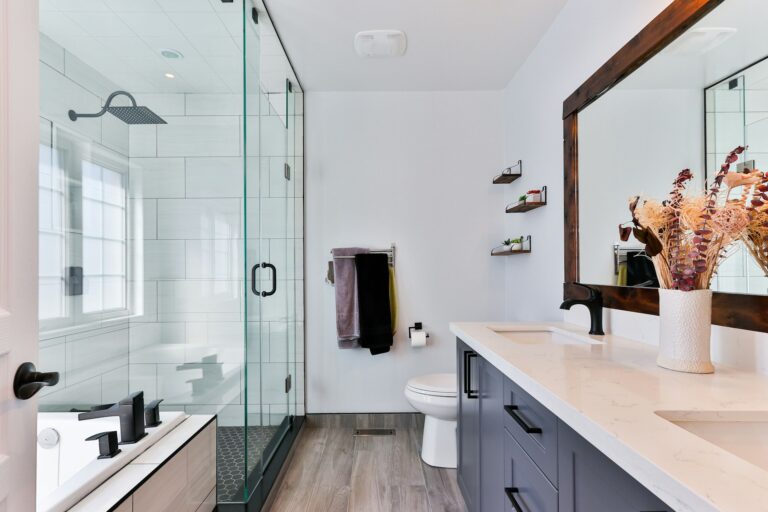
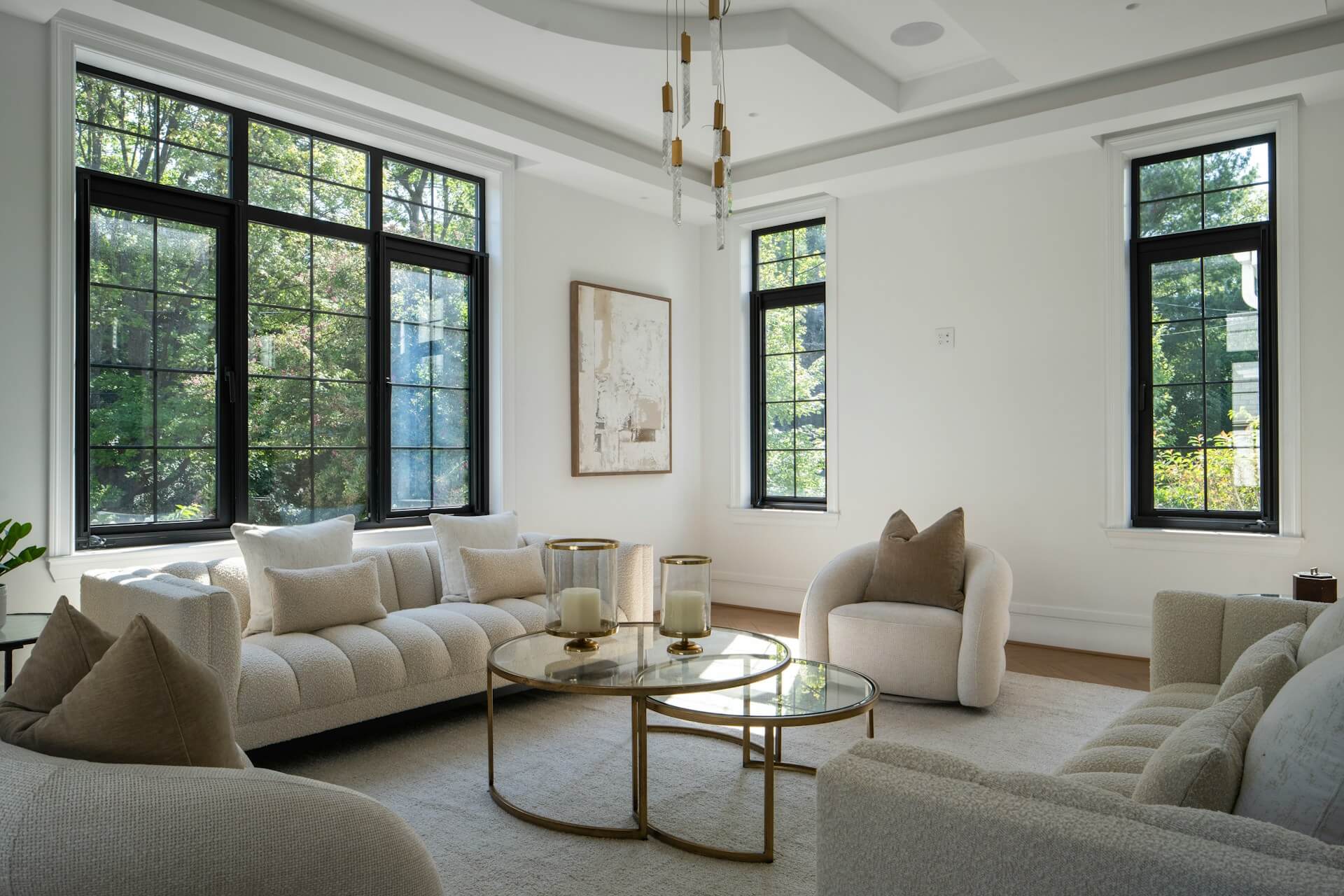
I remember one house had a brushed gold motif. The feature showed up as a faucet and pendant lights in the kitchen and vanity lights and a mirror frame in the bathroom. Brass’s volume wasn’t visually heavy, but I could still feel its weight in the background.

In some luxury spaces, designers assigned different roles to different metals. Plumbing fixtures had polished nickel, while lighting introduced aged brass. Drawer handles stayed matte black while furniture incorporated bronze details.
Giving each finish a consistent job kept the overall design organized, even when multiple metals were present. It’s a fascinating strategy of mixing metals in the same room that might not work on paper but was surprisingly elegant in practice.

Some houses boldly meshed warm metals, such as brass, copper and bronze, with chrome, polished nickel, stainless steel and other cool finishes to an enchanting effect. The contradictory temperatures coexisted harmoniously rather than clashing.
The common denominator in these spaces was thoughtful balance. The key was to scatter them evenly across the room so neither family dominated. The state of equilibrium produced contrast without overwhelming the overall design.
A few homes took a conservative approach. I could tell that their owners still favored matching finishes but were open to deviating from what they considered the norm.
Some started introducing a new finish with seasonal decorations. This move aimed to test the waters, checking how slightly diverse aesthetics looked and felt before committing to larger and more permanent changes.
Many designers have abandoned matching metals as a go-to strategy for these reasons.
When every metal surface matches perfectly, a home can sometimes feel more like a showroom than a lived-in space.
Prevailing luxury interior design trends avoid complete uniformity, as subtle variation adds warmth and flair. Without intentional contrasts, even beautifully designed spaces can appear flat and overly controlled.
Some of the most memorable homes I toured layered materials rather than repeating them. Different wood species, fabrics, masonry textures and metal finishes worked together to make the space look chic and personal without appearing cluttered.
Using only one finish removes one of those opportunities for layering. Every fixture begins to blend rather than contribute its own personality. While the room remains cohesive, it may not feel especially distinctive. Slight dissimilarities often encourage the eye to explore a space more naturally, making the overall design feel richer and more thoughtfully curated.
Matching metals complicates material sourcing. Manufacturers regularly discontinue finishes or slightly change their color formulations. Even products labeled with the same finish can vary by brand or production year. If one faucet, light fixture or cabinet pull needs replacement, finding an exact match may prove surprisingly difficult.
In homes built around a single finish, even minor differences become immediately noticeable because every surrounding fixture highlights the mismatch. Ironically, the consistency that once simplified renovations can eventually make revamps more challenging.

Yes, matching metals will almost certainly return. However, its resurgence depends on how the current mixed-metals trend will age. Social media can propel fads to immense popularity and quickly make a relatively recent fashionable design choice feel out of date, such as the shift from shiny brass to matte black and brushed nickel for a streamlined ambience. Nostalgia is also a powerful force, allowing past aesthetics to return to the limelight.
If homeowners take this trend too far, more people may yearn for matching metals to come back to inject these qualities into rooms:
Mixing metals works if you’re intentional about your decisions. Draw inspiration from the 50 luxury homes to remember what works when you renovate your space. In a few years, I may tour high-end properties again to look for new concepts or signs that matching metals are making a comeback.