We are reader-supported. When you buy through links on our site, we may earn an affiliate commission.
Jump to Renovated’s actionable checklist for noticing and replacing 3-way switches
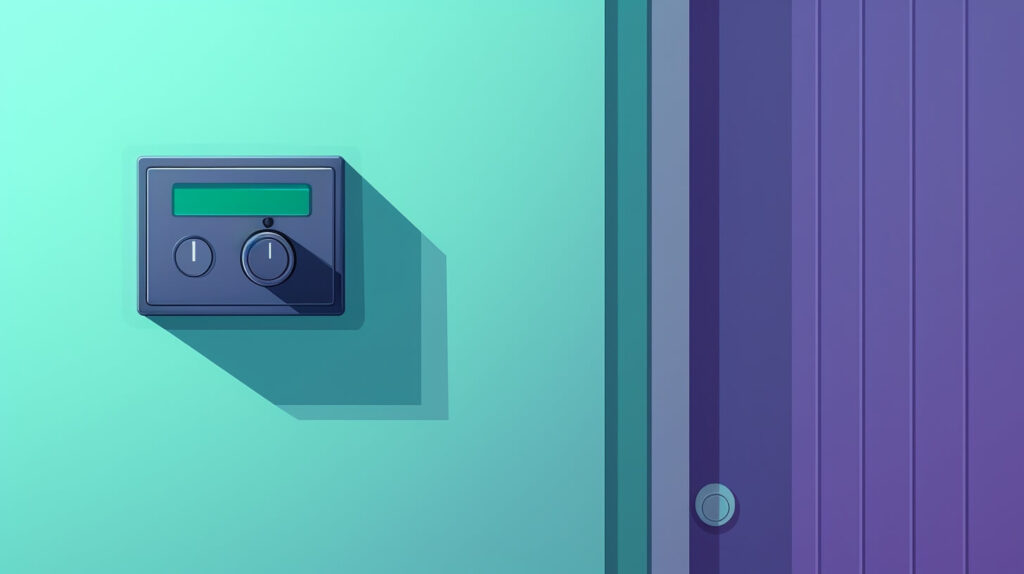
Even reliable three-way switches wear down over time. Because they control lighting from two locations, early warning signs matter. Recognizing problems early saves time and money and makes replacement a manageable DIY task that keeps the home safe and well-lit. These are the common signs of a faulty three-way switch and how to replace it.
1. Visible Wear and Tear
Signs of wear and tear can appear around the switch plate and are often visible without inspecting the wiring. Cracks, discoloration, burn marks or a wobbly switch may indicate that the switch is ready for replacement. A damaged switch can also cause the circuit breaker to trip, signaling a potential electrical hazard. Replacing a worn switch can restore smooth, reliable operation and keep your home safe and well-lit.
2. Loose Connections
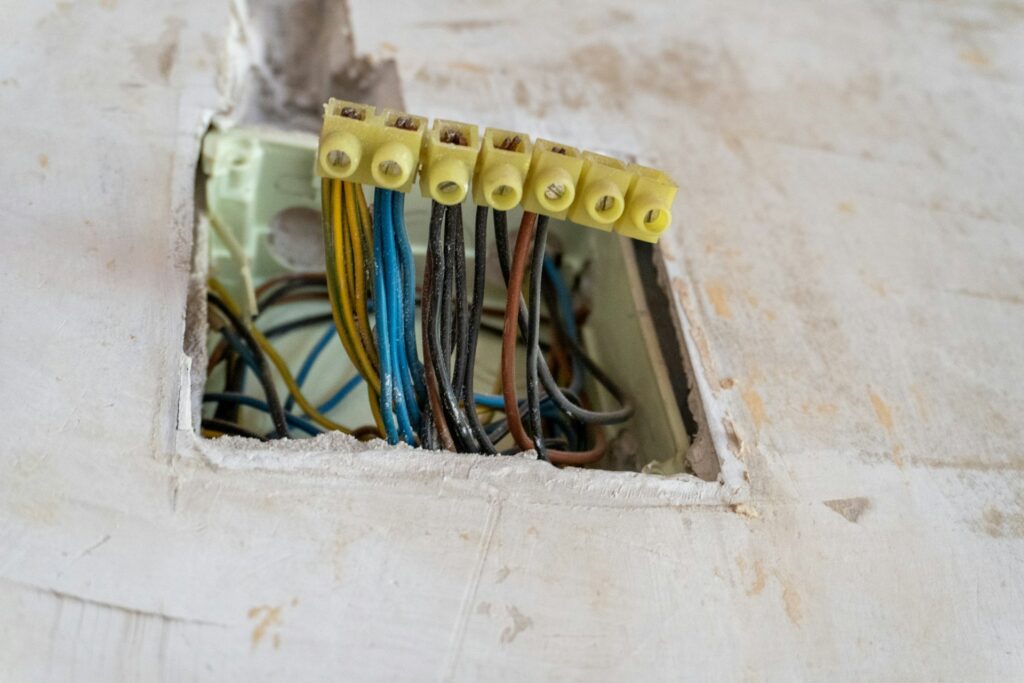
Consider safe wiring as a nonnegotiable and ensure it complies with code. Loose wire connections can cause intermittent issues or stop a three-way switch from working altogether. Poor installation or gradual loosening can lead to sporadic operation, making diagnosis more challenging. Catching these signs early helps prevent larger electrical problems.
3. Compatibility Problems
Compatibility issues can sometimes appear, especially when switches from different manufacturers are used together. Not all three-way switches work the same way, and mixing them may cause occasional problems.
4. Electric Clues
Over time, switches can wear out or become damaged. Flickering lights, a loose switch or a missing click often signal wear and can lead to inconsistent lighting or complete failure. If a switch appears faulty or you prefer not to test it, replacing it with a new one of the same type and amp rating is a simple option. Switches are inexpensive, so replacing one is a low-cost way to rule it out as the source of the problem.

How Do You Replace a 3-Way Switch?
Before replacing the three-way switch, turn off the power at the breaker. It’s important to avoid overloading electrical circuits, as electrical malfunctions caused 23,700 house fires in the United States in 2023.
Remove the switch plate, unscrew the old switch and identify the common wire, usually attached to a black or differently colored screw. When replacing a three-way switch, connect each wire to the correct terminal — misplaced common or traveler wires can cause issues or failure.
Carefully move the wires from the old switch to the new one, keeping the same configuration. The two traveler wires can connect to either traveler terminal. Once connected, place the switch back in the box, secure it, reattach the cover plate, restore power and test both switches. For added reliability, consider replacing both three-way switches simultaneously.
Renovated’s Checklist For Noticing and Replacing Your 3-Way Switch:
Notice
| Sign | Description |
|---|---|
| Visible Wear and Tear | Cracks, discoloration, burn marks, or a wobbly switch. Could trip circuit breaker. |
| Loose Connections | Intermittent operation or complete failure due to improper or loose wiring. |
| Compatibility Problems | Issues arising when different manufacturers’ switches are used together. |
| Electric Clues | Flickering lights, a loose switch, or a missing “click” sound upon operation. |
Replace
| Step | Action |
|---|---|
| 1. Safety First | Turn off power to the circuit at the electrical breaker. |
| 2. Remove Old Switch | Take off the switch plate, then unscrew and pull the old switch from the electrical box. |
| 3. Identify Wires | Note which wire is attached to the common terminal (often black/different colored screw) and the two traveler wires. |
| 4. Connect New Switch | Transfer wires: Common wire to new common terminal; traveler wires to new traveler terminals (order for these two doesn’t matter). |
| 5. Install New Switch | Gently push the new switch into the box, secure it with screws, and reattach the cover plate. |
| 6. Restore Power & Test | Turn power back on at the breaker. Test both switches in the three-way circuit for proper function. (Consider replacing both switches for reliability). |
Restore Safe and Reliable Lighting
Flickering lights, loose switches, visible wear or compatibility issues often indicate a three-way switch needs attention. With basic electrical knowledge and proper precautions, replacement is a manageable DIY task that improves safety and restores reliable lighting. Addressing these signs early keeps your home running smoothly.
About The Author
Peter is an associate editor for Renovated with over 5 years of experience writing in the home improvement and real estate sectors. He grew up learning woodworking and DIY skills from his grandfather, giving him a unique perspective on home renovation and maintenance. His personal interest in business has also led to him becoming a well-informed voice in the real estate world. He specializes in offering insightful, practical advice to new homeowners, guiding them on how to maximize their ROI.
When Peter has downtime, you'll find him at the top of a mountain, enjoying a scenic view. He also spends a lot of time cultivating his vegetable garden and tinkering in his woodshop.