


We are reader-supported. When you buy through links on our site, we may earn an affiliate commission.
We are reader-supported. When you buy through links on our site, we may earn an affiliate commission.
There’s nothing quite like relaxing outdoors on your deck or patio, whether after a long day at work or on a sunny, laid-back weekend. You’ve picked the right table to dine al fresco, the most comfortable chaise lounge to kick back with a book in, and a chic bistro set for your morning coffee and evening glass of wine. You’ll want to protect your investments from weather damage, so you should put as much thought into storing outdoor furniture as you do into selecting it.
Storing outdoor furniture goes beyond just putting it away for the winter. It’s something you should be prepared for year-round.
No matter the season, the most important thing you can do is properly prepare your outdoor furniture for storage. That way, you ensure it remains in good condition until you need it again.
Cleaning is the most critical first step to prevent dirt, grime and mildew from setting in. You can use a variety of safe and effective solutions, such as mild dish soap and water, vinegar and water, baking soda paste or nontoxic, biodegradable commercial products. Skip the bleach, ammonia or harsh chemicals that can damage finishes and weaken materials. Avoid pressure-washing, as well, which can lead to splintering and damage delicate surfaces.
After a thorough cleaning, check for rust, loose screws or fabric tears. Be sure to make repairs before storage, as things could get worse when the furniture is sitting. You don’t want rodents burrowing into torn cushions or rust to spread. Plus, when it’s time to get everything back out again, you’ll be eager to put it to use rather than deal with damage control.
Once everything is clean and repaired, make sure all your furniture is dry before putting it away. Otherwise, mold and mildew have a chance of developing, which can ruin your belongings and affect your health. Mold spores grow on places with excessive moisture, so ensure your freshly cleaned outdoor sofa cushions thoroughly dry in the sun before storage.
You’ll want to keep your outdoor furniture in a safe place. There are several options to choose from. Sheds, garages and basements are all good choices. You’ll also want to opt for covers to protect your items from the elements when not in seasonal storage, such as spring rain showers and heavy leaf fall in autumn.

Once your patio furniture has been properly prepared for storage, it’s time to consider the season and the reason. Winter gets the most focus when it comes to storing outdoor furniture, but the other three times of year also require special considerations.
The biggest issues your outdoor furniture faces in winter are freezing temperatures and moisture damage. You’ll should move your items into long-term indoor locations like a shed, basement or garage. You’ll know the time has come by tracking these three factors: night temperatures, storm patterns and the turning point for prolonged cold temperatures in your region. Use blocks or rubber pads to keep furniture off concrete floors, which can draw up moisture. Also, keep it upright so water cannot pool in the drain holes and freeze, which can crack frames.
Spring is generally the time of year most people bring their furniture out for the season, but it still needs protection from the elements. It’s best to use breathable covers during periods of heavy pollen or frequent rain showers to keep it from getting too wet and dirty. Make sure protective coverings are water- and wind-resistant, and be sure to close umbrellas so they don’t blow away during heavy gusts.
Summer is peak deck season, but you still need to consider safe storage and usage solutions. The key is to prevent UV damage and fading. Be sure to position outdoor furniture under umbrellas, pergolas or awnings to minimize sun exposure that can lead to cracking and fading. Bring cushions inside during heavy downpours so they don’t get soaked. You can even pop them in your washing machine if allowed by the manufacturer. Apply a light oil or UV-blocking sealant if wooden furniture looks dry or faded from the summer heat.
Fall is the last hurrah to enjoy your deck or patio. Make the most of it by protecting outdoor furniture from falling leaves and persistent dampness that can cause staining. Use furniture covers so leaves don’t accumulate on surfaces, uncovering items when you need to use them. Use storage containers for cushions and smaller items, like lanterns and accessories, so you can still pull them out for those remaining warm days. This way, you can extend the season with minimal effort.
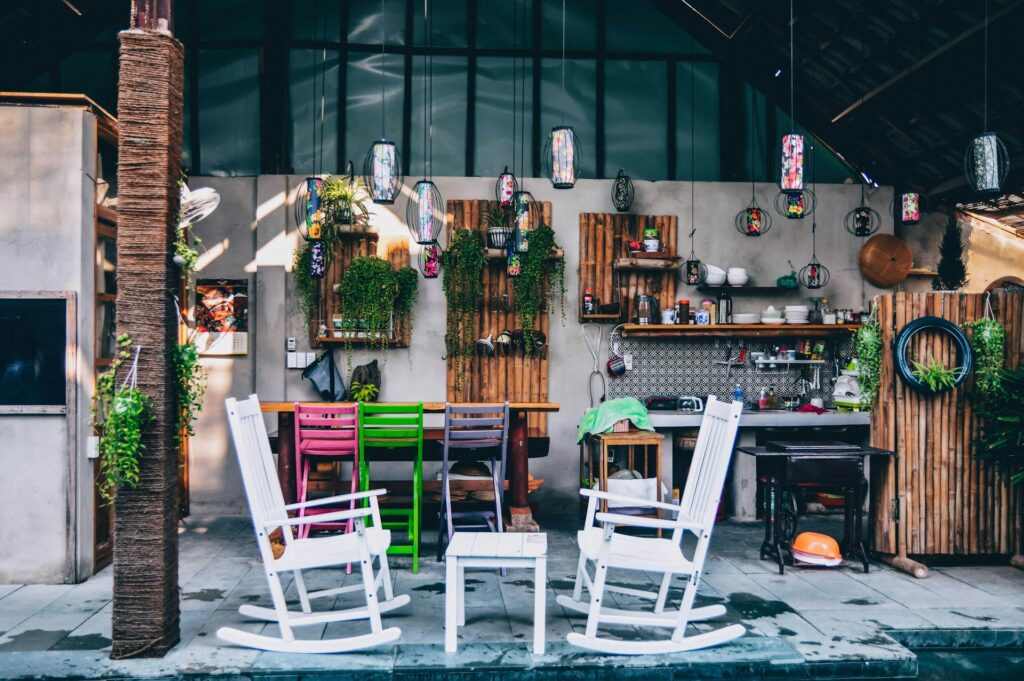
Here are some quick tips on ensuring your outdoor furniture is properly cared for, no matter the time of year.
Wood and Wicker
Metal and Wrought Iron
Plastic and Resin
Cushions and Fabrics
Your outdoor furniture provides many happy moments throughout the year, from that first springtime bash to a cozy autumn alfresco dinner under twinkling lights. Be sure to care for and store it properly for all seasons to make those good times last.