We are reader-supported. When you buy through links on our site, we may earn an affiliate commission.
Cities are no longer built around a single purpose. The rigid separation of residential, commercial and industrial zones is giving way to a more integrated approach that reflects how people actually live, work and move through urban environments. Mixed-use development has emerged as a powerful response to growing populations, limited land and changing lifestyle expectations, reshaping the modern urban landscape.
What Is Mixed Use Development?
Mixed-use development refers to the intentional integration of multiple land uses, such as residential, commercial, retail, office, cultural and recreational spaces, within a single building, block or neighborhood. Instead of isolating functions into separate districts, mixed-use projects layer together in ways that encourage interaction, efficiency and accessibility. A typical example might include ground-floor retail, offices on mid-level floors and residential units above, all supported by shared public spaces and transit access.
Mixed-use development is designed to support daily life within a compact area. It allows people to live close to where they work, shop, dine and socialize, reducing the need for long commutes and improving quality of life. As cities evolve, this model is increasingly seen as essential rather than optional.
- Creating More Walkable, Human-Centered Cities
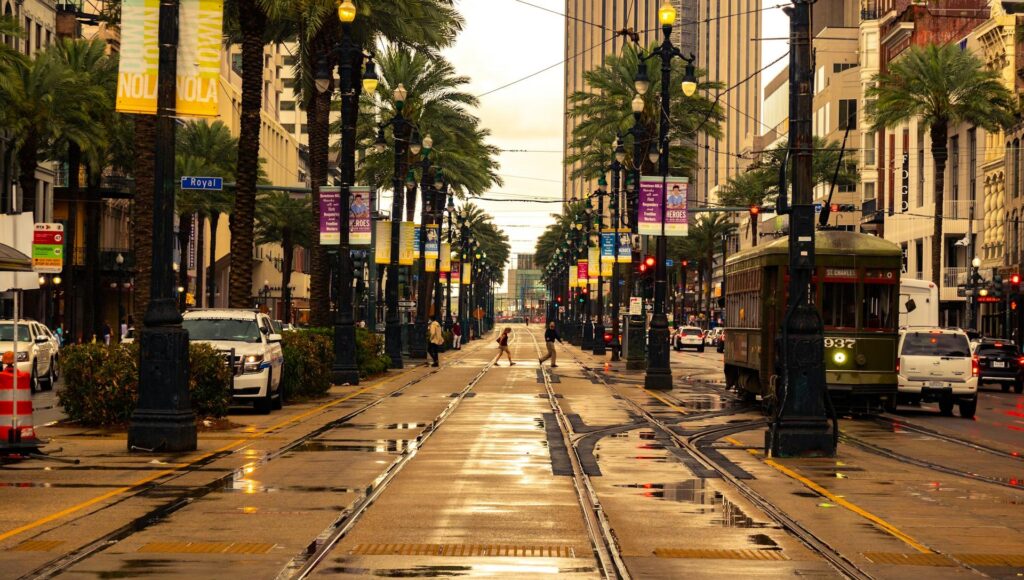
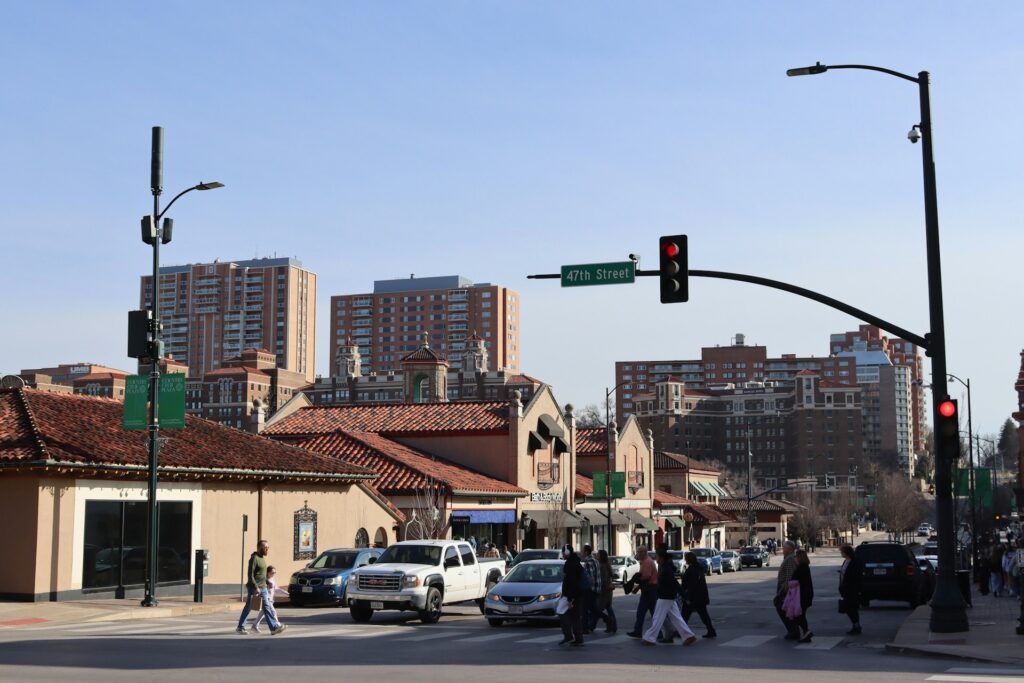
Mixed-use development places people at the center of urban design rather than vehicles. When essential services are located within walking distance, streets become more active, engaging and safe. Sidewalks are no longer just passageways, but spaces where people linger, interact and support local businesses. This shift encourages healthier lifestyles while making neighborhoods feel more vibrant and accessible.
Beyond convenience, walkability is critical for urban identity. Mixed-use areas tend to have a stronger sense of place because daily activities unfold in shared, visible spaces. Over time, this human-centered design fosters emotional connections between residents and their neighborhoods, making cities feel less anonymous and more liveable.
- Reducing Traffic Congestion and Commuting Stress
Traditional city layouts often force residents to travel long distances between home, work and leisure activities. Mixed-use development disrupts this pattern by clustering destinations closer together. Shorter communities reduce reliance on private vehicles, easing congestion and lowering transport costs for individuals. For many residents, this translates into reclaimed time and reduced daily stress.
On a city-wide scale, fewer car trips mean less strain on road networks and public transport systems. This improved efficiency allows municipalities to allocate resources more effectively while advancing broader mobility and sustainability goals. Over time, the cumulative impact can significantly improve urban transportation dynamics.
- Revitalizing Underused Aging Urban Areas
Mixed-use development has become a powerful tool for urban regeneration. Vacant lots, outdated shopping centers and former industrial sites can be transformed into dynamic, multi-functional districts that attract residents, businesses and visitors. These projects often act as catalysts, encouraging further investment and redevelopment in surrounding neighborhoods.
When executed with community input, revitalization through mixed-use development can preserve local character while introducing modern infrastructure. The result is a balanced transformation that respects a city’s history while preparing it for future growth.
- Supporting Local Economies and Small Businesses
The economic strength of mixed-use development lies in its constant activity. Unlike single-use areas that empty out after business hours, mixed-use neighborhoods remain active throughout the day and evening. Residents provide a steady customer base for shops, cafes, fitness studios and service providers, creating more stable revenue streams for small businesses.
This consistency encourages entrepreneurship and supports diverse local economies in the area. By lowering barriers to access and visibility, mixed-use developments help smaller businesses compete and thrive alongside larger commercial tenants, strengthening the economic fabric of urban communities.
- Encouraging Social Interaction and Community Building
Mixed-use environments naturally bring people together. Shared amenities such as plazas, courtyards, rooftop spaces and co-working areas create opportunities for spontaneous interaction. These everyday encounters help build familiarity and trust among residents, workers and visitors, fostering a stronger sense of community.
In cities where social isolation is an increasing concern, this built-in connectivity is especially valuable. Mixed-use development helps create neighborhoods where people feel seen, engaged and part of something larger than themselves.
- Advancing Sustainability and Efficient Land Use
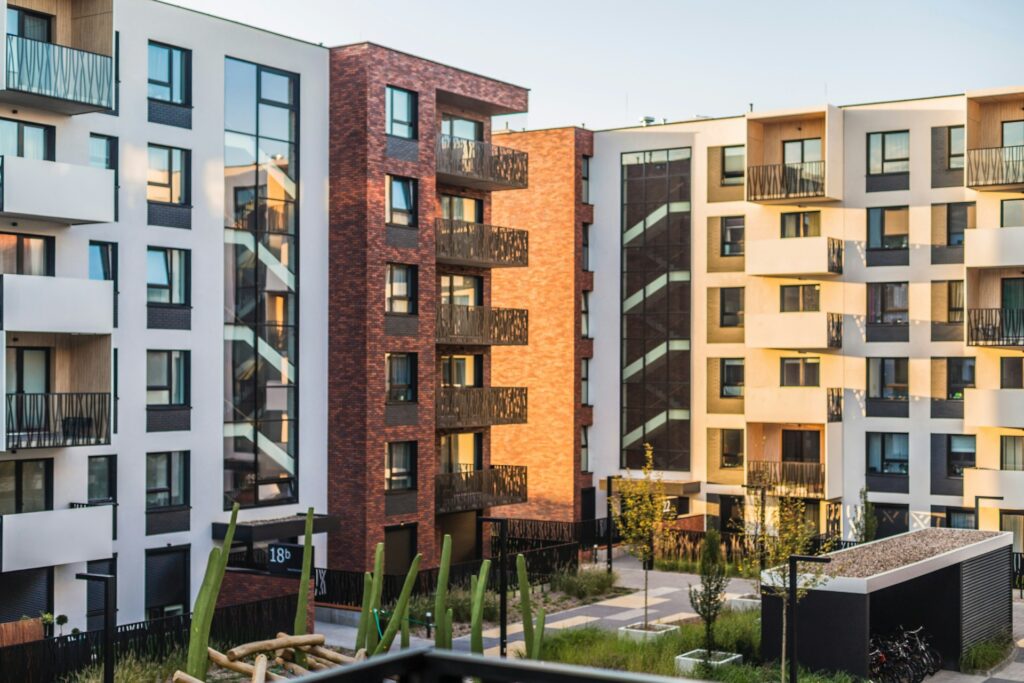
From an environmental standpoint, mixed-use development promotes smarter, more efficient use of land. Compact, vertical development reduces urban sprawl and protects surrounding natural areas. It also makes public transport more viable by concentrating population density around transit corridors.
Many mixed-use projects incorporate sustainable design features such as energy-efficient systems, shared resources and green spaces. Together, these elements reduce carbon footprints while supporting long-term environmental resilience in growing cities.
- Increasing Urban Resilience and Long-Term Flexibility
Cities must adapt to shifting economic conditions, demographic changes and evolving work patterns. Mixed-use developments are inherently flexible because they’re not dependent on a single function. If demand for office space declines or retail trends change, buildings and spaces can be repurposed more easily than single-use zones.
This adaptability makes mixed-use neighborhoods more resilient in the face of uncertainty. By supporting a range of activities and uses, they help cities remain functionally relevant and economically stable over time.
The Disadvantages of Mixed-Use Development
Despite its many benefits, mixed-use development isn’t a one-size-fits-all solution. The integration of multiple uses within a single project introduces layers of complexity that can create challenges for developers, residents, businesses and municipalities. When planning and oversight fall short, these issues can undermine the long-term success of a mixed-use environment.
- Higher development and construction costs: Mixed-use projects are typically more expensive to build than single-use developments due to their structural and operational complexity.
- Noise, congestion and lifestyle conflicts: Combining residential spaces with retail, dining and entertainment can create friction between users with different expectations.
- Affordability and gentrification risks: Mixed-use developments often attract higher-end tenants and businesses, which can drive up surrounding property values.
- Complex property management requirements: Managing a mixed-use development involves balancing the needs of multiple user groups, each with different operational demands.
- Regulatory and zoning hurdles: many municipalities still operate under zoning frameworks designed for single-use development.
A New Model for Urban Growth
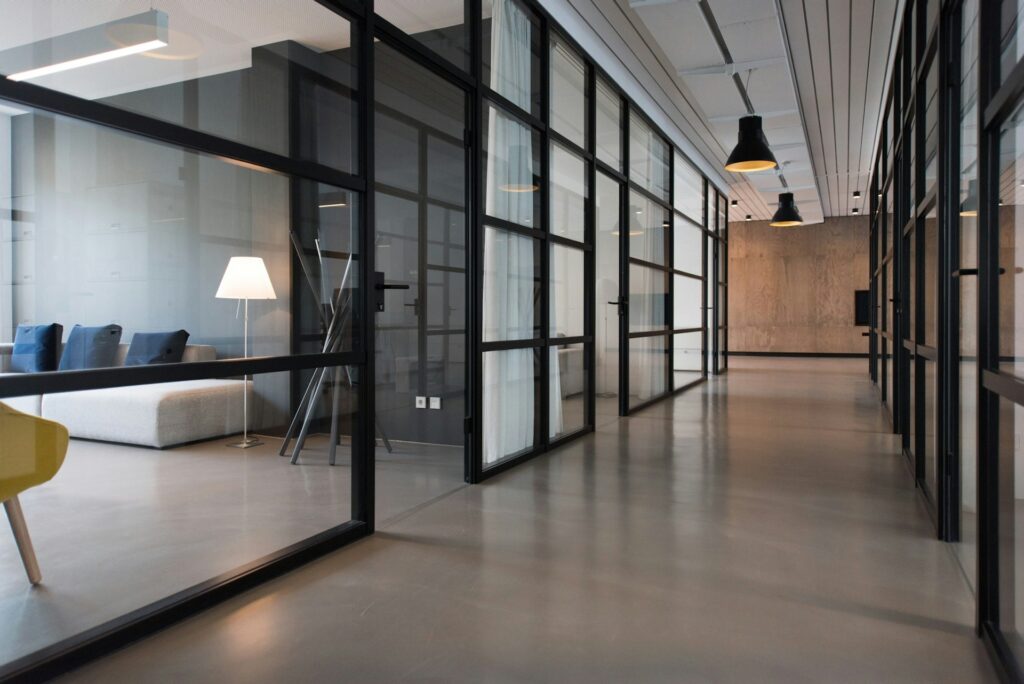
Mixed-use development reflects a broader rethinking of how cities should work. Rather than separating life into isolated zones, it embraces integration, efficiency and community. As urban populations continue to grow and expectations evolve, mixed-use development will play an increasingly central role in shaping productive and liveable cities.
About The Author
Evelyn is the founder and editor-in-chief of Renovated with over 5 years of experience writing about interior design, construction, and renovation. She is a passionate advocate for improving mental health and safety in the construction industry. When she's not writing, you can find her reading at coffee shops around PA.
Her insights have resonated far beyond Renovated, gracing publications like the National Association of Realtors, Construction Executive, DecorMatters, and Renewable Energy Magazine.
For more insight on design, construction, and everything in between, you can check out Evelyn's portfolio, https://evelynlong.com/.