
We are reader-supported. When you buy through links on our site, we may earn an affiliate commission.
There’s something thrilling about having hidden doors. Countless guests can pass through your hallway, oblivious of how moving a discreet latch turns a big, decorative mirror into an entrance to a secret library. Imagine an accent wall that conceals a wine cabinet or a kitchen island that hides the entrance to your basement in one of its cabinets. Only your space limits the possibilities. Consider these clever hidden door ideas and how to pull them off.
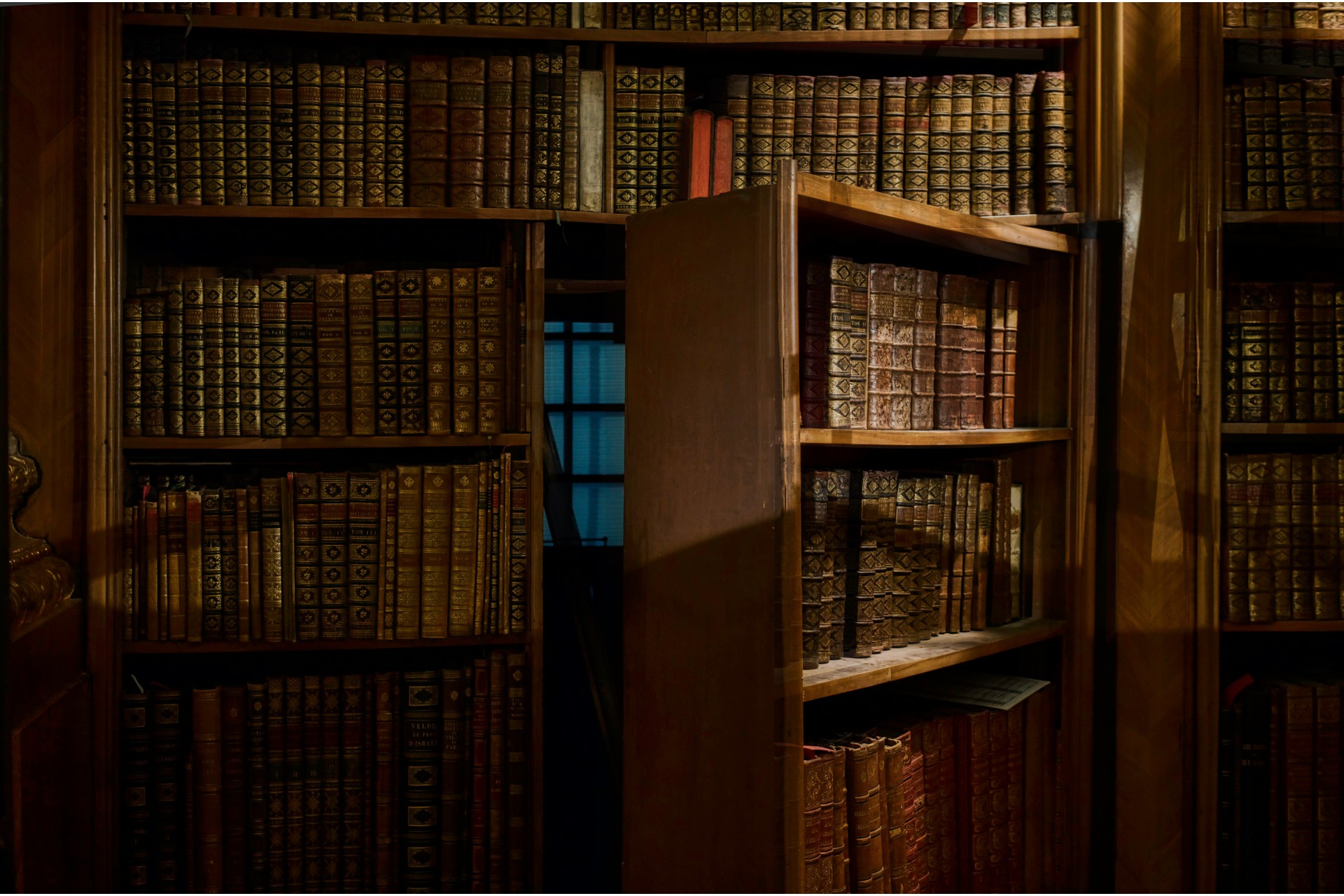
Hide a home office, reading nook or library behind a bookshelf that swings or slides open. It’s a great way to add charm and function to statement shelving. Invest in sturdy hinges that can bear immense weight and ensure the mechanism is smooth. You can also choose lightweight materials for the shelf to make access easier.
For a cozy vibe, fill shelves with classic novels or your personal favorites. Don’t overcrowd the surfaces to keep them from looking cluttered and disorganized.

Get inspiration from the fantasy world of The Chronicles of Narnia with a wardrobe secret door. Instead of resting flush against a wall, modify a freestanding wardrobe to hide a walk-in closet that, in turn, conceals the entrance to an adjoining room. Simply remove the cabinet’s back panel and secure the frame directly to a hidden door frame.
If you want to keep the back of the wardrobe open, instead of installing another door, you can disguise the gap with faux shelving, clothing rods, or hanging clothes. Fill the cabinet with clothes to make it look like a normal closet at a glance.
If your closet has room to spare, why not add a trapdoor or hidden area within it? You get more storage space without cluttering up your wardrobe. Store valuable gear or seasonal items in them to keep them out of sight but accessible.
Install a sturdy trapdoor mechanism to make it easy to access the hidden space. Use labeled containers or bins to organize the items you store below. However, don’t turn it into a catch-all. Stick to its purpose as a storage solution to avoid clutter.
Integrate your pantry area seamlessly into your cabinetry to hide storage while maintaining your kitchen’s functionality. It keeps less attractive items like canned goods and snacks out of sight, keeping your cooking space looking neat and stylish. The challenge is to create a hidden door arrangement that lets you stay organized while keeping the things inside easily accessible.
Use materials or paint that blend with your kitchen cabinetry for a consistent look. If you have limited space, consider installing sliding barn doors that look like decorative pieces. Plan what items to store in your pantry and how to arrange them. Store food that would benefit from the dark storage area that the door creates. Invest in adjustable shelves to maximize the space, and dedicate an easy-to-access spot for the things you frequently use.

The laundry room is never one of the rooms that you show off to guests. Concealing its entrance or appliances — if it’s integrated into another room — can help maintain your home’s organized look and prevent laundry clutter from spilling into living spaces. It usually requires custom design and installation.
Choose cabinetry that matches your home’s decor or aesthetic to ensure a cohesive look. Don’t forget to incorporate vents and account for appliance allowance to ensure optimal performance. You can also use a double door that you can push back for quick access, hide supplies behind closed shelving and invest in a fold-down table next to the units for various laundry tasks.
Attic trapdoors often look obvious when viewed from below. Disguising them with a door that looks like a seamless part of the ceiling can keep curious guests from noticing the attic entrance. The key lies in choosing door colors and materials that blend into its surroundings.
Consider investing in built-in, pull-down stairs that are easy to operate. Also, make sure your household members are aware of the hidden access point.
Encourage imaginative play and add an element of surprise in your children’s playroom with a concealed door. It can lead to a secret area or reveal additional storage space. Like other hidden door ideas, this requires thoughtful design. The way you implement it must appeal to your kids while also blending in with the overall decor.
Use bold colors or playful patterns that blend with the overall theme of the playroom. If the door leads to a secluded haven, choose calming colors like blue to promote tranquility and highlight its difference from the more vibrant main area. Make the entrance interactive with elements like a puzzle that your kids need to solve to get access to the secret room.
Disguising a door as a wall panel creates a smooth, uninterrupted surface. This reduces visual clutter and makes small rooms feel larger and more cohesive. It’s a great security tactic, as it blends storage areas or a room entrance into the wall architecture, making the access point invincible for those who are unaware of it.
For a seamless look, use the same color and texture as the surrounding wall. Invest in smoothly operating tracks or mechanisms to ensure easy access to the hidden area. You can also employ variations in panel depth to bring a three-dimensional look to the wall.

Few would think twice about a mirror in a hallway or mudroom. Most who see it would focus on its reflection, which creates an illusion of depth and helps maximize light, making the space feel larger and more open. These features combined make it a clever disguise for a doorway to another room.
Choose a high-quality mirror with a sturdy frame to ensure it remains stable and functional. Decorate the surrounding area with plants, art and other decor to help the reflective wall feature blend in with the background.
Explore the magic of secret rooms and spaces. Feel free to update or personalize these hidden door ideas based on your needs and existing space. Dare to create spaces that inspire curiosity and joy.