

We are reader-supported. When you buy through links on our site, we may earn an affiliate commission.
Retro design has a way to make your home feel personal. From bold colors and curvy furniture, there’s a reason vintage-inspired spaces are popping up all over your Instagram feed. Whether you’re into the glam of the 70s or the quirky charm of the 60s, these retro decor trends prove that what’s old is very much new again. Rather than recreating an entire decade, today’s approach borrows the best elements from the past and pairs them with contemporary finishes, layouts and comforts. Mix eras, combine textures and choose pieces that reflect your personality.

“Retro” refers to styles that borrow from the past, typically the 1950s through the 1980s. It’s not about creating a time capsule but rather capturing the essence of a particular era and reworking it for modern life. However, it’s more about how an era makes you feel, as there isn’t a particular time frame to classify a piece as retro. From playful patterns to iconic silhouettes, retro design channels a sense of optimism, experimentation and bold personality.
For many, retro is also very nostalgic. It’s a nod to the homes they grew up in or the culture they loved. For others, it’s an escape from the overly sleek, tech-heavy look of today’s homes. Retro allows for color, quirk and comfort.

You can have a retro theme, even if you’re a child of the 2000s, as long as you know what works within each era.
|
Decade |
Signature Style |
Popular Colors |
Key Decor Pieces |
|
1950s |
Midcentury modern with clean lines, organic curves and postwar optimism |
Mint green, pastel pink, turquoise, walnut tones |
Tapered-leg furniture, kidney-shaped tables, starburst clocks, teak cabinetry |
|
1960s |
Mod and space-age design with playful shapes and bold graphics |
Orange, yellow, hot pink, black and white |
Pod chairs, low-profile sofas, lava lamps, shag rugs, geometric wallpaper |
|
1970s |
Earthy, relaxed interiors with natural materials and disco-inspired glamour |
Avocado green, burnt orange, mustard yellow, chocolate brown |
Rattan chairs, velvet modular seating, macrame, smoked glass, brass accents |
|
1980s |
Postmodern design with graphic patterns and bold geometry |
Teal, mauve, electric yellow, bright primary colors |
Memphis-style furniture, terrazzo, glass blocks, neon lighting, abstract artwork |
|
1990s |
Casual minimalism with comfortable furnishings and lighter finishes |
Beige, greige, muted earth tones, hunter green |
Oversized sofas, pine furniture, wicker accents, torchiere lamps, beaded curtains |
Each decade has its own personality, but you can commit to as many as you like. Many of today’s interiors successfully combine the warm woods of the 1950s, the curves of the 1970s and the playful accessories of the 1980s into a space that feels fresh rather than themed.

Styles go through phases, and retro-inspired looks adapt as they interact with new technologies and fresh takes on their heritage. You may want to include the following elements in your themed home.
Appliances have become statement pieces instead of something to hide behind cabinet panels. Industry research shows that the surge of interest in retro-styled home appliances has peaked at 45% since 2019, and many homeowners consider a retro-themed oven a value fixture, with many kitchens featuring at least one item blending function and nostalgia.
Choose from rounded refrigerators, colorful stand mixers, vintage-inspired toasters and kitsch combination appliances like egg boilers with toasted sandwich attachments. These all add instant character to your kitchen or dining area. Feature one or two of these appliances to avoid getting stuck in an era.

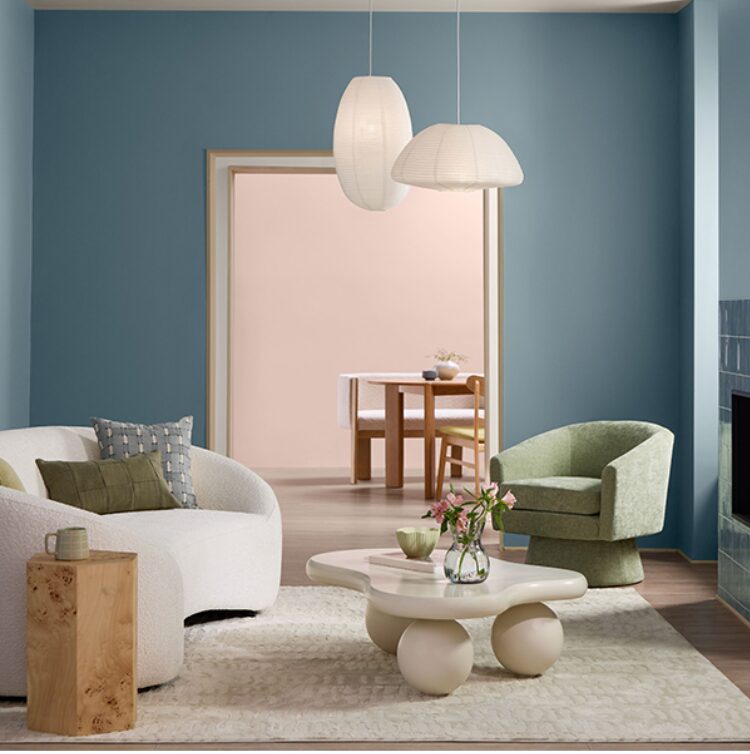
Forget harsh lines and rigid silhouettes. Curved furniture like rounded sofas, circular coffee tables and wavy mirrors is making a strong comeback. These soft shapes evoke a cozy, inviting vibe while adding a distinctly retro feel. A curvy accent chair in a vibrant velvet can be the perfect mix of comfort and statement-making.
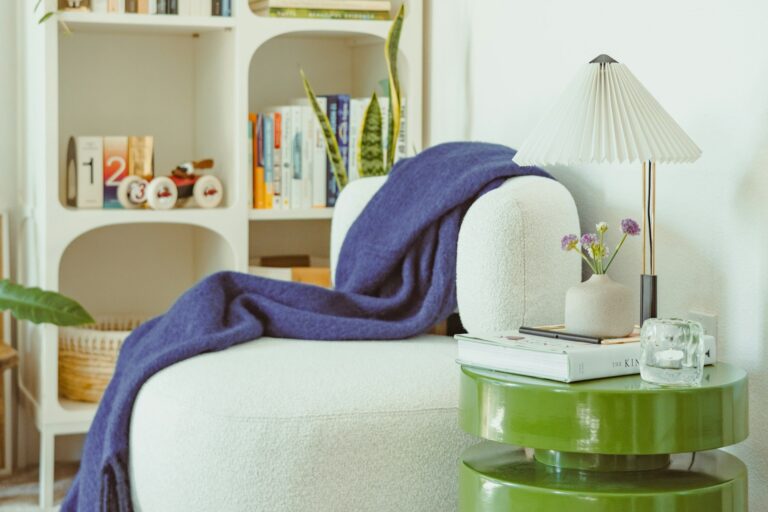
Rounded edges feel more comforting. They help break up boxy spaces, adding flow and softness to a room. Look for arched headboards, pill-shaped ottomans and even wavy shelving to give your space that gently retro feel without going overboard. Curves also help larger furniture feel lighter.
While wallpaper is having a moment, and retro-inspired patterns are leading the trend, walls and floors are introducing a vintage personality. Checkerboard tile, colorful subway tile, terrazzo and bold geometrics reference classic retro interiors while fitting comfortably into modern homes. Tiles remain a valuable addition, with 25% of renovations targeting bathroom spaces where tiled surfaces are the focus.
If you’re unsure where to start, try a small accent wall or update the powder room or laundry with a backsplash of color and curve. Peel-and-stick wallpaper also makes it easier to test bold prints before making a permanent decision.

Few trends have remained as popular as midcentury modern furniture. Clean lines, tapered legs and teak wood never go out of style. A midcentury credenza or a classic Eames-style chair fits seamlessly into nearly any space, grounding your design with functional beauty. You don’t have to recreate a 1960s living room, just sprinkle in a few key pieces.
Consider proportion and material. A low-slung wood media console with sliding doors is both stylish and practical. Pair it with a sculptural floor lamp or a leather lounge chair with angled arms. Midcentury design works best when it’s not fighting with too many other styles, so let it shine on its own or as the anchor in a more electric space.
Think of lighting as the jewelry of the home, and retro lighting is all about drama. Look for globe pendants, Sputnik chandeliers and funky lamps with oversized shades. Brass and smoked glass finishes add a vintage flair while still feeling current. One statement piece can shift the whole tone of a room, and add a light-emitting diode (LED) light fitting to cut back on electrical costs.
Retro doesn’t mean neon. Use colors you might not see in modern homes, like burnt orange, avocado green, ochre and rich browns. These muted, nature-inspired shades bring warmth and comfort. Pair them with natural materials like wood, leather and rattan for a grounded, lived-in look that doesn’t feel overly styled.
These colors have a way of making a space feel rooted and soulful. They work especially well in relaxed spaces, like bedrooms and living rooms. Use them on walls, upholstery or kitchen cabinets. If you’re not sure where to start, add a few throw pillows or an eco-friendly and spill-proof rust-colored area rug to test the waters.
The biggest mistake people make with retro decorating is trying to recreate an entire decade. Homes feel much more inviting when vintage influences support your style rather than define every surface. So while velvet is a definitively period fabric, you can use it sparingly and still achieve a stylish look without it looking like Austin Powers dressed your space. Consider vinyl for covering barstools and beanbag chairs.

Aim for a room that’s roughly 80% contemporary and 20% retro. Modern flooring, lighting and architecture can balance a tastefully displayed record player or a few vinyl records. Vintage-inspired pieces provide personality. The balance prevents a room from feeling like a movie set while allowing special pieces to stand out.
Consider adding conversation starters that provide instant charm to shelves and sideboards. Don’t just throw these items into a space — curate them. Create a mini “listening corner” with your record player, a small console and a cozy chair. Or dedicate a shelf to vintage finds, mixing in some books, framed photos or candles for a layered, intentional look.
Old-school posters, abstract 70s art and pop culture prints can really bring a space to life. Framed in walnut or gold-toned metal, they elevate the area without looking too serious.
You can use a gallery wall to tell a story. Combine vintage album covers, retro typography prints and modern photography to reflect your personality. Don’t be afraid to go bold with size, either. A large-scale 60s-style graphic print can bring character to a hallway or dining area.
Don’t try to recreate a museum exhibit. Blend retro pieces with modern touches. A sleek modern sofa next to a vintage side table is a great balance. A gallery wall that mixes old album covers with contemporary photography also works well. Balance is key.
Think of retro as your accent, not the entire theme. Use vintage furniture or decor as punctuation marks or focal points that make your space feel unique and crafted. Retro is all about taking the best parts of the past and reimagining them for today. It’s an ideal way to keep things functional and also nostalgically fanciful.
Note: This article was first published on August 4, 2025, and was revised on June 29, 2026 to reflect the most current information.