


We are reader-supported. When you buy through links on our site, we may earn an affiliate commission.
Feeling stressed, stuck in a rut or simply looking for a new hobby? Garden therapy might be just what you need. Whether you’re a seasoned green thumb or just dipping your toes into the soil for the first time, this rewarding hobby can improve both your physical and mental well-being. Here’s how garden therapy works, why it’s good for you and how to get started.
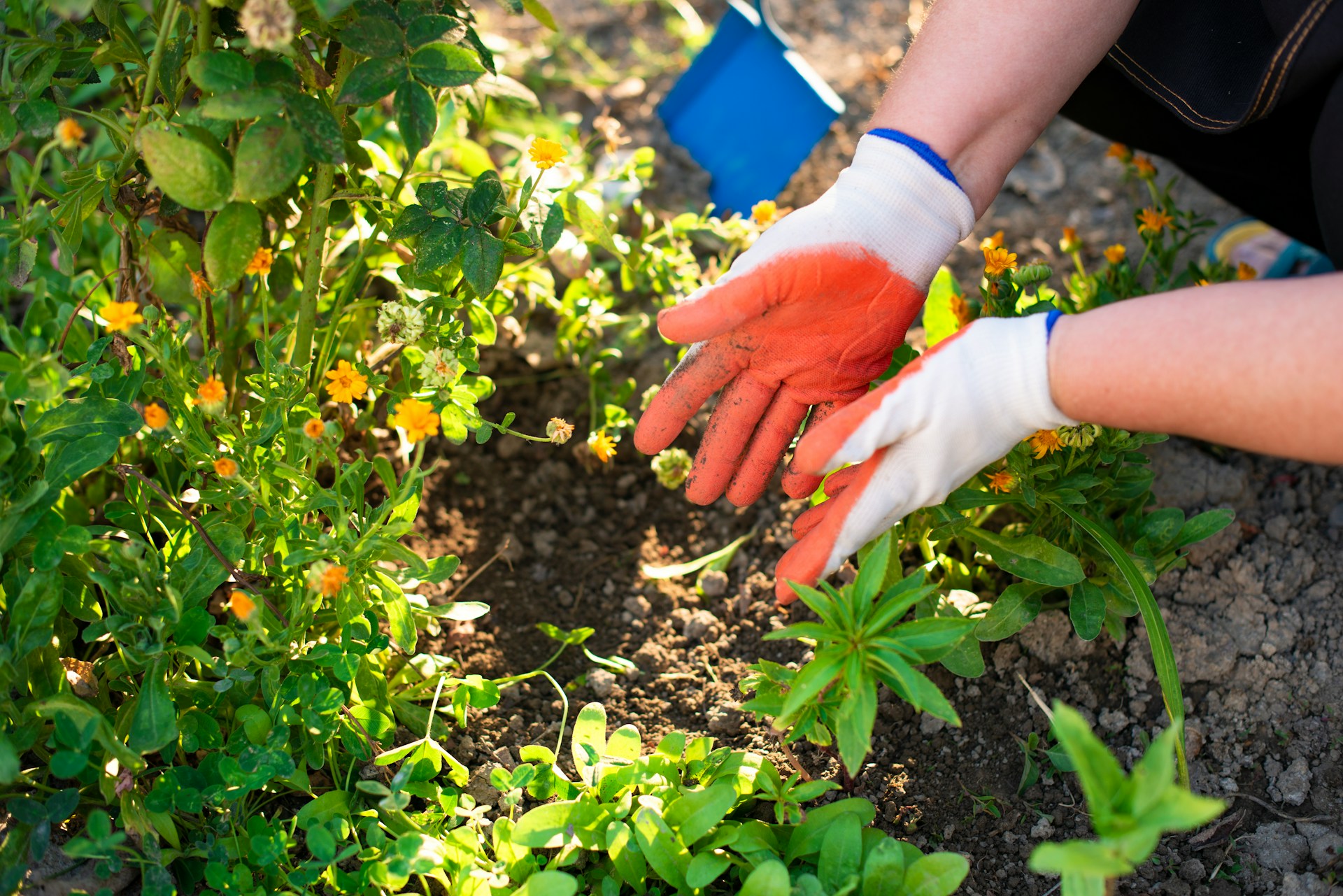
Gardening therapy, also known as horticultural therapy, combines gardening activities with therapeutic and rehabilitation techniques to support overall well-being. Although trained professionals lead formal holistic therapy, many of its principles can be enjoyed at home through everyday gardening.
The therapy offers plenty of benefits. A 2024 study found that horticultural-based therapies improved well-being and quality of life in both the general population and people with additional health or social needs.
The idea of using gardens to support health is far from new, though. The Mesopotamians used plants to soothe the senses, dating back to 2000 B.C. Fast forward to 500 B.C., and the Persians took it up a notch by creating gardens that delighted all the senses.
Recognition of gardening’s therapeutic value in the U.S. began in the early 1800s. Dr. Benjamin Rush — hailed as the “Father of American Psychiatry” — wrote in 1812 that gardening helped psychiatric patients recover. This idea caught on, and psychiatric hospitals across the U.S. started incorporating gardening into their programs.
Gardening therapy can support your well-being in several ways. Here’s a quick overview of the five benefits.
|
Health Benefit |
How Gardening Helps |
Getting Started |
|
Promotes healthy eating |
Encourages eating more fresh produce and supports a balanced, nutrient-rich diet. |
Plant an herb or produce and use it in one meal this week. |
|
Enhances physical fitness |
Keeps you moving, supporting strength, flexibility and heart health. |
Set a 15 to 30-minute timer for weeding, watering, planting or pruning. |
|
Improves cognitive function and mental health |
Engages the mind, supports emotional well-being and can help reduce stress. |
Choose one small planning task, such as tracking watering days. |
|
Increases time in nature |
Provides regular time outdoors, which can improve immunity and wellness. |
Spend a few minutes outside to notice the sights, scents and sounds around you. |
|
Fosters social connections |
Creates opportunities to meet others, reduce loneliness and build a sense of belonging. |
Visit a community garden, gardening club or plant swap to meet other growers. |
Now that you’re familiar with garden therapy and its roots, explore five ways it can positively impact your health and wellness, empowering you to cultivate a happier, healthier life.
When you grow your own fruits, vegetables and herbs, you’re more likely to include fresh produce in your meals because it’s readily available and rewarding to harvest. This may help explain why studies have found that community gardeners tend to eat more fruits and vegetables and report better overall health compared with non-gardeners.
Growing your own food also lets you choose what goes into your garden, which gives you more control over how your produce is grown. Plus, growing a mix of different plants means you can get a variety of vitamins, minerals and nutrients. This supports the American Heart Association’s recommendation to make fruits and vegetables a major part of your daily diet, with about half your plate filled with produce.

Did you know that light gardening for an hour can help you burn 330 calories? This activity can add more movement to your routine. Unlike structured exercise, gardening seems more like a productive hobby. You’ll be focused on the task at hand, and before you know it, you’ll have spent an hour moving without it feeling like exercise.
Tasks like digging, planting, weeding and watering require various types of movement, which contribute to better cardiovascular health, muscle strength and flexibility. The more you do it, the more it improves mobility and keeps your body more engaged.
Gardening keeps your mind engaged. Planning where to place plants, learning how to care for them and solving problems such as pest control or changing weather conditions all require focus and creativity. A long-term study that followed participants from childhood into older adulthood found that people who still gardened at age 79 had better thinking and memory skills than those who never gardened.
Gardening can also support emotional well-being. Research has linked gardening activities with several mental health benefits, including:
Gardening even gave Singapore residents a vital boost to mental resilience during the stressful COVID-19 pandemic. It offered them a therapeutic escape and a way to cope with the uncertainty and anxiety of the times.
Spending time outdoors while gardening exposes you to sunlight, which is a natural source of vitamin D. This vitamin is essential for bone health, immune function and cell growth. Research also indicates that higher vitamin D levels may slow or prevent cancers, such as colorectal and bladder cancer. However, it’s crucial to balance sun exposure with skin protection to prevent overexposure to UV rays. Remember to apply sunscreen daily.
Being around nature may offer additional benefits, too. Trees and other plants release natural compounds called phytoncides, which can support the activity of natural killer cells — fast-acting white blood cells that destroy diseased and infected cells. These are part of the body’s defense system against germs

Gardening can be a social activity, especially if you participate in local gardens or gardening clubs. These shared spaces are a comfortable place to build friendships and feel part of a community. Research suggests that community gardening can help reduce loneliness and social isolation, particularly among vulnerable groups, by creating regular opportunities for social interaction and support.
Starting gardening therapy is easier than you might think. Whether you have a sprawling backyard or a small balcony, gardens can adapt to fit any space and skill level. The key is to start simple, stay consistent and enjoy the process. Follow these simple steps to begin.

You don’t need a large yard to start gardening. Urban gardeners can use balconies, rooftops or community garden plots. Container gardening is also an excellent option for small spaces.
Choose plants that suit your climate, space and gardening experience. Starting with low-maintenance varieties can help you build confidence before moving on to more challenging crops. If you’d like to grow fruit, tomatoes are among the easiest and most rewarding plants.
Other great options include:
|
Plant |
Why It’s a Good Choice |
Common Uses |
|
Basil |
Fast-growing and forgiving |
Pasta, salads and pesto |
|
Mint |
Hardy and grows well in pots |
Tea, drinks and desserts |
|
Lettuce |
Quick to harvest |
Salad and sandwiches |
|
Peppers |
Thrive in warm, sunny conditions |
Stir-fries, grilling and salads |
Invest in essential gardening tools like gloves, trowels, pruners and a watering can. Having the right tools makes gardening tasks more efficient and enjoyable.
Garden therapy doesn’t have to take up your entire weekend. Even 15 to 30 minutes a day is enough to water plants, pull weeds, harvest herbs or simply enjoy being outdoors. As your confidence grows, you can gradually take on larger projects or try growing new varieties.
Gardening is a continuous learning process. Utilize resources like books, online tutorials and local gardening clubs to expand your knowledge. Don’t be afraid to experiment with different plants and techniques.

Join a gardening group or community garden to share experiences, tips and support. Gardening with others could enhance motivation and enjoyment.
While gardening, take time to appreciate the sights, smells and sounds of your environment. Practicing mindfulness can enhance the therapeutic effects of gardening.
If you still have questions about gardening therapy, below are some commonly asked questions.
Yes. Research has consistently linked gardening with reduced stress, anxiety and symptoms of depression. Plus, spending time outdoors, engaging in gentle physical activity and caring for living plants all contribute to improved emotional well-being.
Not at all. Container gardens, raised beds, balconies, patios and sunny windowsills can provide many of the same therapeutic benefits.
There isn’t a perfect schedule. Gardening for 15 to 30 minutes several times a week can provide physical activity, relaxation and opportunities to practice mindfulness.
Herbs such as basil, mint and parsley are great starting points, as well as lettuce, radishes, tomatoes and peppers. These plants are relatively easy to grow and provide rewarding harvests.
There are so many physical, emotional and mental health benefits to garden therapy. No matter where you reside, you can apply garden therapy ideas and cultivate a space tailored to your lifestyle. All you need is a little creativity and determination to get started.
Note: This article was first published on December 31, 2024, and was revised on August 4, 2026, to reflect the most current information.