


We are reader-supported. When you buy through links on our site, we may earn an affiliate commission.
Opening my closet door felt like bracing for an avalanche. Clothes I’d forgotten about spilled from overstuffed shelves, hangers tangled together in a chaotic knot, and that favorite sundress I swore I owned? Buried somewhere in the mess, probably wrinkled beyond recognition. Every morning started with the same frustrated hunt through piles of clothing declutter chaos, and I knew something had to change.
The disaster didn’t happen overnight. Years of impulse purchases, sentimental T-shirts and clothes with tags still attached transformed my once-organized space into an overwhelming mess. I felt guilty every time I opened those doors, knowing I wore the same five outfits while dozens of perfectly good pieces gathered dust.
That guilt wasn’t just in my head. Psychological research shows that physical clutter in our living spaces can cause stress and anxiety, affecting our mental well-being. My overstuffed closet was a daily reminder of things I’d bought but didn’t need and a general lack of control over my space.
I’d tried traditional closet organization tips before — the “one in, one out” rule, seasonal rotations, even the viral hanger trick. Nothing stuck. The problem felt too big to tackle gradually, and I needed a solution that matched the scale of my declutter closet crisis.
Enter the Chaos Method, a decluttering approach that sounds completely counterintuitive. The core concept? Make an enormous mess to create lasting order. When I first heard about it, I was skeptical — why would I intentionally make things worse?
Professional organizer Kim Jones popularized this method, and it has gained traction among people drowning in stuff. The idea is simple but dramatic: pull everything out, create one massive pile and force yourself to make decisions about each item before putting anything back.
However, organizing expert Cassandra Aarssen describes having a “love-hate” relationship with the approach. She notes that the method tends to be most effective for those with tidy homes — people who keep surfaces clean but have neglected the spaces behind closed doors. That described me perfectly.
I blocked off an entire Saturday afternoon, put on an energizing playlist and committed to seeing this through. The process was intense, messy and surprisingly effective.
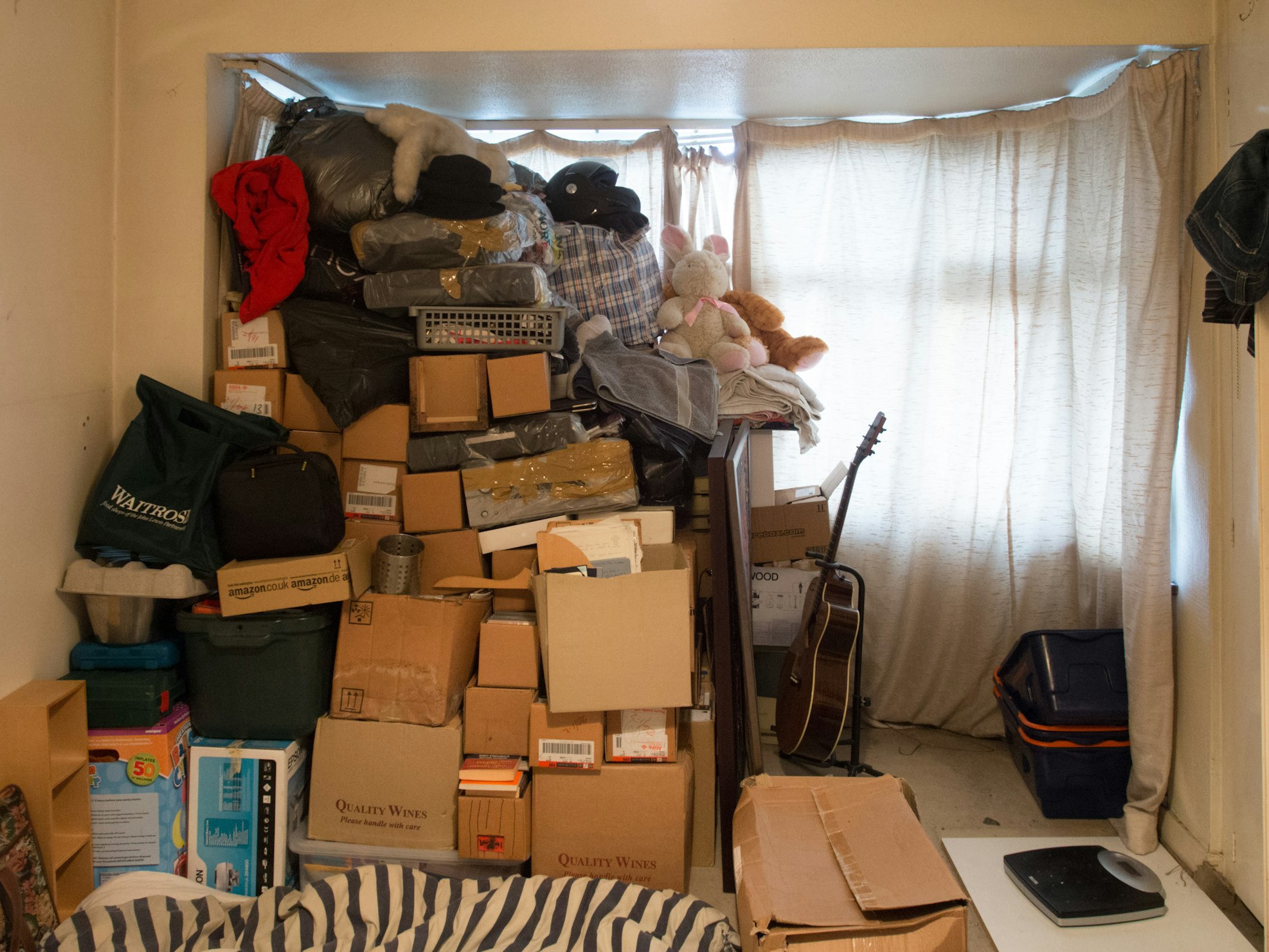
I started by yanking every single piece of clothing from my closet and tossing it onto my bed. Dresses, jeans, swimsuits, workout clothes — everything came out. Within 20 minutes, my bed disappeared under a mountain of fabric. Seeing the sheer volume of clothes I owned laid out in one giant pile was genuinely overwhelming.
That “no turning back now” feeling hit hard. I couldn’t sleep with a bed full of clothes, and I couldn’t shove everything back without addressing the problem. The Chaos Method had successfully cornered me into action, and building a minimalist wardrobe suddenly felt less like a trendy goal and more like a survival necessity.
I set up three designated areas: keep, donate and toss. Then I worked through the pile quickly, making snap decisions. The key was not overthinking. If I hesitated for more than five seconds, it went into the donate pile.
Shorts I hadn’t worn in two summers? Donate. The sweater with a mysterious stain? Toss. Anything that didn’t fit, flatter or spark genuine excitement got removed. This was the perfect time to purge things you no longer need and create space for pieces I actually loved.
By the end, my donate pile was embarrassingly large. I’d been holding onto clothes out of guilt or some vague sense that I might need them someday. The Chaos Method forced me to be honest about what I actually wore.
With only my “keep” items remaining, I could finally put things back in a thoughtful, organized way. I grouped similar items together — all tank tops in one section, dresses in another, workout gear in its own spot. Everything had a clear home.
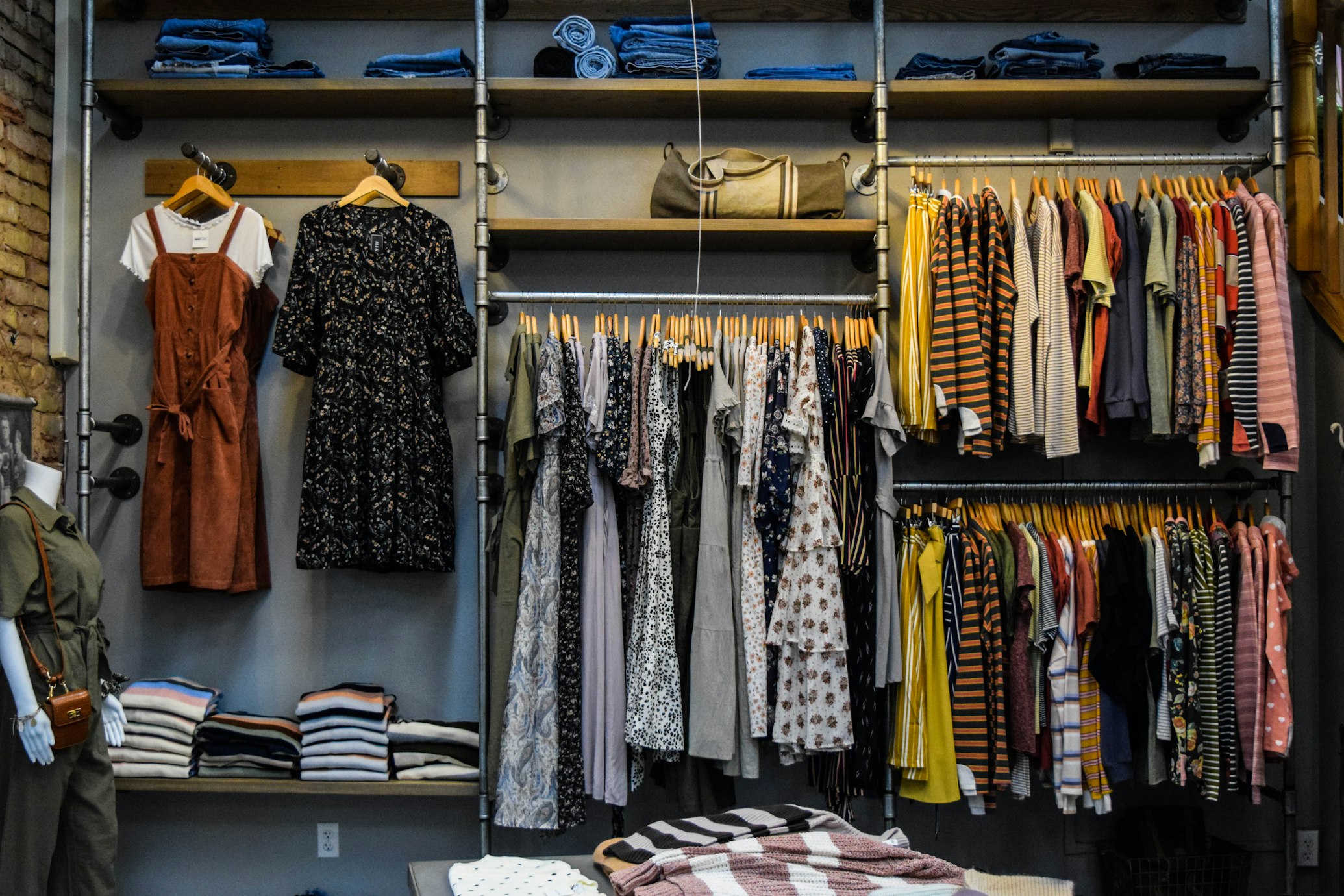
The satisfaction of seeing my closet transform from a chaotic nightmare to a clean, functional space was incredible. I could see every piece I owned, pull outfits together easily and start each morning without frustration. The visual clarity translated directly into mental clarity.
After trying gentle, incremental approaches for years, this intense, all-at-once method succeeded where others failed. The psychology behind it makes sense. When you declutter gradually, it’s easy to avoid hard decisions and maintain the same cluttered patterns.
The Chaos Method eliminates that escape route. When everything is piled in front of you and you cannot move forward without addressing each piece, you’re forced to confront the full scope of your possessions. That confrontation creates real change. It became my closet clean-out method of choice because it matched the intensity of the problem I was trying to solve.
The method also creates a clear before-and-after moment. There’s no ambiguity about progress. You either dealt with the entire pile or you didn’t, and that binary structure kept me motivated.
If you’re inspired to try this clothing declutter method yourself, here are the lessons I learned the hard way:

Three months after my Chaos Method closet makeover, I still feel a rush of satisfaction every time I open those doors. Getting dressed takes minutes instead of stressful quarter-hours, and I actually wear the clothes I own instead of forgetting they exist.
The mental clarity that came with the physical organization surprised me most. That constant low-level anxiety about my messy closet disappeared, replaced by a sense of control and intentionality. I know exactly what I own, what I need and what actually brings value to my daily routine.
If your closet feels overwhelming and traditional organization tips haven’t worked, the Chaos Method might be exactly the dramatic reset you need. Yes, it’s intense. Yes, it requires dedicated time and effort. But the transformation — both physical and mental — makes every minute worth it.