
We are reader-supported. When you buy through links on our site, we may earn an affiliate commission.
Designing a home for both humans and pets means more than tossing a dog bed in the corner. Whether you’re a homeowner trying to protect your flooring from scratch marks or a real estate agent advising a pet-loving client, getting the layout and materials paw-proved makes all the difference to a pet-friendly house.
Here’s how to create an abode that provides space for two- and four-legged inhabitants while remaining safe, clean and happy.
Use materials that can handle claws, fur, accidents and the occasional zoomie episode. Avoid delicate finishes and opt for durable, washable and scratch-resistant surfaces wherever possible.
Creating a pet-friendly house means scanning every nook with a new lens, as you would when bringing a human toddler home. You want to eliminate hazards while making everyday life easier for everyone.
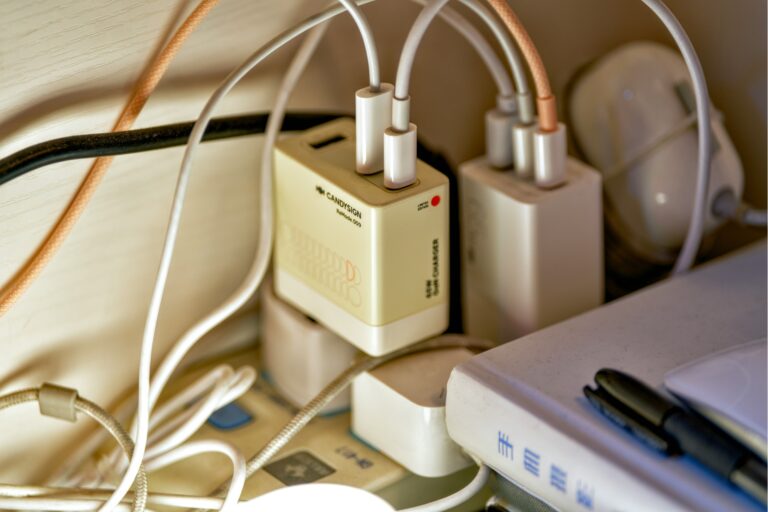
Secure cabinets with childproof locks to keep cleaning products and medications out of reach. Use cord covers or conceal them inside walls or conduit pipes to prevent chewing. Prevent your floofer from turning into Superman with secure screens and safety netting on balconies or upstairs windows. Even cats with the best balance can slip.
A well-built fence at least six feet high is a must if you have a yard. Double-check that there are no gaps or escape points, especially if you aren’t always home or your dog loves jumping.
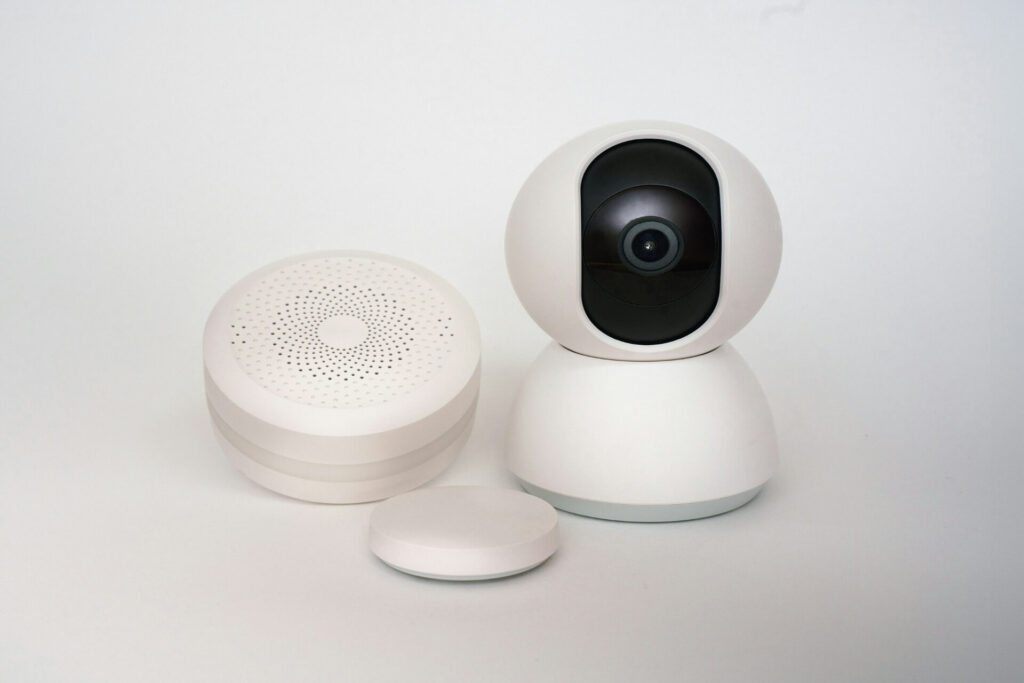
Pet-friendly houses can also be tech-savvy — just hide the cables and remote controls. Smart home systems aren’t just for keeping burglars out — cameras and other monitors can help you keep an eye on your furry family while you’re away.
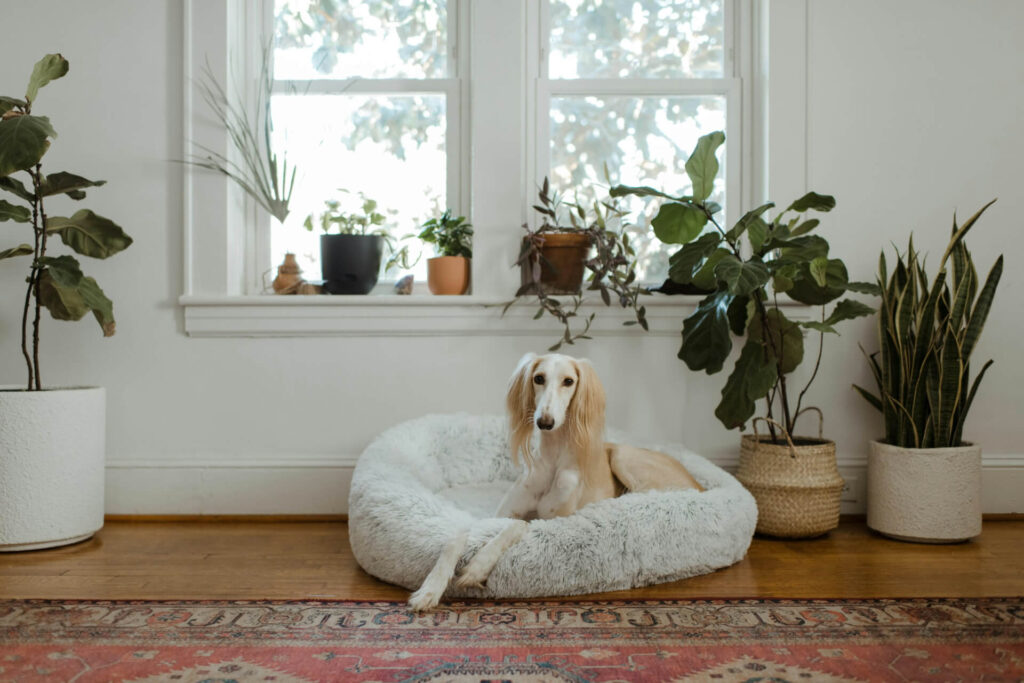
Pets thrive on structure, and a designated space fosters calm, especially during stressful events like thunderstorms or fireworks. Crate zones are a safe space or make a cozy den in a low-traffic corner using soft, washable materials. Some designer crates also double as furniture items, such as side tables or benches.
A planned pet nook is practical and makes for happy pets. Locate the feeding and watering stations in laundry rooms, mud rooms, or under-the-stairs cubbies, especially for your paw buddies. Combine these with sleeping spots with their day bed or nap pad. Locate these in low-traffic areas so there’s less risk of tripping over a water bowl or spilling the dried dog kibble.
Consider cats with climbing shelves, window perches or tall towers to keep them stimulated and off your countertops. Sliding pet doors and gates help separate your fur buddies during feeding time so they can eat peacefully without competition. It also lets you keep them secure if you have visitors who are allergic or don’t like pets or if the cable technician is there and Fido doesn’t like them.
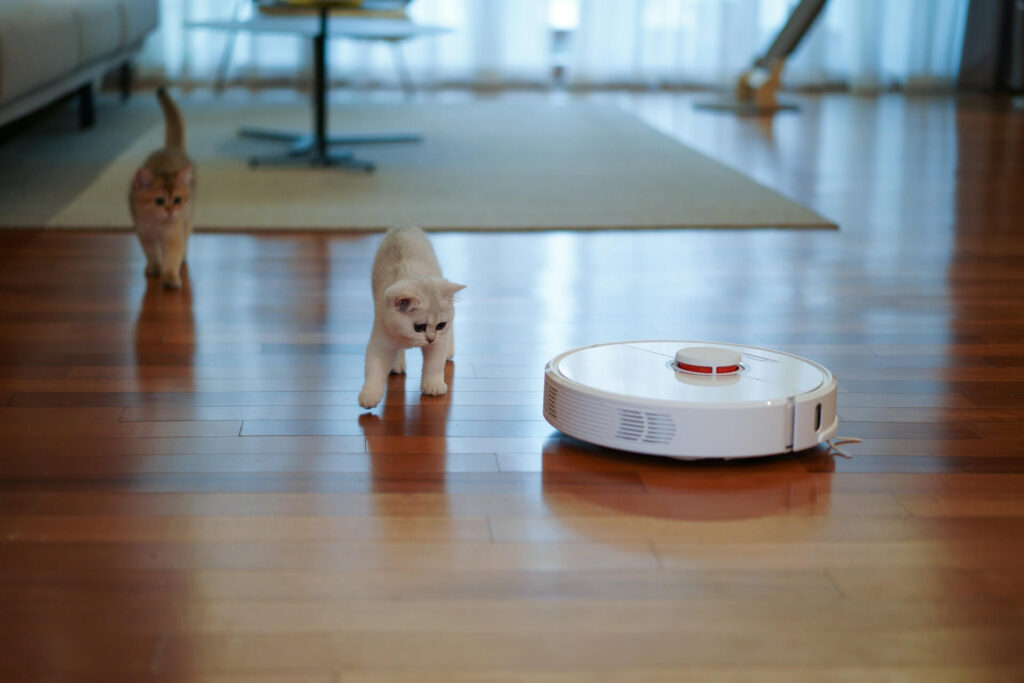
Any pet, whether on best behavior or with the highest pedigree, will drool, shed and occasionally have accidents. A hygiene-friendly home design makes life easier and keeps your property looking great for guests or future buyers.
Invest in a high-powered vacuum system with a high-efficiency particulate air (HEPA) filter. HEPA filters minimize environmental pollutants by 99.97% in your home and remove dander, dust, pollen and other microscopic organisms from your space as you clean. If you have the space, create a dog-washing station, which preserves your bath and saves your back. A handheld sprayer with nonslip flooring is a great choice.
Store pet cleaning supplies strategically, including clean rags to dab at spills on carpets and upholstery, enzyme-based cleaners and spray bottles with a little baking soda and vinegar for spot treatments. Wipes and lint rollers can round out your cleaning collection, and no pet household should be without these.
Durable, nonslip runners and mats in the transition zones between rooms can prevent slip-related spills and breakage. These can help keep pets on their paws when they have zoomies or rush outside.
Hard-surface flooring like tile or luxury vinyl plank is best for animals in your house or apartment. These resist scratches and accidents and are easy to clean with less risk of staining. Avoid carpets and softwoods, which are easily damaged.
Use washable rugs, regularly clean upholstery and vacuum with a HEPA filter vacuum cleaner. Add an air purifier and use enzymatic cleaners to neutralize odors at the source. Regularly bathing your pets also helps with shedding and smells.
Smart cameras, thermostats and motion sensors let you monitor your pets while away to ensure they remain safe and comfortable, especially when you’re away from home often.
Install pet-alert window decals to inform first responders of any animals inside your home. Keep leashes, carriers and emergency kits near exits, and consider smart alarms that notify you via phone when you’re not home.
Many modern systems offer pet-immune motion sensors that ignore animals under a certain weight or size. You can also set up cameras with facial recognition to alert you to intruders without triggering false alarms.
Designing a pet-friendly house doesn’t mean compromising on comfort or style. With the right surfaces, safety measures and smart layout, you can enjoy a cleaner, calmer and cozier space for you and your pets. Whether you’re planning a new build, renovating or helping clients visualize their future home, keeping fur babies in mind from the start makes all the difference.