New Neighbors Moved in and Have Been Using My Assigned Parking Spot for Weeks. What Can I Do?


We are reader-supported. When you buy through links on our site, we may earn an affiliate commission.
When new neighbors move in, the last thing you expect is to lose your own parking spot. Yet it happens often in apartments, condos and shared residential communities. This leaves tenants frustrated and unsure what action is actually allowed. Before the situation escalates, there are clear steps you can take to protect your assigned space. Here’s how to handle it calmly, legally and effectively.
1. Confirm It’s Actually Your Assigned Space
Before taking action, make sure there’s no confusion about whether the spot truly belongs to you. Check your lease, HOA documents, move-in packet or building handbook to confirm the exact stall number assigned to your unit. Some communities label their parking as “reserved,” “assigned,” or “first-come, first-served,” and each carries different rules for enforcement.
If your documentation is unclear, ask your property manager or HOA board for written confirmation. It’s also worth reviewing the community parking map or signage to ensure numbering hasn’t faded or changed over time. Getting this clarity upfront avoids misunderstandings and gives you the evidence you’ll need if the situation escalates.
2. Start With a Polite Conversation or Note
Once you’re certain the space is yours, your next move should be a calm, friendly approach. Considering that as many as one in six Americans doesn’t know any of their neighbors’ names, it’s important to remember you’re likely introducing yourself for the first time. In many cases, new neighbors simply misread the parking layout or assumed the spot was open.
A quick, face-to-face conversation can clear things up before frustration builds. Keep your tone neutral. Explain that the stall is formally assigned to your unit and you rely on it daily.
If you struggle to catch them in person, leave a short, polite note under their door or on their windshield. Include the space number, reference your building’s assigned parking policy and kindly ask that they avoid using it going forward. Most neighbors respond well to a courteous heads-up, especially if they’ve just moved in and are still settling.
As Stuart B. Wolfe of Wolfe & Wyman LLP notes, it’s best to start with a non-confrontational approach. He advises, “The best way to resolve this is to send a polite letter… to the landlord, or the management company… it’s always better to try to resolve a dispute informally, before resorting to legal proceedings.
3. Document Every Incident Early
If the problem persists, begin gathering evidence immediately. Snap photos of the vehicle in your spot, making sure the license plate and space number are visible. Log the date and time of every occurrence and keep a simple timeline of any conversations or notes you’ve already attempted.
Property managers and HOAs typically rely on this kind of documentation to verify patterns and take enforcement action. Clear records help demonstrate that the issue is ongoing — not a one-time misunderstanding — and protect you if the dispute escalates or if authorities need to get involved.
4. Try an Indirect First Step If You Can’t Speak Face to Face
If your neighbor is never home when you are or you’d prefer to avoid a potentially awkward conversation, there are softer ways to communicate the issue. Start with a brief note slipped under their door or a friendly message through your building’s online resident portal. Keep it short, factual and non-accusatory.
A simple, “Hi! I think there may be some confusion about parking. Spot #___ is assigned to my unit. Could you please avoid using it? Thank you!” goes a long way. If you rent a single-family home or duplex, sending a message to your landlord can also help relay the concern without direct confrontation.
Maintaining a calm tone here sets the foundation for smoother escalation if the behavior doesn’t change. It also shows management you made a genuine effort to resolve things peacefully.
5. Contact Management or Your HOA If the Problem Persists
If friendly attempts haven’t worked, it’s time to involve the individuals responsible for enforcing parking rules. This is often the most effective step, as an HOA’s primary role is to enforce community rules and act as a mediator in neighbor-to-neighbor conflicts. Their authority comes from the community guidelines that every resident agrees to, which gives them the power to issue formal warnings and levy fines for violations.
Email your landlord, property manager or HOA board with all the details, including:
- Photos of the car in your spot
- Dates and times of each incident
- A summary of the steps you’ve taken to resolve it
- Your assigned parking number
- Any relevant excerpts from your lease or HOA handbook
Management can issue warning notices, send community reminders, verify whether the neighbor has the correct parking permit and check for previous violations. In many cases, a formal notice from the office is all that is needed for the behavior to stop.
HOAs may also impose fines or penalties based on community rules, depending on the state or province in which you reside. Insert your HOA or property-management expert quote here for added authority and clarity.
When you contact management, it’s helpful to have your evidence organized and ready. As founding lawyer Mario Serralta of Abogado Mario explains, “The next best action to take would be to ask them for WRITTEN CONFIRMATION that said space is assigned to you… DOCUMENT dates and TAKE PICTURES, not as means for escalating things further, but an attempt to have records in place should management decide that they need to intervene
6. Understand What Management Can Do About Unauthorized Parking
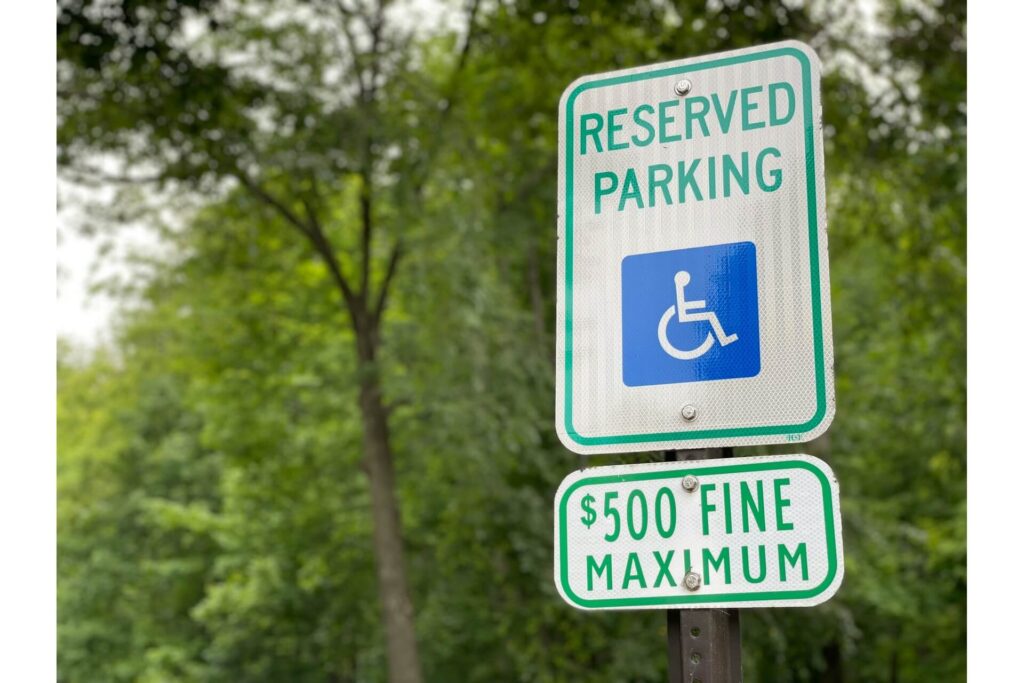
Different living communities offer varying enforcement tools, but most have a clear protocol for addressing unauthorized vehicles. Property managers and HOAs can:
- Issue written violation notices
- Require or replace parking permits/decals
- Add or update signage
- Track repeat offenses
- Enforce towing policies, if legally permitted
This structured approach to rule enforcement is a key reason why single-family homes in HOA-governed neighborhoods sell for 4% more on average. This protects the value of the entire community.
In some regions, towing isn’t allowed unless specific signage is posted or residents have been formally notified. Apartments, condos and HOA-governed neighborhoods may have different authority levels. Because of this, it’s important to understand what your building is empowered to do.
Knowing the range of enforcement options helps you set realistic expectations. It also ensures you request the right next step when speaking with management.
7. If Management Is Unhelpful, Escalate Strategically
If your emails go unanswered or the issue keeps happening despite repeated complaints, it may be time for a higher-level escalation. Begin by requesting written confirmation that your report has been received. This creates a timestamped paper trail that’s useful if the dispute intensifies.
Refer back to the relevant parking clause in your lease or HOA rules and politely ask management to clarify how they plan to enforce it. If you live in an apartment complex, you can contact the regional property manager. If you’re in an HOA community or a housing co-op — a much less common type of community governed by a board — reach out to the board or the designated compliance officer.
For ongoing disputes, mediation services or community conflict-resolution programs can be helpful when tensions escalate. This is also an ideal place to incorporate a quote from a tenant-rights expert or HOA attorney, explaining what to do when enforcement stalls.
Before pursuing legal action, it’s wise to consider the practical costs. Attorney Dave Wolkowitz of The Wolkowitz Law Office suggests weighing the potential outcome against the effort. He states, “Though a legal dispute might be ‘winnable,’ that doesn’t mean the cost is worth it… though people often like the idea of winning litigation, they are often better off by moving on in life by finding another path forward.”
8. Can You Call Local Authorities?
Whether you can involve law enforcement often depends on the laws in your city or province. In many locations, police don’t intervene in conflicts over private residential parking unless the vehicle is blocking emergency access, a fire lane or a public roadway. However, if your spot is part of a regulated permit system or your city enforces parking rules on private lots, local authorities may be able to help.
It’s best to check your local bylaws before calling police or parking enforcement, as some jurisdictions offer non-emergency reporting lines for recurring violations. Keep in mind that authorities may direct you back to management if the space is on private property, so exhausting internal steps first is usually the most efficient and least stressful approach.
Parking Spot On
Reclaiming your parking spot doesn’t have to turn into a long-term feud or a nightly game of vehicular musical chairs. With clear documentation, friendly communication and consistent follow-up, most disputes resolve before they snowball. And even if management is slow to act, you still have practical tools, such as HOA rules and local bylaws, to keep your assigned space yours. A little patience, a lot of clarity and a calm strategy can go a long way toward ensuring you and your new neighbors start off on the right foot and the right parking spot.
About The Author
Evelyn is the founder and editor-in-chief of Renovated with over 5 years of experience writing about interior design, construction, and renovation. She is a passionate advocate for improving mental health and safety in the construction industry. When she's not writing, you can find her reading at coffee shops around PA.
Her insights have resonated far beyond Renovated, gracing publications like the National Association of Realtors, Construction Executive, DecorMatters, and Renewable Energy Magazine.
For more insight on design, construction, and everything in between, you can check out Evelyn's portfolio, https://evelynlong.com/.