

We are reader-supported. When you buy through links on our site, we may earn an affiliate commission.
I didn’t think much about how my apartment felt until my therapist asked if my living space matched my mood. Honestly? Both felt a little flat. Her suggestion caught me off guard — buy some trees. Not houseplants. Trees. I thought she was joking at first, but figured I’d give it a shot. Six months later, I can’t imagine my home without my indoor trees decor.

Research has shown that indoor greenery improves mental health and well-being in measurable ways. The benefits include:
But the mental health advantages are just the beginning. Studies show that trees reduce air pollution by up to 24% and can reduce noise by more than 7 decibels. Even smaller indoor versions help create a calmer environment. If you live near a busy street or have thin walls, that noise buffering makes a noticeable difference.
There’s also something to be said for the sheer visual impact. A well-placed tree draws the eye upward and adds dimension to a room in a way that smaller plants simply can’t. All of these elements combine to form part of what designers call biophilic design. The term comes from the Greek roots meaning “love of life” and it’s centered on bringing natural elements into built environments.

Indoor trees decor choices depend entirely on your lifestyle, the room in question and how much time you want to spend caring for your new green friends. Some trees thrive on neglect while others demand daily attention. Matching the right tree to your habits makes all the difference.
|
Tree Type |
Best For |
Why |
|
Rubber Tree, Yukka, Ponytail Palm or Madagascar Dragon Tree |
Beginners and forgetful waterers |
These tolerate various light conditions and humidity levels without much fuss |
|
Money Tree |
Busy families with kids |
Resilient enough to handle the occasional bump and forgiving about irregular watering |
|
Parlor Palm |
High-moisture spaces like bathrooms |
Thrives in humidity and lower light conditions |
|
European Olive Tree, Bamboo or Bird of Paradise |
Bright and sunny rooms |
These need direct sunlight to flourish and create dramatic focal points |
|
Citrus Trees, Fiddle Leaf Fig, Majesty Palm, Weeping Fig |
Advanced gardeners with time |
These have specific requirements regarding light, humidity, temperature and soil and get stressed easily |
|
Lady Palm or Umbrella Tree |
Darker rooms or corners |
Handle low light conditions better than most other options |
|
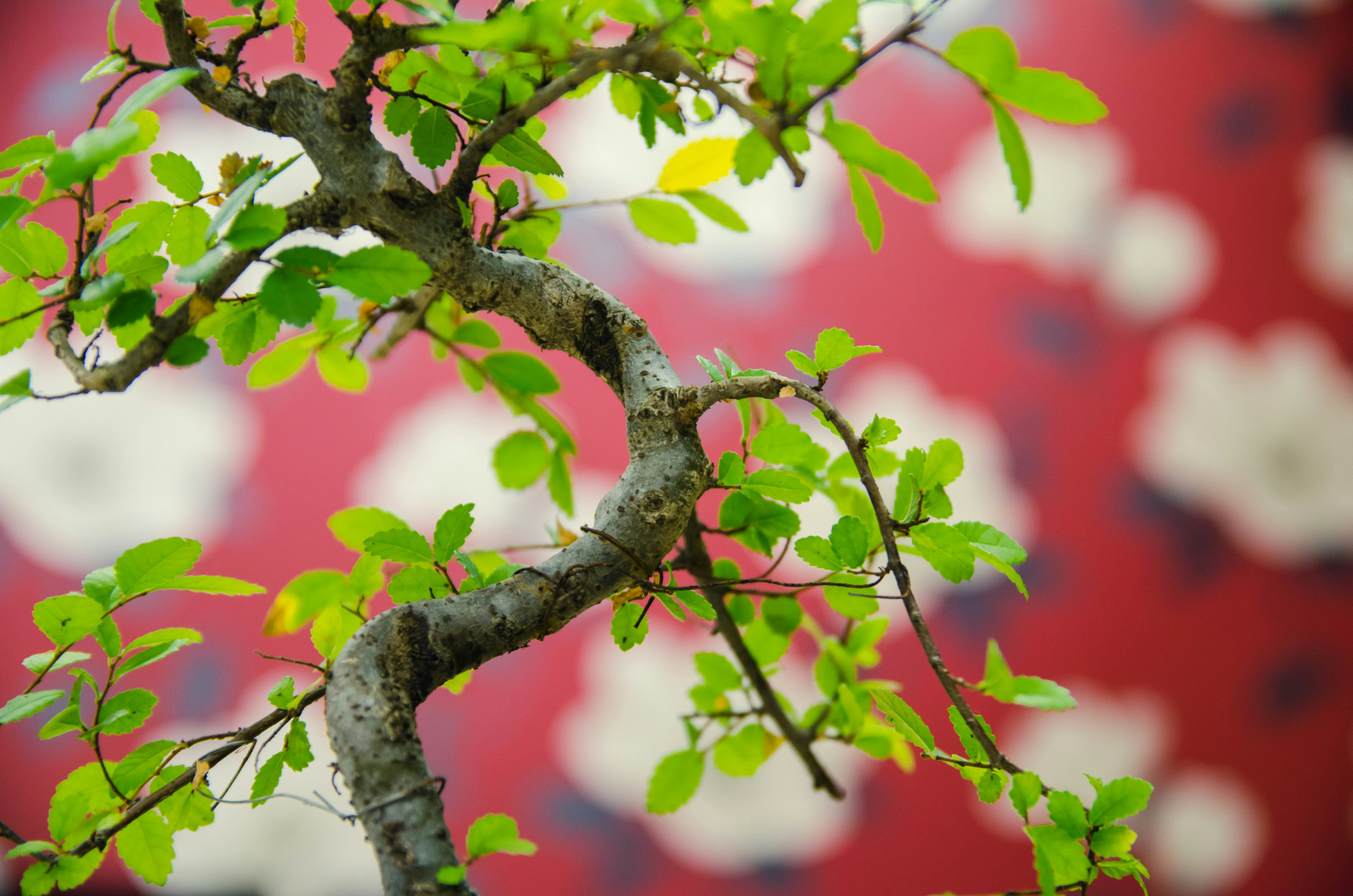
Bonsai Trees |
Small spaces |
Perfect for apartments or desks, but demand consistent attention and careful pruning |
I ended up choosing a rubber tree for my living room because I travel for work and needed something forgiving. For the bedroom, I went with a small parlor palm that seems to love the humidity from my morning showers. My friend swears by her money tree in her playroom because her toddler has bumped into it at least a dozen times and it’s still thriving.
The full-sized indoor trees you might see in museums, arboreta or malls require extensive and involved care routines and constant monitoring. The good news is that most household indoor trees are not anywhere near as difficult.

Keeping indoor trees alive is easier than you think if you master a few simple habits. The anxiety around killing plants usually comes from overthinking it.
Here are the essentials:
Caring for my trees has become one of those quiet routines I actually look forward to now. Saturday mornings, I make coffee and do a quick check of the soil and leaves. It takes maybe 10 minutes and feels less like a chore and more like checking in with something living that depends on me.

Yes, artificial trees can boost your mood. Research tells us that looking at nature, even if it’s artificial or virtual, can significantly lower your stress levels. Visual access to nature still provides mental health benefits even when the plant itself isn’t alive.
If you truly don’t want the maintenance or travel too frequently to keep a living tree healthy, a high-quality fake tree is still a valid mood-boosting decor choice. You’ll miss out on the air purification and the satisfaction of watching something grow, but the visual impact alone can shift how a room feels.
If you’re considering taking the plunge with indoor trees, you may have more questions.
Rubber trees and Madagascar dragon trees are the most forgiving options for someone new to plant care. They handle inconsistent watering and varying light conditions better than most other varieties.
Looking at and caring for indoor trees has been shown to lower stress and anxiety while improving focus and overall mood. The presence of living greenery creates a calming effect that researchers link to our natural affinity for nature.
Yes, studies suggest that even artificial representations of nature can reduce stress through visual impact alone. However, nothing quite beats the living thing. Part of the beauty comes from caring for them and watching them respond to that care over time.
Absolutely. My apartment feels different now in a way that’s hard to quantify but impossible to ignore. The air feels fresher, the light hits differently, and the space doesn’t feel as closed in as it used to. Sometimes a stale home just needs a literal breath of fresh air.
If you’re feeling stuck in a space that doesn’t quite match your energy, try adding a tree. Start with something simple and forgiving. You might be surprised by how much one living thing can shift the entire atmosphere of where you live.