
We are reader-supported. When you buy through links on our site, we may earn an affiliate commission.
Unsightly wall blemishes can ruin the aesthetic appeal of your home. At the same time, you might feel wary about potentially damaging your paint. If you’re wondering how to remove stains correctly, you’re in the right place. Discover eight effective techniques to banish stubborn stains without harming your paint job.
How to wash walls the right way? Follow these tips before you get into the dirty work:
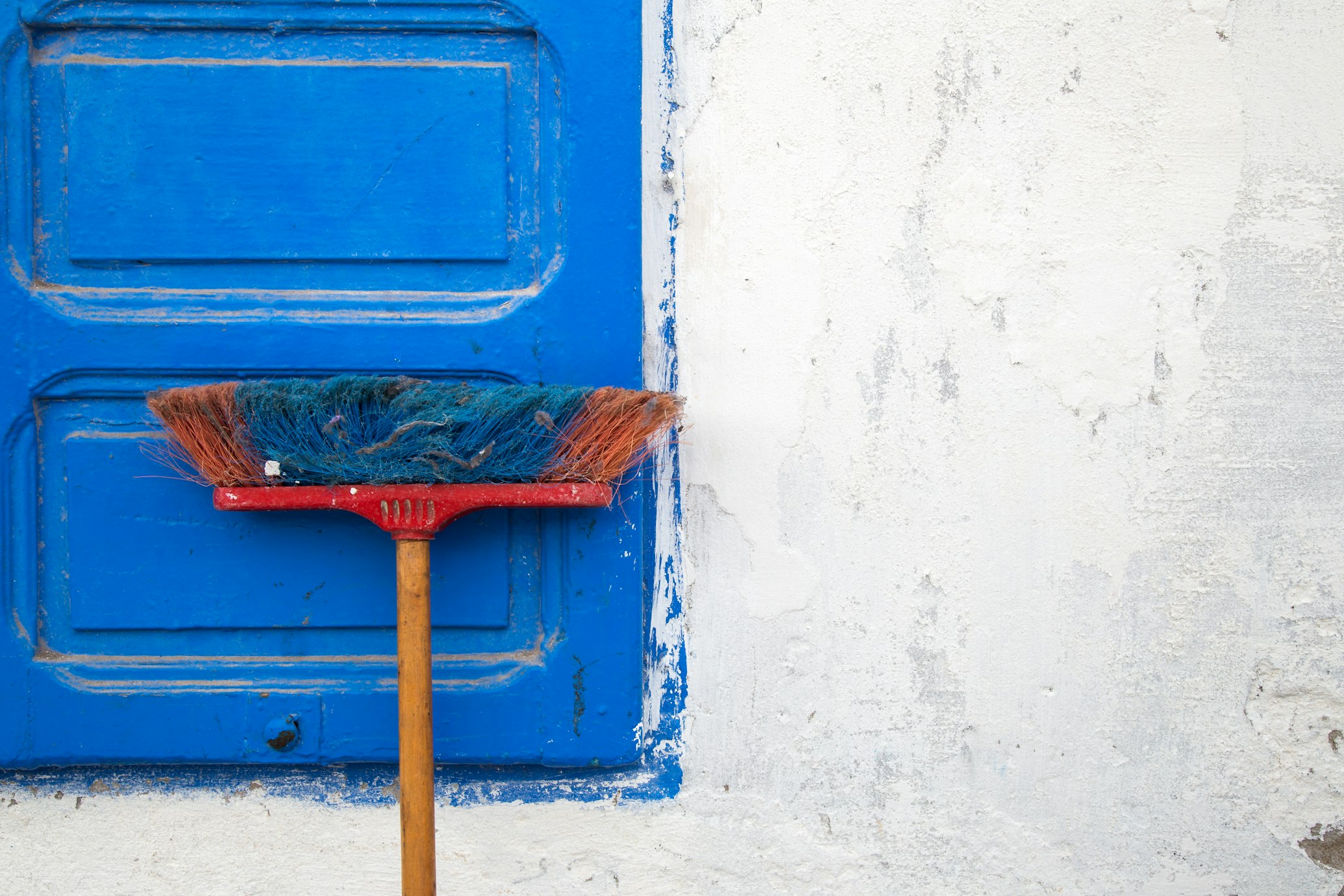
Get rid of excess dirt and dust to make stain removal easier. Use a dampened cloth on reachable areas and a soft-bristled broom for out-of-reach corners. You can also use a dust mop if you have one. This step is essential as it can help remove dirt and blemishes on the surface.
Every type needs a different kind of cleaning solution. Some common oil-based stains include crayons and grease. Water-based marks include ketchup, wine and mustard.
Before applying any wall cleaner to the stained area, test it first on an inconspicuous area of the wall. This step will help you assess the cleaning solution’s compatibility with the paint, ensuring your walls remain safe.
Determine how to remove stains best with these top eight ways to get rid of wall blemishes.
Best for: General grime
If you’re looking for a sustainable alternative to store-bought cleaning products, this one’s for you. This all-purpose cleaner is less likely to harm the surface, is environment-friendly and is easy to make. All you need are four ingredients and a spray bottle.
Best for: Loose dirt and light stains like fingerprints
You’ll need a bucket of clean water and two cleaning rags. Soak one of the rags in the water, wipe the stain, rinse the rag and replace it as needed. For more stubborn stains, mix cold water and laundry detergent, dip the rag into the mixture and use it to wipe down the walls. For drywall, rub gently to avoid damage.
Best for: Ink, crayon and grease stains
Simply mix baking soda and water to create a paste consistency. Apply the paste to the stain and gently scrub using an old toothbrush or a gentle brush cleaner. Once done, wipe off with water. If there are still marks, you can use shaving cream or a nail polish remover and rub it over the stain. This method can also help disinfect your wall, making your walls safer for your kids who enjoy touching or drawing on your walls.
Best for: Grease, fingerprint marks, mold and mildew
This method is also helpful if you have marks on high-touch surfaces, such as toilet flushes, light switches and doorknobs. However, fingerprint marks that have stayed on walls for too long may require more cleaning effort. To remove stains effectively, mix half a cup of distilled white vinegar in half a gallon of water. Spray the mixture into the wall blemishes and rinse with warm water.
Mold and mildew are also common in households. You can use this mixture to remove by dabbing this solution on the stain and then rinsing with water. These spots can cause respiratory issues, so wear a mask, launder your clothes immediately after cleaning and have proper ventilation.
Best for: Scruffs, fingerprints and crayon marks
The classic Mr. Clean Magic Eraser might just be your answer to stubborn wall stains. Saturate the cleaning eraser with water and squeeze out excess water. Use the product to make gentle swipes on your walls to eliminate stains. Avoid being too overeager to damage your paint. Wipe the area with a damp cloth once the blemishes are gone.
Best for: Soot marks and permanent marker stains
Permanent marker and soot stains are some of the most challenging blemishes to eliminate. Fortunately, a regular isopropyl alcohol might just do the trick. Simply soak a cotton ball with your regular alcohol, and then dab the stain until it’s gone. Avoid applying the stained side of the cotton on a new surface.
If this trick doesn’t work, try using hairspray on the mark. Simply spray the stain, leave it for a few seconds, and then wipe it away.
Best for: Kitchen grease
Kitchen grease is a tough stain. You can remove the homemade all-purpose cleaner, but for more stubborn marks, you can use hot water and dishwashing detergent. Before applying the solution, scrape off loose grease with a brush. Make sure to test a small area before scrubbing the affected area with hot water and dish soap.
Best for: Persistent grease marks
Try this method first if you’re dealing with persistent grease stains and want to resort to WD-40 Degreaser. Place an absorbent paper against the wall stain, then heat the area above the paper using an iron. This process helps melt the oil beneath the paper, helping remove the stains. Repeat this process until no oil is absorbed. Use cold water and detergent to remove the remaining grease.
Now that you know how to clean walls correctly, it’s time to get to work. Based on your wall stains, try the best cleaning technique and enjoy the sight of your newly cleaned wall.