

We are reader-supported. When you buy through links on our site, we may earn an affiliate commission.
We are reader-supported. When you buy through links on our site, we may earn an affiliate commission.
I’ll admit it, my apartment used to scream, “I just moved out and never finished unpacking.” A folding chair somehow became permanent furniture. My bedroom lighting came from one sad ceiling fixture. My kitchen looked like I survived exclusively on takeout. So, I gave myself a challenge. I had exactly $500 to make my decor feel intentional without pretending I lived in a luxury penthouse. Along the way, I realized bachelor pad essentials aren’t expensive at all. They’re simply thoughtful upgrades that make everyday life more comfortable.

My living room had a couch, a TV and enough empty wall space to echo. Instead of buying more furniture, I focused on creating a layered look in the room. I picked up a large area rug, a floor lamp with warm lighting and some framed prints to make the space look more polished instead of random posters I’d owned since college.
The difference surprised me more than any expensive gadget I’ve ever bought. A single plant can make a place look more refined, and houseplants can also improve indoor environments. Some even maintain good humidity levels in your home. Meanwhile, layered lighting creates a warmer atmosphere than relying on a single overhead fixture.
| Living Room Upgrade | My Verdict |
| Cost | Around $186 |
| Worth It? | Absolutely |
| What I Use It For | Relaxing, hosting friends and movie nights |

My kitchen was painfully generic. I bought matching glass food containers, three wooden cutting boards, a simple utensil holder and a decent dish rack to fix it. I no longer hide everything in cabinets or leave messes on the counter. Now, the room looks organized. The best part is that none of these items were expensive.
I recently discovered Bohemian Interior Design, and what caught my attention was its premise. You design spaces around how you actually live rather than decorating first and figuring out function later. That mindset helped me stop buying random gadgets I’d never use and focus on everyday convenience.
Take kitchen utensils, for example. The Department of Agriculture recommends using two cutting boards — one for fresh produce and bread, and another for raw meat, poultry and fish. This helps prevent cross-contamination. Proper storage containers also help keep food fresh and reduce waste. When they look like they belong in a set, they also provide aesthetic appeal.
| Kitchen Upgrade | My Verdict |
| Cost | Around $95 |
| Worth It? | Yes |
| What I Use It For | Cooking often and keeping counters clean |
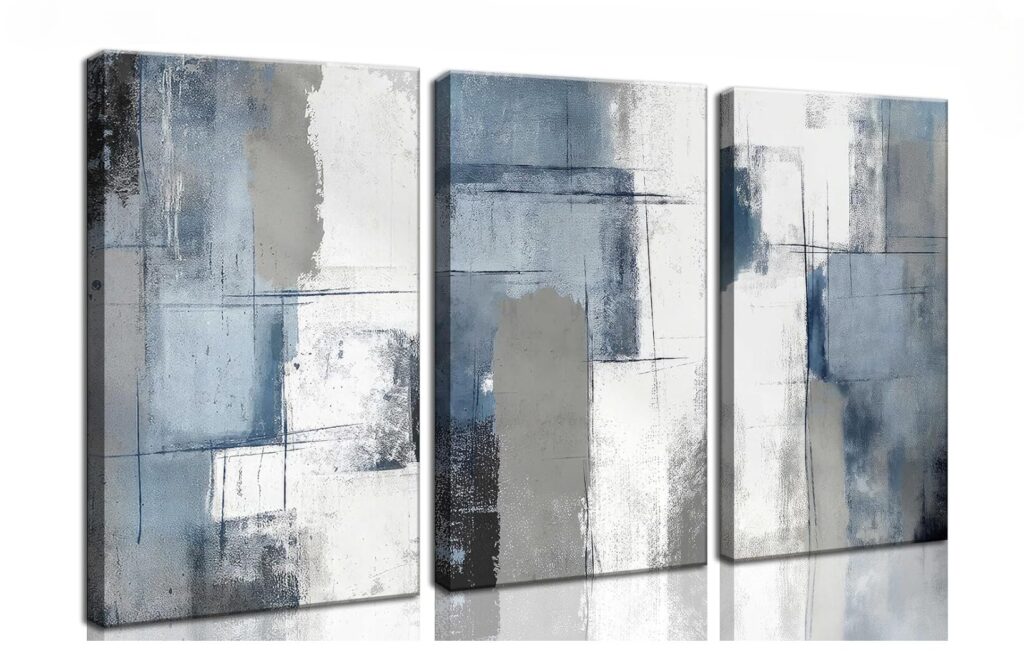
Nothing ages a bedroom faster than mismatched bedding and bare walls. I replaced my old comforter with crisp neutral bedding, bought two matching bedside lamps and hung some nice artwork above the bed instead of leaving the wall empty. That was basically it. The room instantly felt calmer.
Color-changing lamps are especially useful. Harvard Health Publishing recommends using dim red night lights before bed. Exposure to red light is less likely to affect your body’s internal clock or reduce melatonin production. A space that encourages relaxation is aesthetically pleasing and can even support healthier sleep habits.
I focused on how I wanted the room to feel rather than copying someone else’s style. I wasn’t building a showroom, so I needed a place where I actually wanted to sleep.
| Bedroom Upgrade | My Verdict |
| Cost | Around $89 |
| Worth It? | Definitely |
| What I Use It For | Better sleep and a more relaxing space |
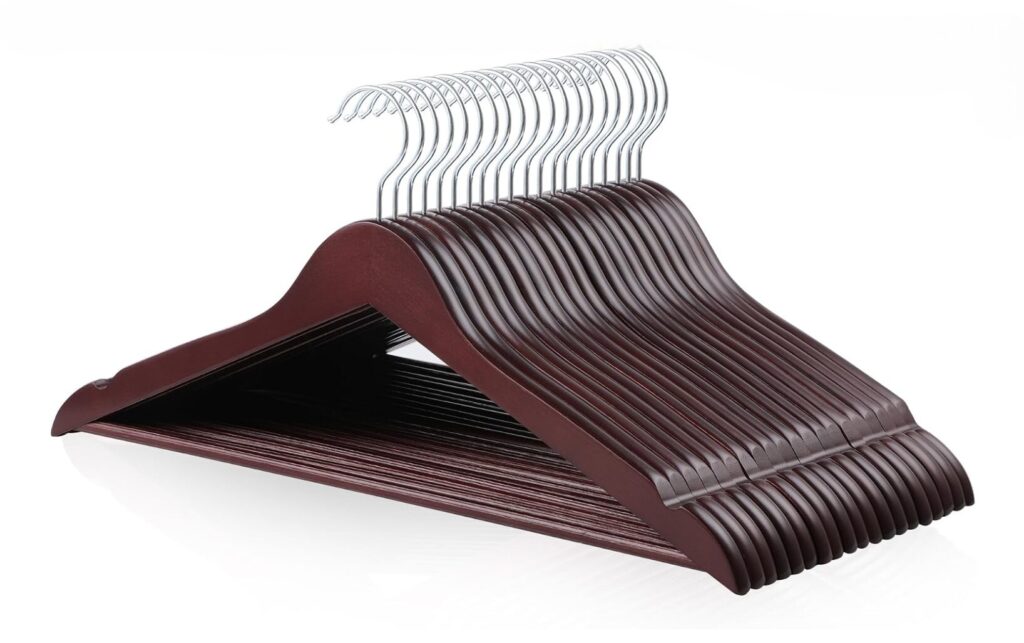
This turned out to be the most satisfying part. I got some matching wooden hangers to replace my cheap plastic ones, which instantly give my closet an elegant look. Then, I replaced worn towels with thick cotton bath towels that make me feel like I’m in a hotel. I also bought a full-length standing mirror and a lidded laundry basket that didn’t look like it came from freshman year.
Instead of filling shelves with random decorations, I kept only items I actually liked or used. Choosing fewer, longer-lasting bachelor pad essentials will create less waste over time while improving my home’s appearance.
| Finishing Touches | My Verdict |
| Cost | Around $135 |
| Worth It? | More than I expected |
| What I Use It For | Making the apartment feel complete |
My apartment isn’t huge, but that’s why these upgrades worked so well. When you’re working with limited square footage, adding more furniture can make things worse. Instead, I learned to maximize lighting, use larger statement pieces and use storage to keep surfaces clear.
A single large rug made the living room feel bigger. One oversized piece of art had more impact than numerous small frames. Hidden storage kept clutter out of sight without making the apartment feel empty. These bachelor pad ideas for small spaces turned out to be my favorite because they were apartment-friendly and hassle-free.
I didn’t need to become an interior designer or replace my comfortable furniture with museum pieces to make your space look good. My apartment still feels like mine. The difference is that it finally feels intentional. Spending $500 forced me to prioritize the bachelor pad essentials that actually matter. Although no one has complimented my cutting boards or matching hangers, I keep getting compliments about my decor. That’s exactly what I was hoping for.