

We are reader-supported. When you buy through links on our site, we may earn an affiliate commission.
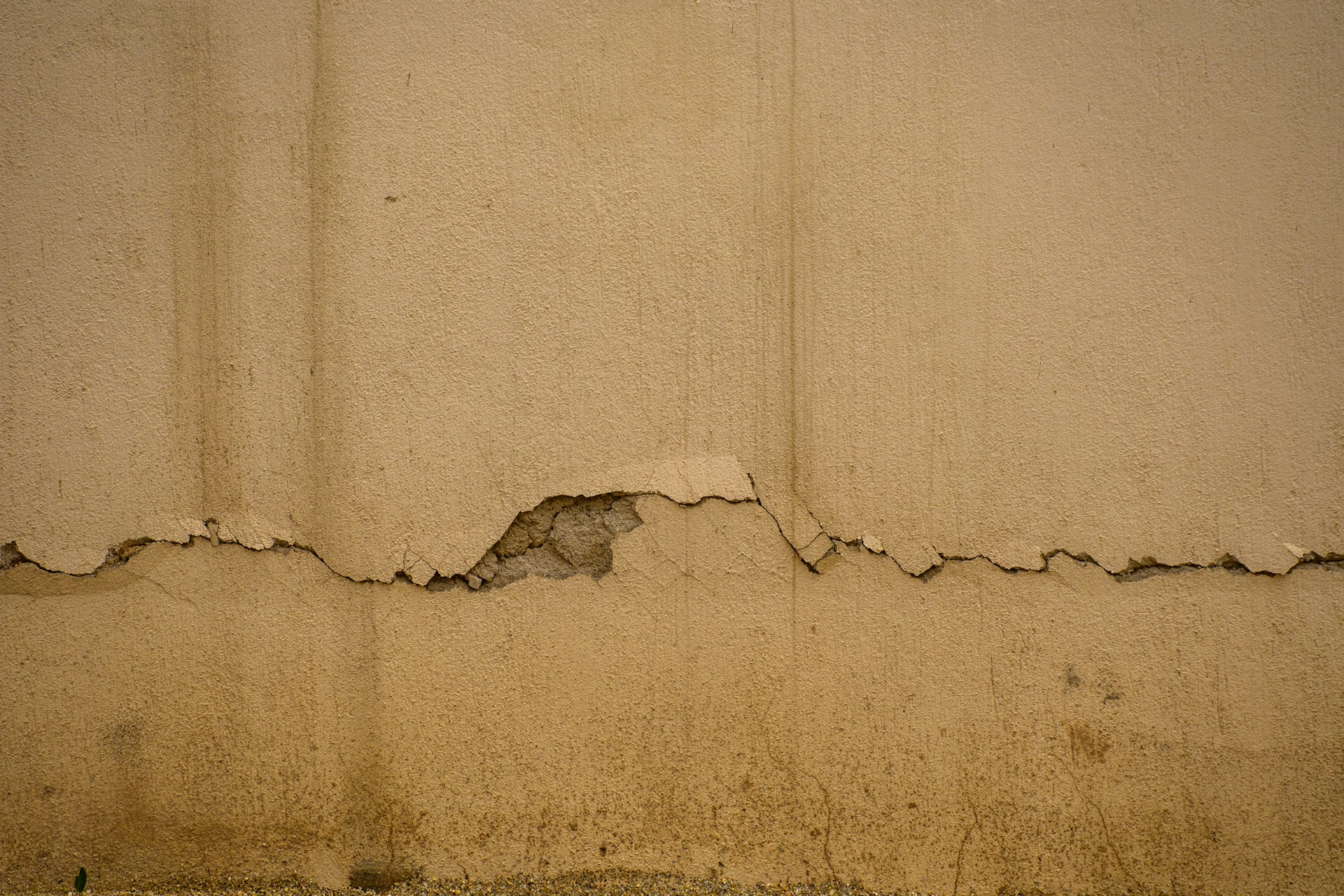
Many homeowners assume all cracks are equally concerning, but structural engineers often pay close attention to a crack’s direction. In many cases, horizontal foundation cracks receive greater attention because they can indicate pressure against a foundation wall. Understanding the difference can help you determine when a crack is part of normal settling and when a professional assessment may be beneficial.
Structural engineers generally consider horizontal foundation cracks more urgent because they often suggest that a foundation wall is experiencing lateral pressure. Essentially, these cracks may indicate structural movement, so they are among the crack patterns that warrant prompt attention.
The primary concern is that horizontal cracks often develop in response to pressure outside the foundation. As that pressure increases, the wall may begin to bow inward or shift. Identifying the cause early can help preserve the foundation’s long-term performance and reduce repair costs.
Vertical cracks, on the other hand, frequently develop as concrete cures or a house settles over time, while horizontal cracks may signal that soil, water or other external forces are pushing against the wall.
One of the most common causes of horizontal foundation cracks is hydrostatic pressure. This happens when water accumulates in the soil surrounding a home. As the soil becomes saturated, it expands and places additional force on foundation walls.
Soil conditions can also contribute to this process. Some soils naturally expand when they absorb moisture and shrink as they dry out. Over time, these recurring cycles can put stress on foundation walls, particularly in areas with significant seasonal rainfall fluctuations. Homeowners may notice signs of moisture-sensitive soil, such as deep ground cracks during dry periods, very hard soil when dry or sticky soil after heavy rain.
Drainage also plays a role. Downspouts that discharge water near the home, clogged gutters and poor grading may increase moisture levels around a foundation. Managing water effectively and directing it away from the structure can help you reduce the pressure that contributes to horizontal foundation cracks.

Vertical foundation cracks are commonly associated with normal settlement. As a structure adjusts to the soil beneath it, small vertical fractures may develop in poured concrete walls. These cracks are relatively common, especially in newer homes.
Size and movement still matter. Wider cracks, cracks that continue to grow or cracks accompanied by water intrusion should be evaluated by a professional. The National Association of Realtors (NAR) notes that crack width and signs of movement are important factors when assessing foundation conditions.
A horizontal crack deserves attention on its own, but additional symptoms can provide important clues about how much movement is occurring. Remember to inspect your property and its base materials thoroughly. Consider scheduling an inspection if you notice:

When evaluating horizontal foundation cracks, engineers look beyond the crack itself. They assess wall alignment, measure crack width and examine whether the crack has changed over time.
They may also inspect grading, drainage systems and soil conditions surrounding the property. In some situations, engineers install monitoring devices to track movement over several months. This information helps determine whether the foundation has stabilized or if additional measures are needed.
A professional evaluation provides homeowners with a clearer understanding of available repair options and priorities. Foundation performance depends on both the structure and the surrounding soil environment, which is why a comprehensive assessment is so valuable.
The appropriate repair depends on the cause and severity of the crack. If excess moisture is contributing to the problem, improving drainage may be the first step. This can include extending downspouts, adjusting grading around the home or installing drainage systems that direct water away from the foundation.
When additional reinforcement is needed, engineers may recommend carbon fiber straps, steel braces or wall anchors to improve wall stability. In more advanced situations, larger structural repairs may be appropriate.
Foundation repairs commonly range from $2,225 to $8,135, depending on the scope of work. Addressing issues early often provides homeowners with a wider range of repair options.

Horizontal foundation cracks often receive the most attention from structural engineers, but they are not the only crack pattern worth monitoring.
According to the NAR, apart from vertical and horizontal cracks, there are two other crack types that can give you valuable clues about how a foundation is performing over time:
Understanding these common crack patterns can help homeowners, contractors and real estate professionals identify when a closer inspection may be beneficial. Early evaluation often offers greater flexibility in planning maintenance and repairs.
Horizontal foundation cracks often attract greater attention from structural engineers because they can reflect pressure acting on a foundation wall. While every foundation is different, understanding crack patterns can help property owners make informed decisions about maintenance, inspections and repairs. Monitoring changes, improving drainage and seeking professional guidance when needed allow homeowners to support the long-term stability of their property and address concerns before they develop into larger projects.