

We are reader-supported. When you buy through links on our site, we may earn an affiliate commission.
Most adults have probably found themselves at a housewarming party or two. You show up, maybe bring a thoughtful gift, and help celebrate someone’s new place. However, have you ever wondered where these unique homeowner traditions actually started or if they look the same everywhere in the world?
Every culture has its own way of marking the big step of moving into a new home. These first-night rituals and traditions can give everyone a little peek into your roots and what matters most to you.
A home tradition or new property ritual is a gesture observed to remember a belief or to ensure a positive outcome or blessing for the home and its occupants. A family’s rituals and traditions bring them together, and new homeownership events exemplify the power of family rites. Many new homeowners visualize owning their home long in advance.
Throughout my adult moves, I’ve tried to add my own twist. Before I even unpack, I always open all the windows, light a candle and play my favorite playlist. Maybe it’s superstition or just comfort, but it feels like I’m inviting good energy into every corner.
All over the globe and throughout history, people have come up with creative ways to wish new homeowners well. Gifts like fruit, firewood, wine or bread have been popular in different places and times. Each gift carries a deep symbolism that’s often tied to luck or prosperity.
Families sometimes have their own special considerations, such as following certain religious practices for safety and comfort in their new place or honoring traditions passed down through generations.
Before you buy a housewarming present, it’s always smart to ask about your friends’ cultural beliefs. For example, giving a lucky bamboo plant is a great idea, but only if it has five or eight stalks. In some cultures, four stalks are thought to bring bad luck. Maybe these rules come from the old days, when bamboo was one of the main building materials.
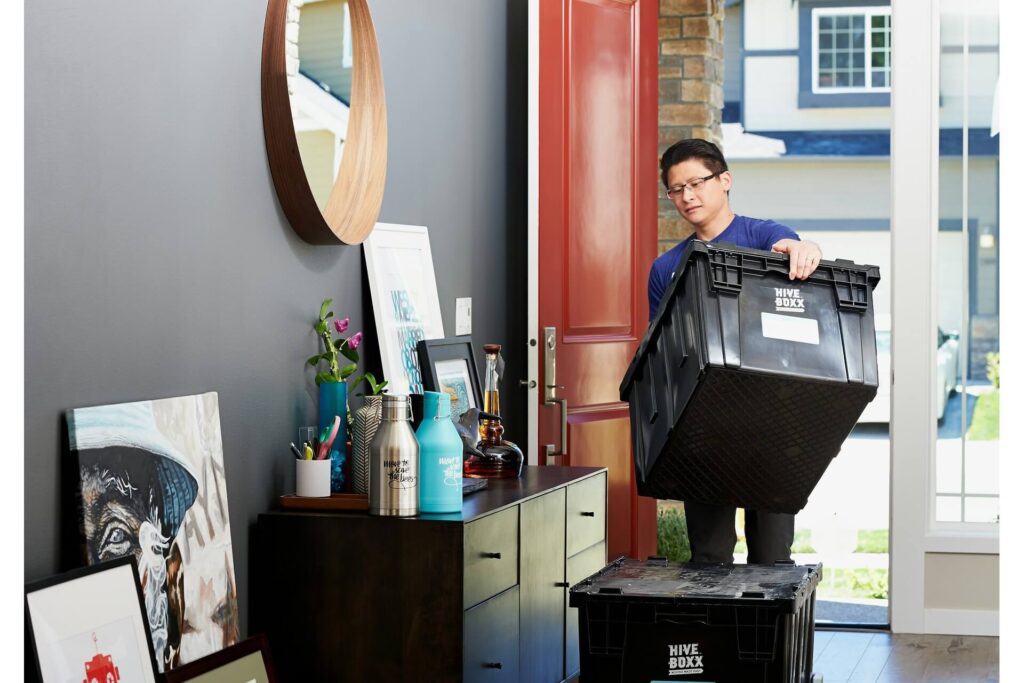
The rituals people implement when moving into a new home can be fascinating. Here are a few examples across different cultures.
In some Buddhist traditions, ringing a bell is believed to ward off negative energy and keep bad spirits away.
In a lot of places, sweeping your new home before moving in isn’t just about cleaning. It’s symbolic, like sweeping out the old energy before starting fresh. Some Korean families will even gift a broom and dustpan to help “clear” the space.
In parts of India, it’s considered lucky for Hindus to get a lamp and a bed inside before the monsoon starts. Moving during the rain is not so lucky.
In some parts of Europe, blue has been seen as a color that scares off evil spirits. Maybe that’s why folks used to paint their faces blue before battle, and why some houses still sport a bold blue door.
Many Asian nations see a healthy orange tree as a sign of prosperity and health. Early Romans also valued citrus varieties as a sign of youth and health.
Modern candles have come a long way since the early wicked candles that originated in Egypt in 3,000 BC. Many religions use candles for ceremonies today.
Salt has historical value as a widely traded commodity, so giving salt has always been akin to giving someone money.
Not all housewarmings are just about gifts and snacks. I once attended a house blessing where a Catholic priest sprinkled holy water in every room, with the whole extended family standing and singing together. In college, a roommate’s Buddhist parents led us in meditating and ringing a small chime before we unpacked. I was surprised by how grounding and moving it felt.
At another celebration with Hindu friends, I watched as their parents chose a precise day, recommended by their astrologer, to officially mark their move. The careful boiling of milk and a sweet treat shared after underscored the importance of marking life’s transitions.
Some traditions are very meaningful and may involve religious blessings. For example, in some Christian, Hindu or Buddhist families, the new homeowners might invite a priest or monk to bless the house. This could include prayers, meditation or smudging with incense or holy water.
The timing of the blessing is also vital. Many cultures require it before the couple moves in or unpacks their belongings. If evil spirits or energy from the previous owners remain, the blessings will remove ill intent.
Strict Hindus may require leading a cow through the house and using its urine to cleanse the floors. An auspicious astrological date is required to perform the Griha Pravesh Puja rituals and ensure happiness and abundance for the new owners.
When it comes to housewarming gifts, I’ve learned over the years that thoughtfulness goes a long way, especially if you lean into tradition but add your own twist. Here are my top three go-to gifts for new homeowners, based on what’s been most appreciated.
You can never go wrong with bread and salt. Across cultures, sharing bread signifies companionship and good wishes for prosperity, and salt is all about bringing “flavor” into life. I remember the first time I brought a homemade loaf and some fancy sea salt to a friend’s new apartment, the look on her face was pure joy. I’ve since upped my game, sometimes gifting a sleek breadmaker or even a countertop pizza oven if I know the recipient loves to cook.
One of my favorite gifts to give is a set of infused olive oils. There’s something fun about arranging the bottles with a little basket of fresh bread and maybe a wedge of good cheese or a small charcuterie board. One friend still raves about the truffle oil I included in his gift set. He said it made his first dinner party in the new place feel truly special.
Lighting up a new home feels magical, whether it’s for warmth, ceremony or just to make the space feel cozy. I started the tradition of gifting candles after forgetting a housewarming present and grabbing some on a whim from the grocery store. Turns out, it became a hit.
The home traditions you choose say a lot about who you are and what you cherish. Whatever you do, these little rituals can make your new space feel warm and welcoming, both for you and for everyone who steps through your door. If you honor your own heritage, friends and family will love being part of it with you.
Note: This article was first published on December 3, 2024, and was revised on August 25, 2026, to reflect the most current information.