

We are reader-supported. When you buy through links on our site, we may earn an affiliate commission.
You wake up and you want something to eat, so you immediately head to the kitchen. However, you are greeted by crowded cabinets and cluttered countertops. Just grabbing a few ingredients seems like walking through a minefield. There is no space available to prepare the food. A room designed for daily tasks feels loud and overwhelming. Many people encounter this issue and it is not a failure on your part. It just means the current layout isn’t supporting you the way you actually use it.
Discover how to make your everyday cooking more efficient.
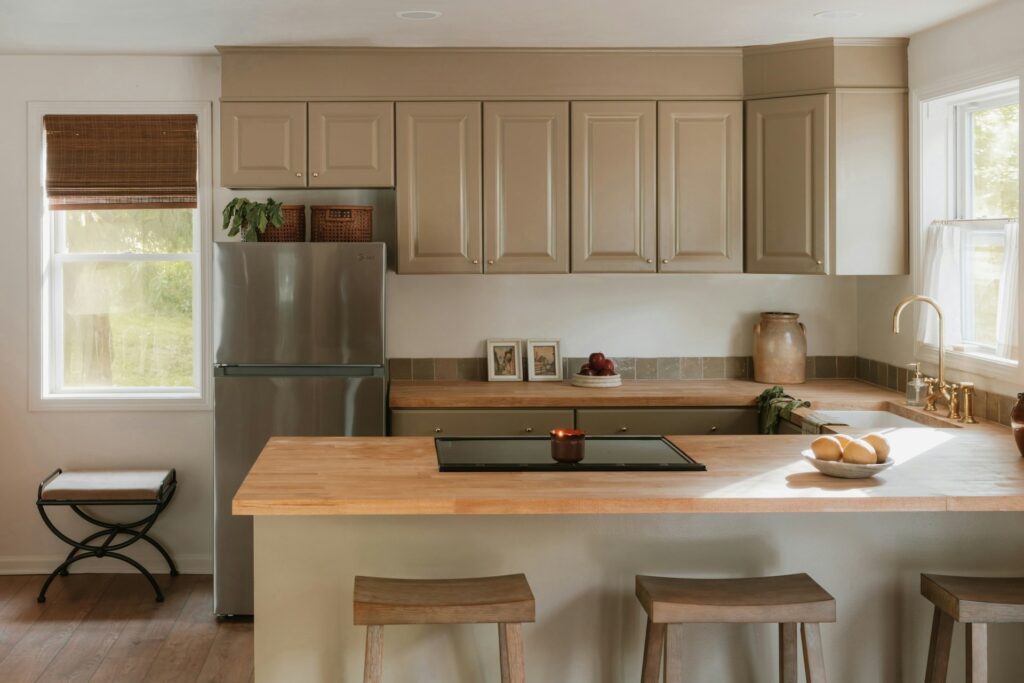
The idea behind the 15-minute rule is simple. You reorganize your kitchen tools in 15 minutes, keeping in mind your daily routines. The most-used items should be easy to find. The spaces where you work should connect seamlessly and movement in between tasks should be minimal. In an efficient kitchen, everything you need is easily accessible. Items are stored logically and cleanup can be done without a constant back-and-forth.
On the other hand, an inefficient kitchen would have you scrambling for ingredients across several cabinets. Tools are scattered all over the kitchen, interrupting your workflow. These things might seem minor, but they add up. The additional steps due to a disorganized layout take up extra seconds each time. Repeated daily, they become an unnecessary physical and mental drain.
You don’t have to renovate your kitchen to make it efficient. Instead, you can assign kitchen work zones based on how you move and cook.
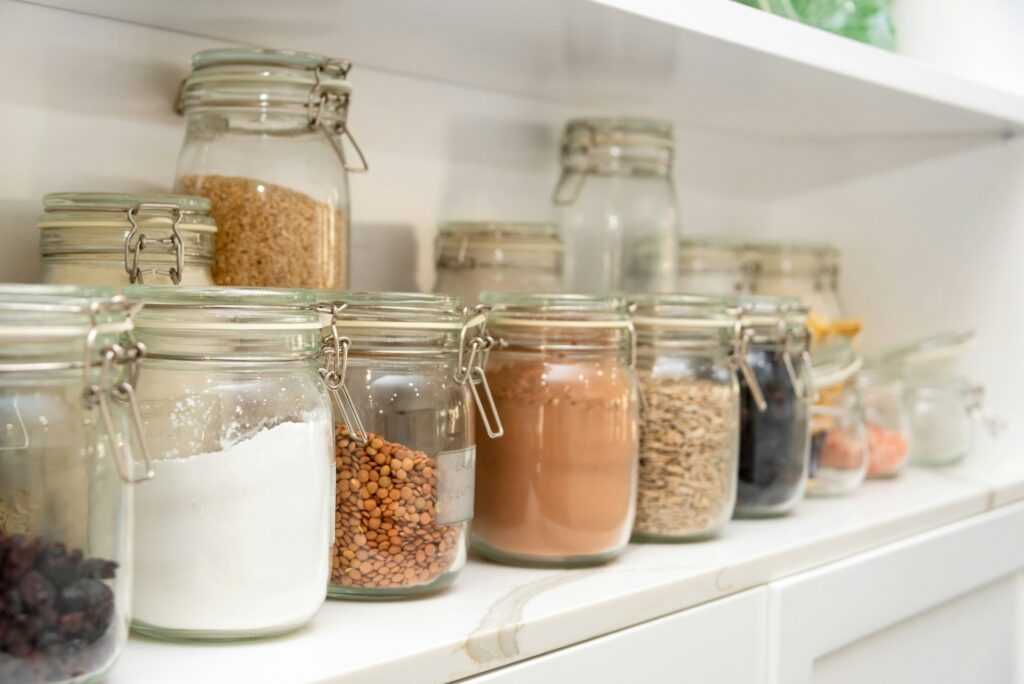
The food storage zone includes your pantry, refrigerator and cabinets. These places store your ingredients. By grouping them, you can quickly gather the materials you need for a recipe. For example, baking supplies should be stored together. Breakfast foods can occupy one level of your cabinets for easy access in the morning. Less frequently used items can be hidden in the back or on higher shelves.
With this setup, you can reduce the time you spend searching for ingredients. You also know exactly what you already have and which ingredients you might be running low on.
The preparation zone should be a clear countertop where you can easily prepare food. This space should ideally be located between your storage and cooking zones. Store your cutting boards, knives, mixing bowls, measuring tools and other preparation supplies in this area as well. This way, you don’t have to constantly move around just to complete simple, everyday cooking.
Your cooking zone is centered around your main appliances — your stove, oven, microwave, airfryer and other appliances you often use for cooking. Anything used during the cooking process should be easily reached. Examples include spatulas, wooden spoons, cooking utensils, pots and pans. Having them close enough during a meal helps make the whole process easier.
The cleaning zone’s main area is your sink and dishwasher. Here, you should have everything needed for cleanup, such as dish soap, sponges, cleaning supplies, trash and recycling bins. Keeping items grouped together helps turn the cleanup into an efficient process rather than a series of disconnected steps. A well-organized cleaning zone helps the entire household maintain a pristine kitchen.
You don’t need to hire a designer to spot the inefficiencies of your kitchen. You can do that by simply going about your day. Pay attention to your movements. Are you crossing the kitchen several times just to collect basic tools? Is your colander stored on the opposite end of the room from the sink? Are your cooking utensils tucked in a drawer far away from the stove?
When you encounter any issues or inconveniences, jot them down in a notebook. That will help you identify the actual issues that make your daily cooking hard. The goal is to remove these unnecessary movements so your cooking becomes a bit more seamless.
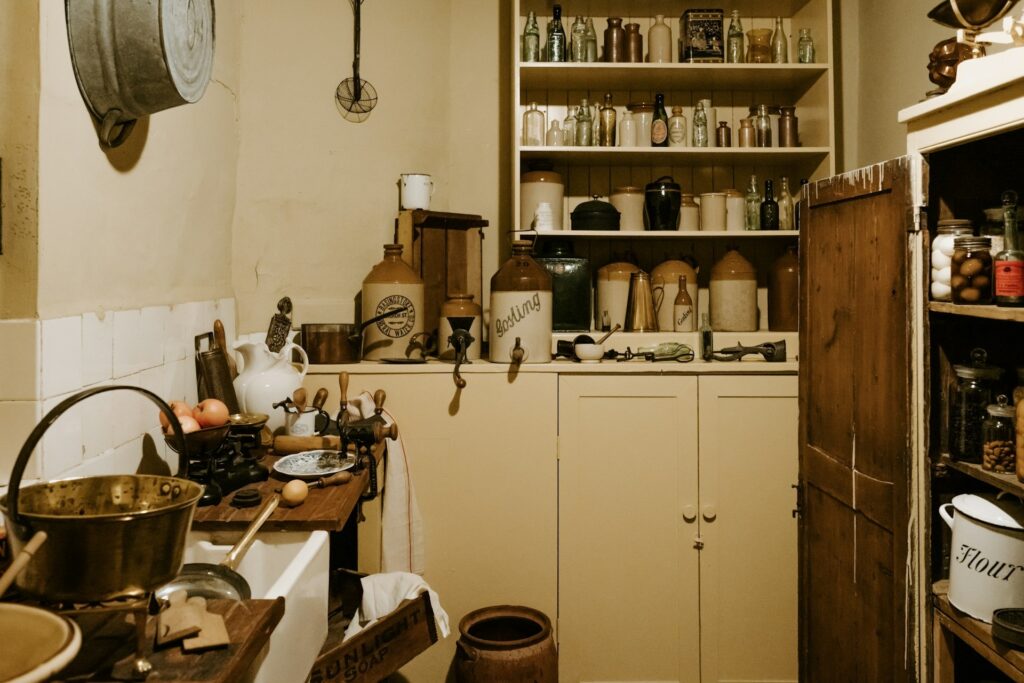
Kitchen fatigue is not just about physical movement. Your environment can also affect how much mental energy you use up. A cluttered kitchen easily consumes mental load. You frantically search for ingredients and have to rearrange items to keep them in order. Your countertops are so crowded that water spills down to the floor and you have to clean it up.
This constant stress makes everyday tasks such as cooking even more tiring. Instead of entering the space, ready to create a dish, you become weighed down by the clutter.
There are simple tricks and techniques you can use to greatly enhance your kitchen space. The first thing to do is declutter. This helps you remove all the unnecessary stuff that is just taking up space and causing you stress. After you have narrowed down your ingredients and tools to the essentials, you can utilize tiered shelves inside cabinets to make use of extra vertical space.
Frequently used kitchen tools should be near the stove. Mugs can be hung on under-cabinet hooks, while utensils can be divided with organizers. Designated drop zones are also useful for grouping miscellaneous kitchen items that often collect on counters. Less-frequently used appliances should be stored away. This gives you more space and makes preparation easier.
A magnetic knife strip can also be incredibly useful. They free up counter space and make knives easily accessible. Labels on storage containers help reduce the time you spend searching for them.
A kitchen that feels enjoyable to cook in is possible without a major renovation. You just need to reflect on how you move through the space daily and make small adjustments that support your habits. By organizing your space into different kitchen work zones, you reduce clutter and make frequently used items easier to access. As a result, you spend less time navigating through your kitchen and more time enjoying the cooking process.