

We are reader-supported. When you buy through links on our site, we may earn an affiliate commission.
I thought sealing my driveway would be a quick Saturday project where you sweep, roll on some driveway sealant and enjoy the fresh finish. A few hours later, I realized the prep work mattered far more than the sealer itself. Cleaning, repairing cracks and even checking the weather took longer than I expected.
Once I finished, I understood the strong recommendations for sealing driveways. Choosing the right asphalt driveway sealer or concrete driveway sealer, repairing damage with driveway crack sealer and knowing how long driveway sealer takes to dry all play a bigger role than simply brushing on a coat of sealant. If you are planning to seal your own driveway, these lessons made the biggest difference to me.

Before I tackled the project, I assumed sealing was mostly about making the driveway look darker and newer. The fresh finish was definitely satisfying, but I quickly realized the appearance was just a bonus. The real value comes from protecting the surface before small problems turn into expensive repairs.
Whether you have asphalt or concrete, water is one of your driveway’s biggest enemies. Moisture seeps into tiny cracks, expands when temperatures drop and gradually weakens the surface. Sunlight also takes its toll, breaking down asphalt binders and causing fading and surface deterioration over time. A quality driveway sealer creates a protective barrier against moisture, UV rays and everyday wear.
The Asphalt Institute recommends protecting pavement to maximize its service life, which is why edge repair with a sealant is best. A complete sealant coat will extend the life of the whole surface and prevent oxidation. If the damage is severe, a driveway replacement may be necessary, but thankfully, these can last up to 20 years with proper care and regular coating.
Regular sealing also helps:
One of the biggest surprises was learning that not every driveway sealer works the same way. Your project’s material, climate and budget all influence which product makes the best sense.
If you have an asphalt driveway, an asphalt emulsion sealer is the most common choice. They’re relatively affordable, easy to apply and provide reliable protection against water and UV damage. For most homeowners, this is the best balance between price and performance.
Coal tar sealers have traditionally been another option because they resist oil and chemical spills exceptionally well. However, they’ve become less common because several states and municipalities have restricted or banned their use due to environmental concerns. Check your city’s status to ensure you comply, especially if you shop for your sealers out of state.
A concrete driveway sealer works differently. Rather than coating the surface with a thick layer, many of these products penetrate into the pores to repel water while still allowing the concrete to breathe.
Acrylic sealers are another popular option if you’re looking for enhanced color and a decorative finish. They typically offer excellent UV resistance but cost more than basic penetrating sealants, resulting in a lower ROI than other products. Choosing the right product saves time, improves durability and helps you avoid redoing the project sooner.
If I could give you one piece of advice, it would be to do your prep first. Remove all existing stains with a quality scrub, like PROSOCO O&G Stain Remover, to ensure a quality finish. I found a handful of small cracks that seemed harmless until I began my research. Applying sealer over damaged pavement doesn’t repair anything. Water can still seep in, and the cracks usually keep growing.
Instead, clean each crack thoroughly before applying a quality driveway crack sealer. Self-leveling products, like SIKA’s Sikaflex-410, work well for long, narrow cracks, while thicker fillers are better for wider damage and imperfections, such as your beagle’s pawprints on the concrete driveway. If your driveway has extensive cracking, large potholes or crumbling areas, repairs or resurfacing may make more sense than sealing alone.

Most of my time wasn’t spent applying the sealer. It went into preparing the driveway. A little extra effort beforehand makes the finished result smoother, longer-lasting and much easier to apply.
Here’s the process I used:
Skipping any of these steps would increase the chances of poor adhesion or premature peeling. A clean, dry surface gives the sealer the best opportunity to bond properly.
This was one of the most researched questions when I began my journey. The answer depends on the product, humidity and temperature, but most manufacturers recommend waiting at least 24 hours before allowing vehicle traffic. Thankfully, my neighbor offered me the use of their extra garage, so my car didn’t have to remain parked on the street all night. After all your effort with the preparations and application, ensure you wait enough time for a full cure before driving onto the surface.
Warm, sunny days usually mean the product dries more quickly, while high humidity slows the process. Thick coats take longer to dry than thin coats, and shaded sections may take longer to cure. Plan your project for a dry week with moderate weather, as rushing can cause tire marks and imperfections.
After researching dozens of products, I realized there isn’t a single best driveway sealer for every situation. The right choice depends on whether you have asphalt or concrete, the condition of your driveway and whether you’re sealing the entire surface or repairing cracks first.
Unlike film-forming coatings, Armor SX5000 penetrates deep into the concrete instead of leaving a visible layer on top. That means your driveway maintains its natural appearance while gaining long-lasting protection against moisture, freeze-thaw damage and deicing salts. If you have a decorative driveway, this is one of the better options available.
Key Features:

Get Armor SX5000 on Amazon
MDMprint offers a water-resistant filler and sealant for asphalt surfaces. The thick quality means it can seal minor cracks without filling, but I’d still recommend using a pretreatment for cracks or deformities before applying the sealant. The rubberized formula provides long-lasting performance and carries a 4-year warranty when applied correctly.
Key Features:

Get MDMprint Asphalt Filler and Sealer on Amazon
Any sealant with a DOT approval has been put through its paces. Siloxa-Tek’s formula avoids pitting and spalling of concrete and paving surfaces and is ideal for colder climates where deicing salts are part of daily life. It’s one of the strongest penetrating sealers available, but your surfaces remain breathable, which helps with overall maintenance.
Key Features:

Get Siloxa-Tek 8500 on Amazon
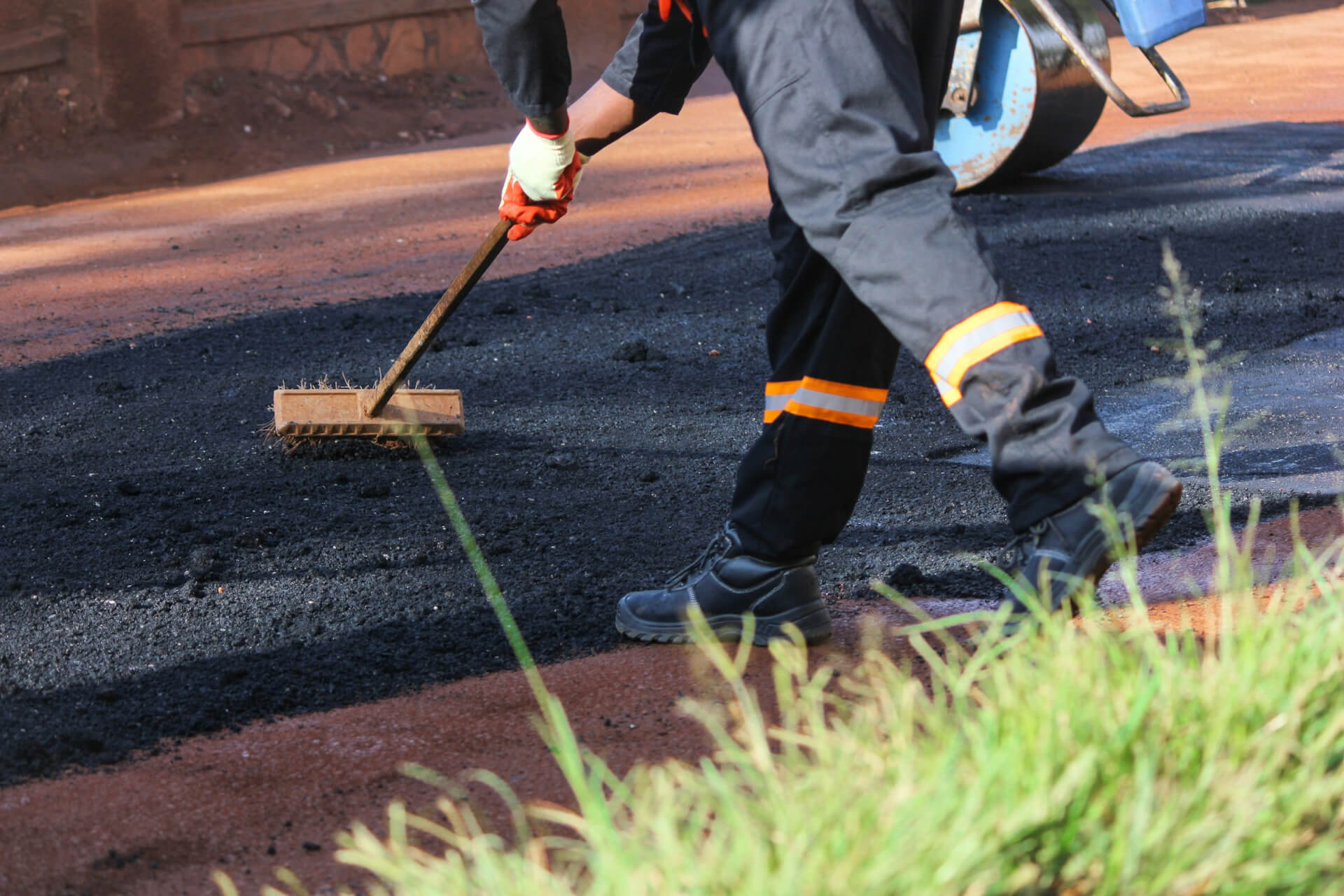
If you haven’t quite figured out how to maneuver the driveway applicator broom, remember to use even pressure and work with the broom head at an angle to your body, always pulling, not pushing.
Before starting this project, I believed a few of these myself.
A freshly sealed driveway certainly boosts curb appeal, but the appearance is only part of the benefit. The real purpose is to protect the surface from moisture, oxidation, UV exposure and chemical spills, which gradually break down asphalt and concrete.
More isn’t always best. Most experts recommend resealing every two to three years, depending on your climate, traffic levels and product. Applying fresh sealer too often can create excessive buildup, which may peel or wear unevenly over time.
Different products are designed for unique materials and conditions. An asphalt driveway sealer won’t perform the same way as a concrete driveway sealer, and premium penetrating sealers offer different benefits than traditional surface coatings. Self-healing concrete also changes the game, as this material can patch minor cracks on its own. Matching the product to your driveway is just as important as applying it correctly.
The improved appearance of my driveway and increased protection against environmental forces like heat, rain and ice make the process worth it. A little extra time on cleaning, repairing and sealing has saved me from bigger expenses down the line.
If you’re planning on doing the job yourself, focus on preparation and patience. Choose the right driveway sealer for your surface, repair cracks before you begin and give the finish enough time to cure. Those simple steps will help your driveway look better and last longer.