
We are reader-supported. When you buy through links on our site, we may earn an affiliate commission.
If you’ve ever walked into a space that felt like it belonged in a sci-fi film, but somehow still felt warm, functional and effortlessly cool, you’ve experienced the power of futuristic interior design. Whether a homeowner, renter or in the renovation business, embracing forward-thinking design can help futureproof your space while turning heads today.
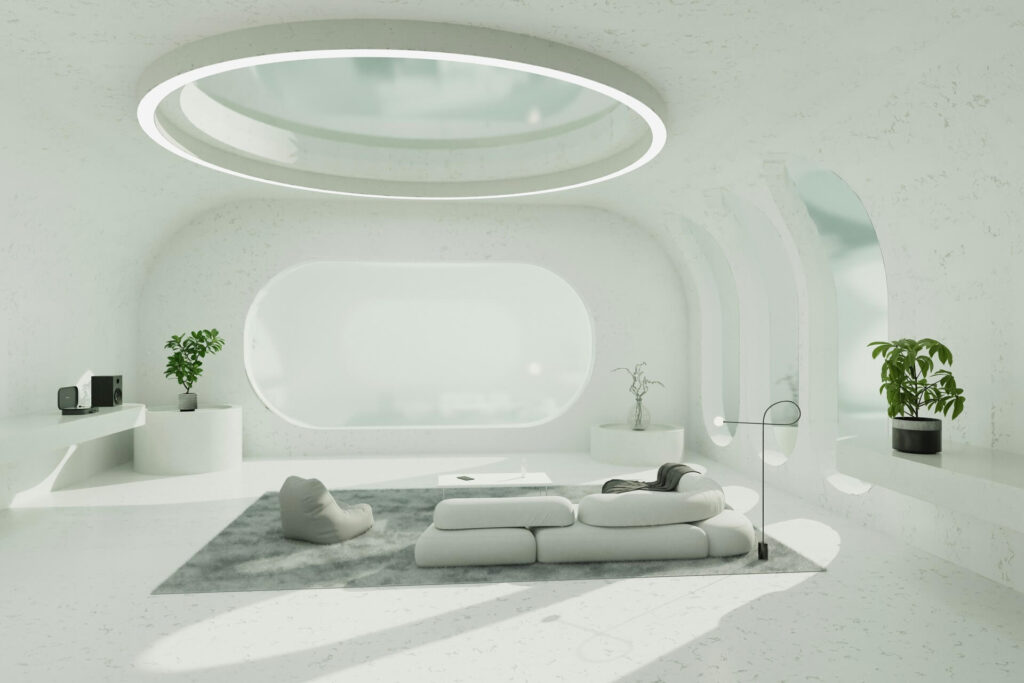
Futuristic interior design is more than a trend — it’s a mindset. At its core, it’s about blending function with innovation, using cutting-edge materials, sustainable practices and smart technology to create a sleek, forward-thinking space. Think clean lines, minimal clutter and adaptable layouts that prioritize efficiency, ease and elegance.
While it once conjured images of sterile, spaceship-like settings, today’s version is warmer and more human-centric. It embraces natural light, eco-conscious choices and tech that simplifies daily life — from voice-controlled lighting to modular furniture that morphs with your needs.
The rise in popularity is because as homes evolve into workplaces, wellness hubs and digital command centers, people want interiors that support this lifestyle.
To bring futuristic design into your space, start with these core elements:
Voice assistants, app-controlled lighting, AI-enhanced thermostats and integrated sound systems aren’t just trendy — they’re becoming the new normal. You don’t need a full home automation system to start — even a plug or motion sensor lighting can make a big impact.
Say goodbye to cluttered corners and hello to clean silhouettes. Look for curved sofas, geometric light fixtures, or asymmetrical shelving. These shapes add depth and movement while keeping things sleek and functional.
Glass, chrome and stainless steel still have their place — but now bioplastics, sustainable composites and recycled materials are also appearing in cutting-edge interiors. Translucent panels, carbon-fiber accents and matte finishes give your space a truly next-gen look.
Layered LED lighting, illuminated wall panels, and customizable color zones create ambience and can visually transform a room with just a voice command. In futuristic spaces, lighting doubles as both function and art.
Monochrome bases like white, gray and charcoal paired with metallic or pops of bold neon blue, green or violet evoke a clean, tech-forward energy. However, if bold isn’t your style, soft gradients and pearlescent finishes can still capture the futuristic feel without overwhelming the space.
Futuristic design isn’t reserved for multimillion-dollar builds or glossy concept homes — it can be surprisingly accessible if you know where to start.
For renters, focus on non-permanent upgrades:
For homeowners and renovators, futureproofing your space now can save time and money later. Consider:
Balance high-tech pieces with softer, tactile elements like felt, cork or eco-friendly fabrics to keep your space grounded and comfortable. The key is to create harmony between the digital and the natural.
One of the biggest misconceptions about futuristic design is that it’s all tech, no conscience. However, the truth is that the most cutting-edge interiors are also some of the most environmentally friendly.
From energy-efficient appliances to smart climate control systems that learn your habits, technology can dramatically reduce energy use. Even LED lighting alone uses significantly less energy and lasts longer than traditional bulbs.
Sustainable materials are also front and center. Designers are incorporating bamboo, recycled materials, mushroom-based leather and carbon-neutral composites to keep things green. Biophilic design — bringing nature indoors — is another futuristic staple, with living walls and indoor gardens promoting well-being and air quality.
Whether you’re building new or upgrading a room, futuristic design invites you to think long-term — both for your space and the planet. It’s not just about what looks good now, but what will serve you and the Earth well into the future.
Even the most forward-thinking design can fall flat if you don’t plan with intention. Here’s what to steer clear of:
Just because a gadget exists doesn’t mean you need it. Avoid turning your home into a showroom of disconnected devices. Instead, start with one or two high-impact upgrades that integrate well together.
Minimal doesn’t mean lifeless. All-white everything and excessive chrome can make a home feel cold. To add warmth, layer in texture with rugs, wood accents, or soft lighting.
The future is unpredictable. Built-in furniture or overly niche layouts can limit adaptability. Instead, choose pieces that can evolve with your lifestyle — like adjustable desks or nesting tables.
Focus on balance. Blend form with function, and always ask if the design will still make sense in five years.
If you’re not sure how to bring the future into your home without blowing your budget, start small and smart:
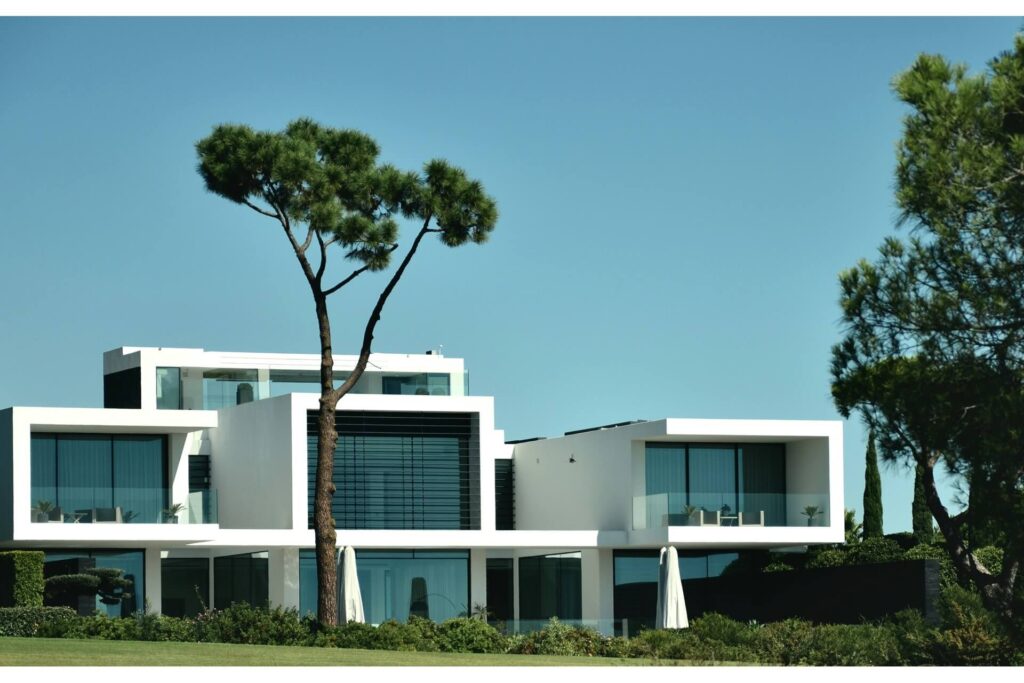
Futuristic interior design isn’t just a look — it’s a lifestyle upgrade. By mixing smart tech, sustainable choices, and bold style, you can create a home that’s as functional as it is forward-thinking. Whether you’re making small updates or going full reno, designing for the future starts with a single smart step.