
We are reader-supported. When you buy through links on our site, we may earn an affiliate commission.
I was fully convinced I did not need boucle furniture. Then Instagram happened. For weeks, my feed seemed determined to show me the same irresistibly soft-looking chairs, sofas and ottomans. Every time I opened the app I found that nubby, cloudlike texture. I resisted for a while. I told myself boucle was just another trend that would eventually disappear. Then I finally caved. And honestly? I am glad I did.
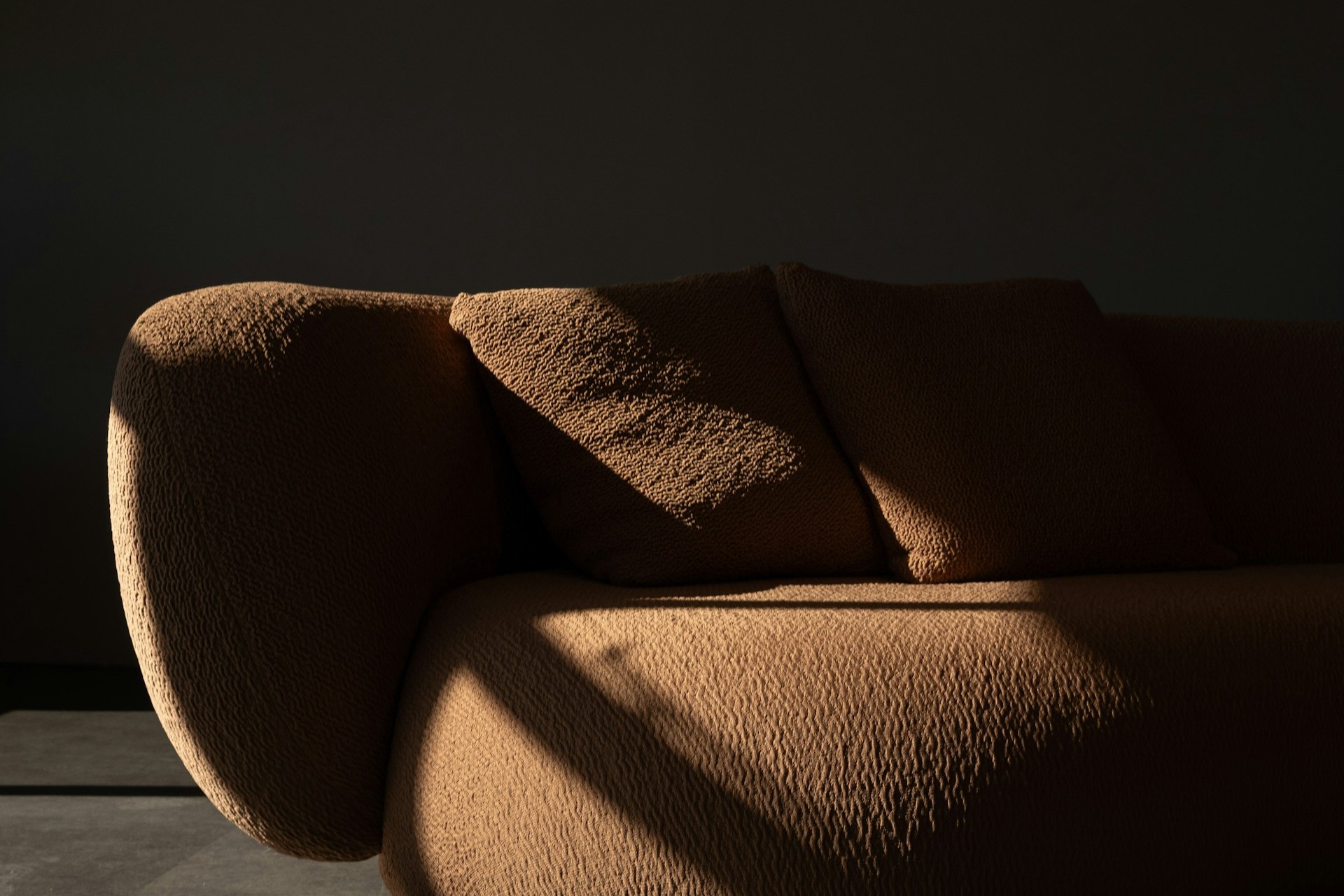
Before I bought anything, I wanted to understand what I was actually looking at. Boucle refers to a textured yarn or fabric characterized by loops or curls, which create its distinctive nubby appearance. That texture gives upholstered furniture a softer, more tactile quality than a smooth woven fabric.
Research supports the idea that upholstery texture can influence how people perceive furniture. A 2024 study published by North Carolina State University examined how people visually and physically evaluated different soft sofa fabrics. The researchers found that texture and perceived quality were two major factors in participants’ experiences of sofa fabrics.
That made perfect sense once I started paying attention. A boucle chair does not necessarily need an elaborate silhouette or dramatic color to become a focal point. The fabric itself does some of the decorating.
My biggest hesitation was that boucle furniture felt very trend-driven. I had seen enough interior design content to know that a material can suddenly be everywhere before becoming yesterday’s news.
I stopped thinking about boucle as a style that had to define my entire room and started treating it as a texture. This distinction made the furniture feel much more versatile. I also realized that I did not have to buy the biggest boucle sofa I could find.
A boucle accent chair, ottoman or dining chair could introduce the texture without turning my living room into a showroom for one particular trend, making the material much easier to experiment with.
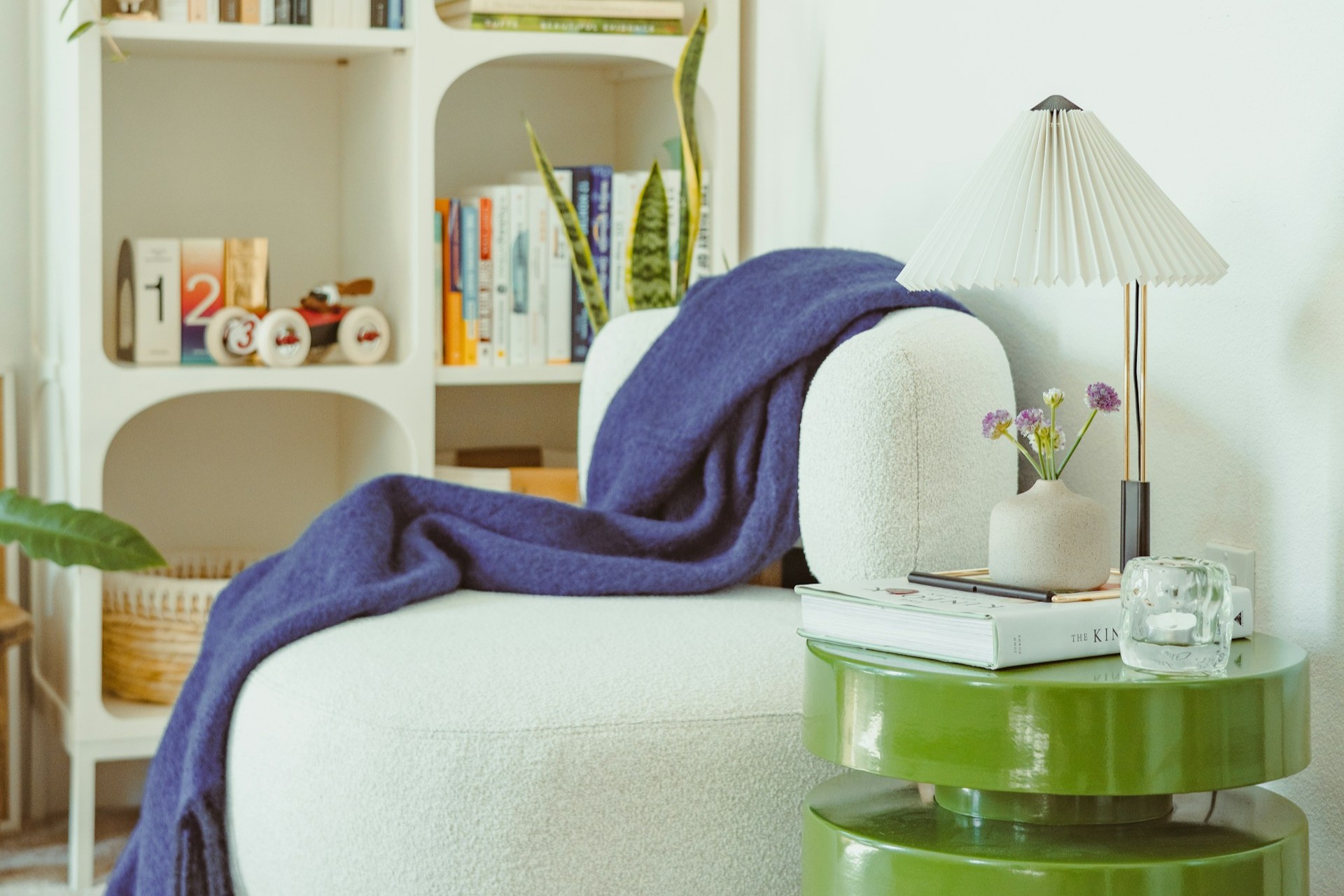
What surprised me most after bringing boucle into my space was how much the room changed without any major renovation. The furniture looked soft even from across the room. Up close, the texture gave the piece another dimension that smooth upholstery simply did not have. That tactile quality is more than a visual trick.
For me, this meant I could keep the rest of the room relatively simple. Instead of adding another patterned rug, colorful artwork or decorative object, I could let the furniture provide some of that visual richness. It was an unexpectedly easy way to make the space feel more finished.
Boucle looks wonderfully forgiving in photographs, but living with it is another story. The loops and texture that make boucle so appealing can also make maintenance worth considering before you buy.
I would think carefully about where the furniture will go and how much everyday activity it will see. A pristine boucle accent chair in a quiet reading corner has very different demands from a cream boucle sectional in a home with pets, children or frequent entertaining. I also became much more interested in the construction underneath the fabric. Upholstered furniture is more than its outer covering.
Upholstered chairs can emit volatile organic compounds, or VOCs, from materials including textiles, polyurethane foam, wood frames and adhesives. This does not mean boucle furniture is inherently problematic. However, the fabric should be an important consideration when evaluating an upholstered piece. I now pay attention to the materials, construction and manufacturer information instead of judging furniture entirely by its Instagram appeal.
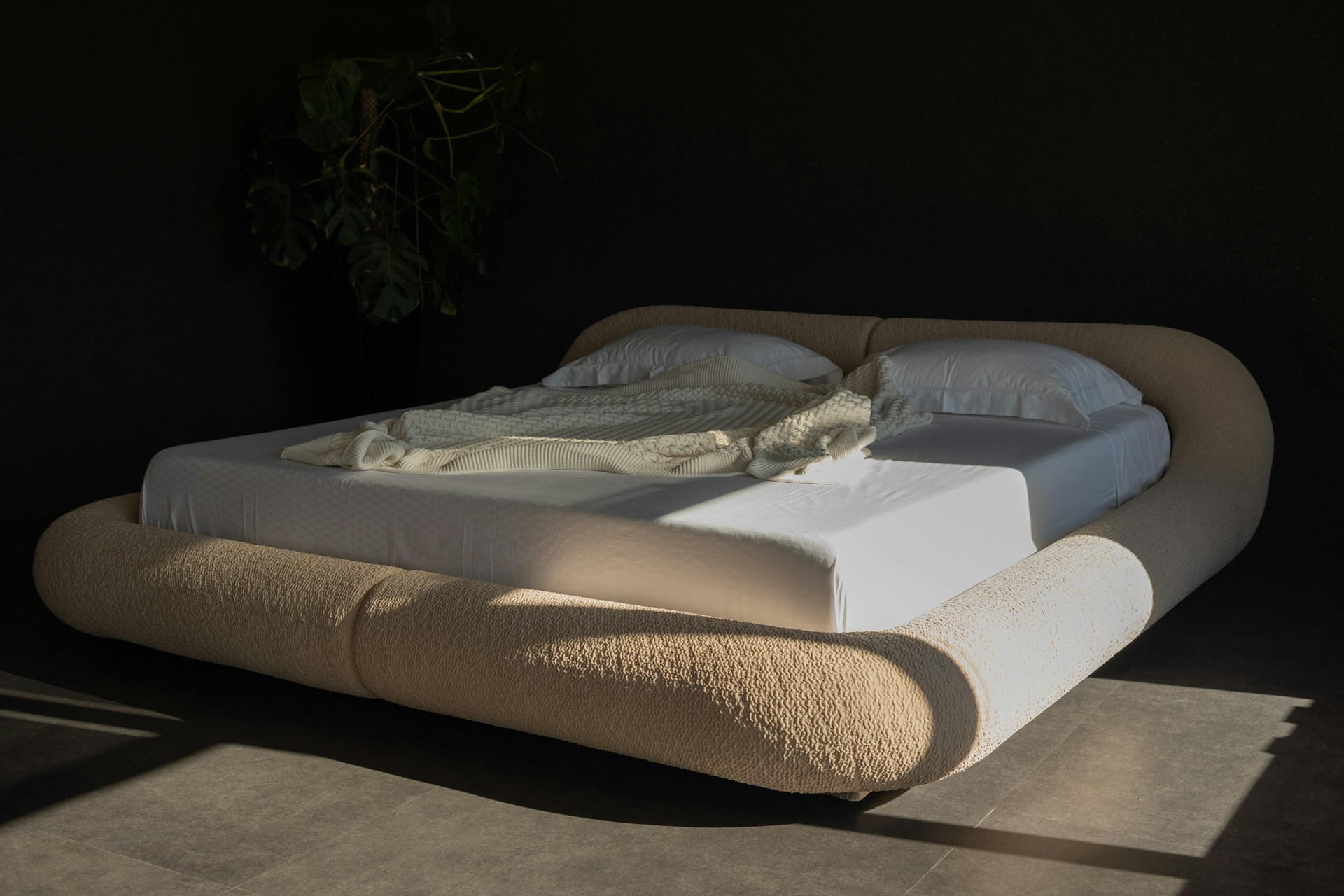
Once I got past the excitement of the fabric, I realized that beautiful upholstery cannot compensate for poor furniture construction. If I were buying another boucle sofa or chair today, I would examine the frame, joinery, cushion construction and warranty before getting distracted by the texture. That is especially important for contractors, renovation professionals and real estate pros who may be selecting furniture for clients or staging a property.
A piece can photograph beautifully while still being a poor long-term investment if its construction does not match how it will be used. Safety also deserves a place on the checklist. In the U.S., upholstered indoor seating is subject to federal flammability requirements. The Consumer Product Safety Commission explains that upholstered furniture manufactured, imported or reupholstered under the applicable requirements must meet testing standards covering components such as cover fabrics, filling materials, barrier materials and decking.
That is not exactly the glamorous side of furniture shopping, but it is the side I appreciate more now that I have stopped buying things exclusively because they look good online.
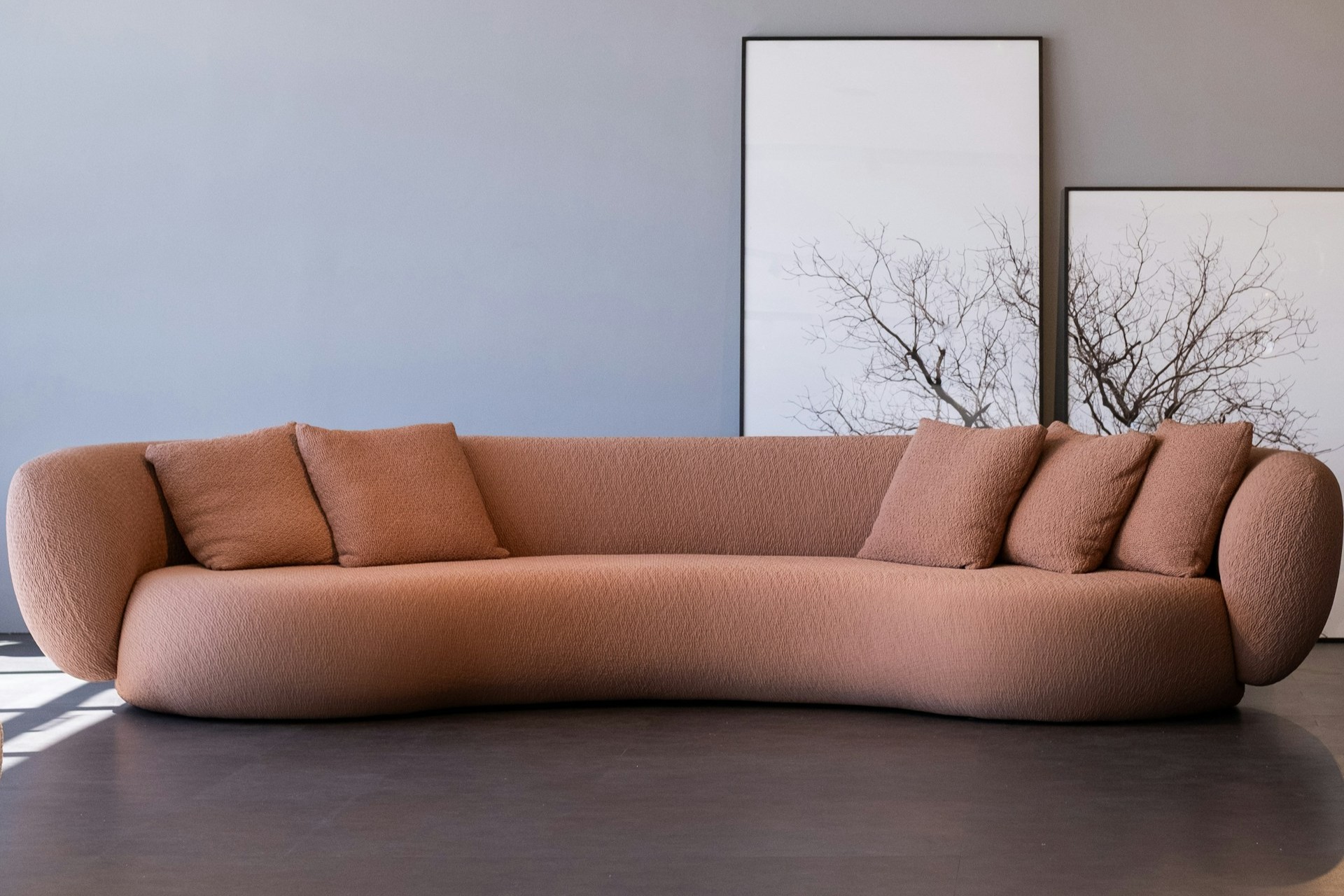
If I were starting from scratch, I would use boucle strategically rather than covering an entire room in it. One substantial piece can be enough to introduce the texture, especially if the surrounding furniture uses materials such as wood, leather, metal, glass or smoother textiles.
I try to pair boucle furniture with items made of performance fabrics, which are textiles that are designed to last long, whistanting wear and tear. They are easy to clean, can add interesting texture to the furniture and they’re good for he envionment. This combination makes maintenance easier, since I only have to pay careful attention to the boucle furniture pieces.
I also like the idea of using boucle where softness makes sense visually and functionally. A lounge chair can make a reading nook feel inviting. An ottoman can soften a room filled with harder surfaces. A dining chair can add texture around a wood table without competing with the table’s natural grain. This works particularly well in homes where the architecture already provides visual interest. If you have exposed beams, interesting millwork, stonework or a dramatic fireplace, boucle can complement those elements without demanding all the attention.
My Instagram feed definitely tried to convince me that boucle furniture only comes in warm white. I love that look, but I have learned to be more adventurous. Boucle’s texture can work beautifully with deeper neutrals and other colors, depending on the room. The important thing is to create contrast so the texture remains visible, rather than allowing every surface to blend into one pale, fuzzy cloud.
Instead of treating it as a complete design style, I would treat it as one material within a broader palette. A textured chair beside a smooth wood table creates contrast. A boucle sofa paired with a low-profile metal table creates another kind of contrast. The same fabric can therefore support very different design directions.
Absolutely. I just would not buy it because Instagram showed it to me 47 times, but because I like what the texture contributes to a room, I have considered how the piece will actually be used and I have looked beyond the upholstery to the construction underneath. Trends can introduce us to materials we might otherwise overlook, and the trick is deciding whether we actually like living with them after the Instagram algorithm moves on.