

We are reader-supported. When you buy through links on our site, we may earn an affiliate commission.
https://unsplash.com/photos/a-person-holding-a-bottle-of-wine-jTEBzFO2xdo
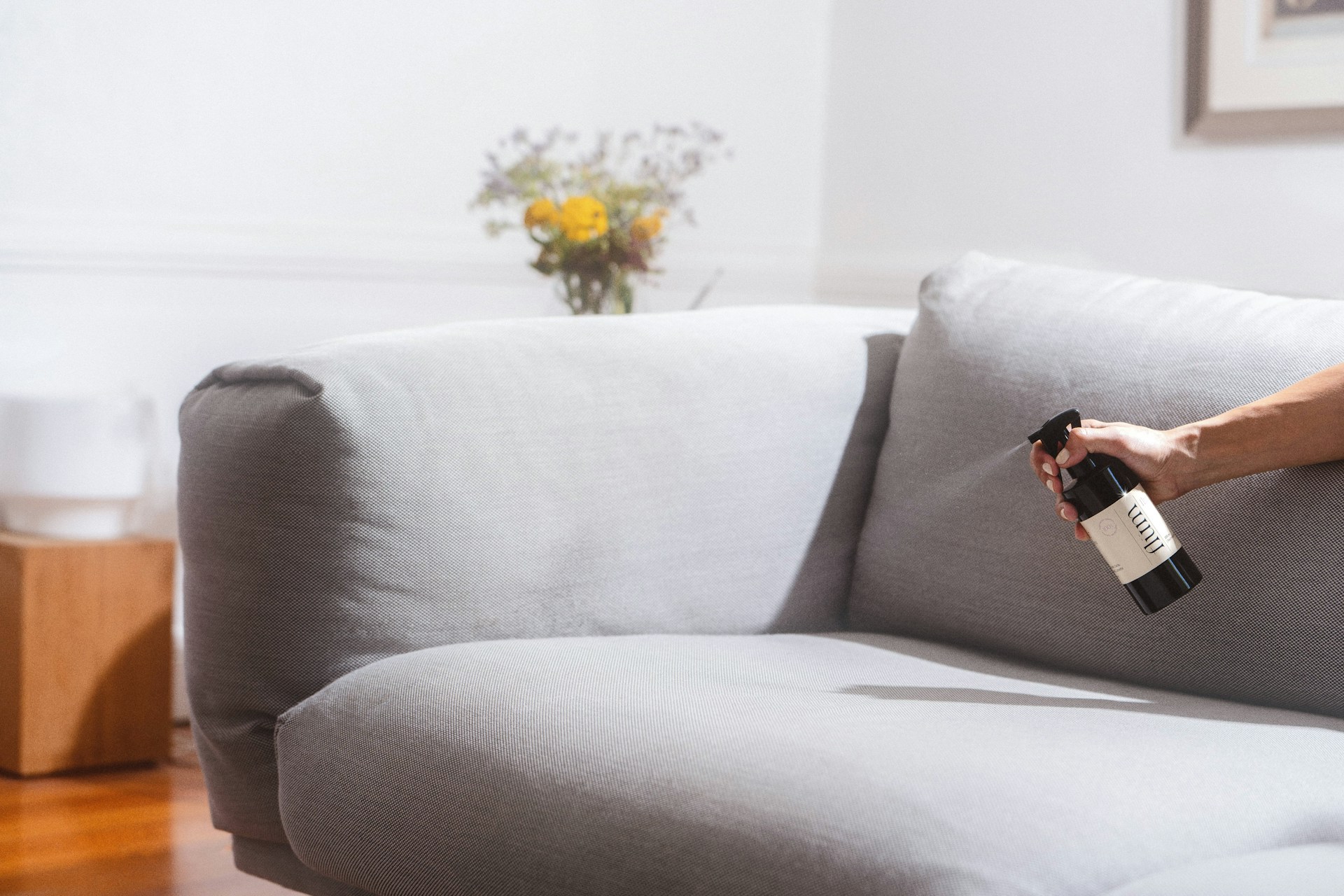
Everyone looks forward to sinking into their favorite armchair or sofa at the end of a hard day. However, quality furniture can be expensive, so you’ll want to be sure it stands the test of time and lives up to daily realities. I’ll never forget the time someone spilled red wine on my brand-new cream-colored sofa. No amount of scrubbing would get it out. That’s when I decided my next furniture purchase would use performance fabrics for my peace of mind.
Performance fabric is a textile built to last against wear and tear. Several materials fall under this category:
|
Fabric Type |
Key Features |
Best For |
|
Olefin |
Excellent stain and fade resistance, durable, water-resistant |
Outdoor furniture, high-traffic indoor seating |
|
Acrylic |
Mimics the feel of wool, resists fading, stains and mildew |
Sun-exposed areas such as patios and sunrooms |
|
Polyester |
Strong, resists stretching and shrinking, easy to clean |
Family room sofas and chairs |
|
Nylon |
Highly durable and resilient, excellent abrasion resistance |
Heavily used furniture, such as recliners and office chairs |
While the specifics of each material vary, they typically share traits of moisture resistance and durability. Most people use performance fabric for upholstery and interior design, but some manufacturers incorporate it into clothes. Popular brands include Sunbrella, Crypton and Perennials.
https://unsplash.com/photos/empty-tub-chair-near-wall-3e7t06GtwTk
Performance fabrics have a reputation for being great for maintenance and styling. They’re also reasonably good for the environment, making them an ideal textile choice.
It’s frustrating when liquids and sauces are spilled on the couch. According to a survey by Allstate Protection Plans, spills and stains caused 55% of furniture damage in 2023, and because accidents happen, that’s likely to continue. Thankfully, most performance fabrics are water-resistant, keeping the gunk on the surface. Whatever seeps into the upholstery should come off with a little soap and water.
For me, fast-forward a few years from the red wine disaster, and our performance fabric sofa has seen everything from juice spills to muddy paws. The difference is like night and day. Most messes wipe away with a damp cloth, which always makes me smile.
Textiles should add interest to the design. Certain performance fabrics are woven, offering rich texture for eye-catching furniture. If you also use a good supplier, you can find an exact color and pattern that suits your style. Since the fibers repel liquids and dirt, the furniture can stay pristine and stylish for a long time.
For a long time, there was concern around the use of per- and polyfluoroalkyl substances (PFAS) in performance fabrics. However, many major manufacturers are now committed to removing these forever chemicals from their products, in line with legislation across several states.
Because these materials are durable and easy to clean, they need fewer repairs and replacements, which minimizes waste and emissions.
https://unsplash.com/photos/white-and-brown-wicker-futon-TQk_VeOofiE
Performance fabric suits outdoor furniture like hammocks and patio seats, as it can withstand rain well. You can still use a waterproof cover to help prevent mildew and fading in the future. It’s also ideal to wipe down the items after rain to prevent water accumulation and excessive moisture.
Regular fabrics focus more on looks than performance. For instance, velvet is more about visual warmth and a luxurious touch. All textiles have merit for different purposes, but performance fabrics, such as olefin, resist water and stains in a way that traditional materials don’t. If you have young children or pets, they can make cleaning up much less stressful.
Durability and texture are the main factors. If sustainability matters to you, assess which fabrics have undergone chemical treatment. Some manufacturers add extra coatings to heighten the performance factor of these fabrics.
You should also look for fabrics that match your style. Choose something compatible with your furniture’s design to keep your look cohesive. That way, the final product will also appear more bespoke.
https://unsplash.com/photos/wavy-green-and-black-checkered-fabric-texture-L_DbmdQWo6c
In 2018, the latest year for which figures are available, Americans threw out over 12 million tons of furniture, the majority of which ended up in landfills. This staggering figure makes durable performance fabrics seem like a useful solution.
A performance fabric stands the test of time and moisture when paired with proper care and maintenance. If you are upholstering yourself, you can buy it by the yard to get only as much as you need. While performance fabrics may cost more up front than standard upholstery, their durability makes them a cost-effective choice for many households.
Here are some answers to common queries about performance fabrics and their uses.
No, you do not have to sacrifice looks for durability. Performance fabrics today are available in a vast choice of textures, weaves and colors, so you can match your home’s style without compromise.
Yes. Their inherent stain- and moisture resistance make cleaning up spills and messes significantly easier than with traditional fabrics.
Yes, you can use performance fabric outdoors, but check its specifications. Olefin is one of the most popular outdoor choices because it is fade-resistant and will keep its color longer in the sun.
Whether you are renovating or curating your first home, performance fabrics take your upholstered furniture to the next level. The investment makes sense for both outdoor and indoor fixtures and may save you money in the long run.
Note: This article was first published on December 19, 2024, and was revised on August 24, 2026, to reflect the most current information.