

We are reader-supported. When you buy through links on our site, we may earn an affiliate commission.
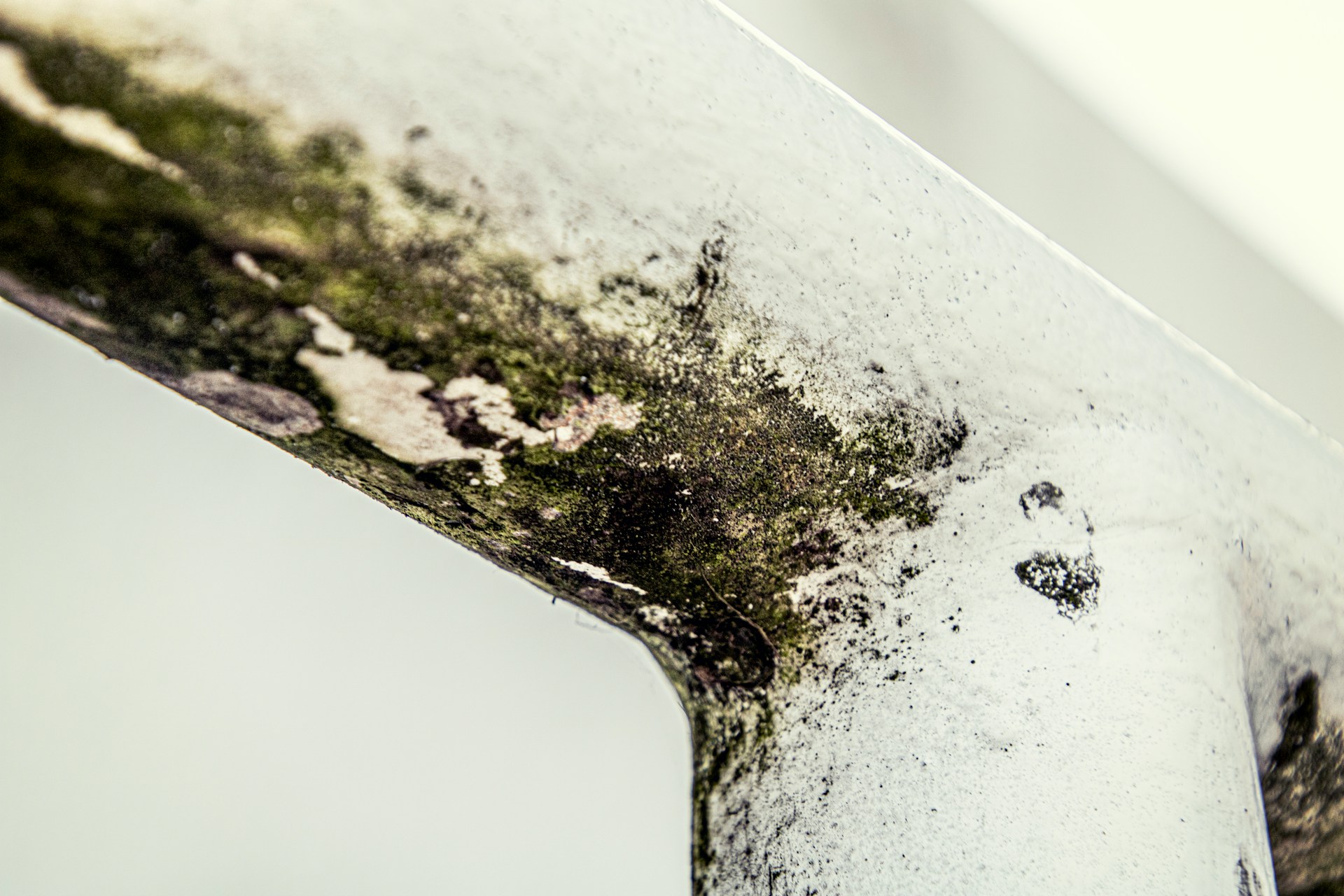
Finding black mold in my attic wasn’t something I ever expected. I had climbed up there to investigate a faint water stain that had appeared on the ceiling below, assuming I’d find a small roof leak or a bit of damaged insulation. Instead, I was greeted by dark patches spreading across the roof decking and wooden rafters.
Concerned, I called in a home inspector, expecting him to simply tell me how to remove it. Instead, he explained that the visible mold was only part of the story. The real issue was the moisture that had allowed attic mold to develop in the first place. That inspection completely changed how I think about attic maintenance, ventilation and protecting a home’s long-term value. If you’ve recently discovered mold in your attic, here’s what the inspector told me.
Like many homeowners, I assumed that black mold automatically meant the most dangerous type of mold. The inspector quickly corrected that misconception. He explained that many different mold species appear black, dark green or brown, and it’s impossible to identify them based on color alone. While some molds may trigger allergens or respiratory irritation, others are relatively common environmental molds that aren’t considered especially hazardous.
Rather than focusing on what the mold looked like, he encouraged me to think about why it was there. Regardless of the species, any visible mold indicates that excess moisture has been present long enough for spores to colonize the surface. That’s the issue that needs immediate attention.
One of the biggest lessons I learned was that mold rarely appears on its own. Mold spores are naturally present indoors and outdoors, but they only begin growing when they have a reliable source of moisture and an organic material, such as wood, to feed on.
In my case, the inspector didn’t find a major roof failure. Instead, he discovered evidence that warm, humid air from inside the house had been escaping into the attic over several winters. As that warm air met the cold roof deck, condensation formed repeatedly, leaving just enough moisture behind for mold to thrive. Removing the mold without eliminating that moisture source would mean dealing with the same problem again a few months or years later.

I’d always assumed my attic ventilation was doing its job because the house had soffit and ridge vents. However, the inspector showed me that proper ventilation is about airflow, not just having vents installed. Several soffit vents had become blocked by insulation, dramatically reducing the amount of fresh air entering the attic.
Without balanced ventilation, humid air remained trapped beneath the roof, allowing condensation to build up during colder weather. Over time, those repeated moisture cycles created ideal conditions for attic mold to spread across the timber framing. Improving airflow is one of the most effective long-term strategies for preventing mold from returning.
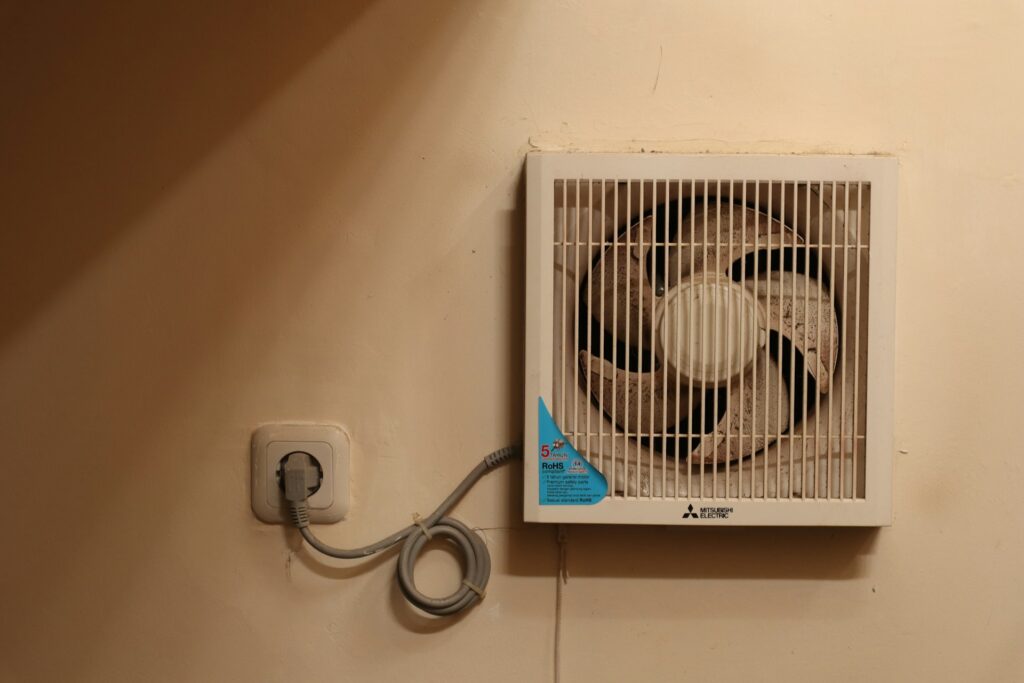
One discovery genuinely surprised me. While tracing the bathroom exhaust duct, the inspector found that it wasn’t venting outside the home at all. Instead, it terminated inside the attic, releasing warm, moisture-laden air every time someone showered.
He told me this is one of the most common mistakes he encounters during attic inspections. Homeowners often don’t realize that improperly installed exhaust fans can introduce liters of moisture into an enclosed attic every week. Over months and years, that constant humidity provides exactly the conditions mold needs to establish itself.
The inspector also explained that insulation plays a much bigger role in moisture control than many homeowners appreciate. While insulation doesn’t directly cause mold, damaged, compressed or poorly installed insulation allows warm indoor air to escape more easily into colder attic spaces.
Those temperature differences encourage condensation to form on roof decking and structural timbers. By sealing air leaks and ensuring insulation is evenly distributed, homeowners can significantly reduce the likelihood of condensation developing in the first place.
My first instinct was to grab a bottle of bleach and scrub the affected wood. According to the inspector, that’s one of the biggest mistakes a homeowner can make. While bleach may remove surface staining, it often fails to penetrate porous building materials such as timber, allowing mold to survive beneath the surface.
Professional remediation focuses on far more than cleaning visible growth. Depending on the severity of the infestation, specialists may use HEPA filtration, specialized antimicrobial treatments, sanding techniques and moisture testing to ensure the mold has been properly addressed. Most importantly, remediation should only take place once the moisture source has been corrected.
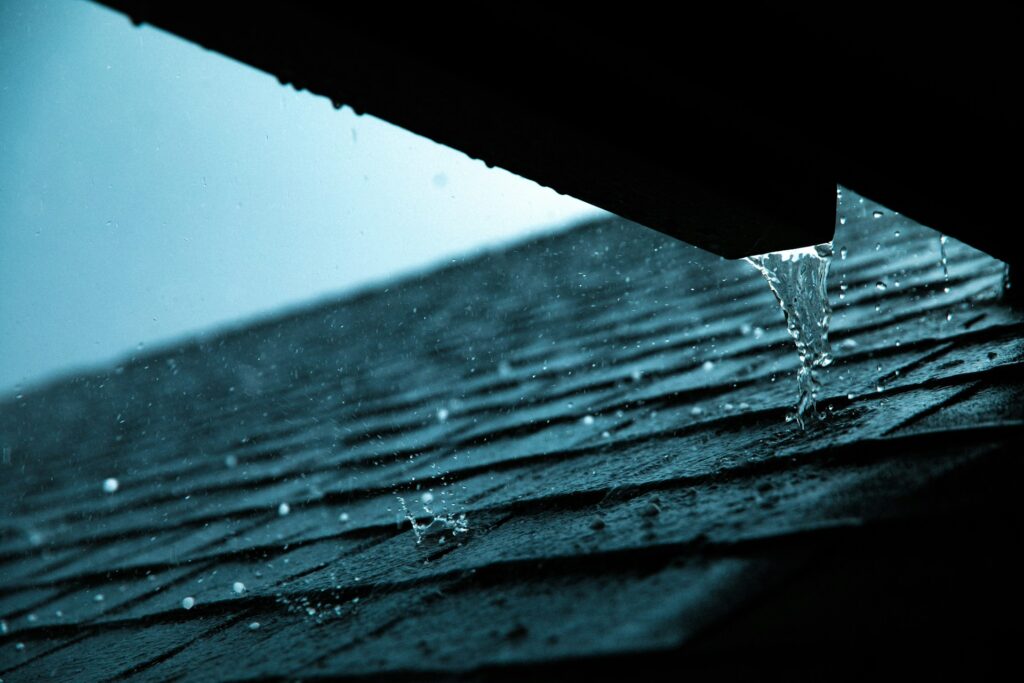
Although my roof appeared to be in good condition from the outside, the inspection revealed several minor defects that had gone unnoticed. A small gap around roof flashing and a slightly damaged roof vent were allowing small amounts of rainwater to enter during storms.
Neither issue was large enough to create obvious ceiling damage inside the house, but both contribute to elevated moisture levels in the attic over time. The inspector explained that even slow, intermittent water intrusion can be enough to sustain mold growth if left unresolved.
Perhaps the most surprising part of the inspection was learned that the mold likely hadn’t appeared overnight. Because most homeowners rarely enter their attics, moisture problems often develop unnoticed for months or even years before visible staining becomes obvious.
The inspector recommended checking the attic at least twice a year, particularly after heavy storms or during colder months when condensation is most likely to occur. Early detection can prevent relatively minor moisture issues from developing into costly structural repairs.
Finding mold in my attic was unsettling, but the inspection made it clear that visible growth was only a symptom of a large moisture problem. Addressing the underlying cause, whether it’s poor ventilation, hidden leaks or excess humidity, is the only way to stop attic mold from returning.