

We are reader-supported. When you buy through links on our site, we may earn an affiliate commission.
October nights bring a familiar glow — candlelight flickering inside orange faces, casting shadows on porches and pathways. The humble pumpkin, carved into grinning lanterns, has become an international symbol of Halloween. Yet these remarkable gourds hold far more secrets than their seasonal reputation suggests. From their long history to their surprising health benefits, here are some pumpkin facts you may not know.
Pumpkins are far older than Halloween. Archaeologists have found seeds in Mexico dating back over 7,000 years, making pumpkins one of the earliest cultivated plants in the Americas. Pumpkin uses weren’t limited to food either. Indigenous peoples used them for medicine and as storage vessels, hollowing them out and leaving them to dry.
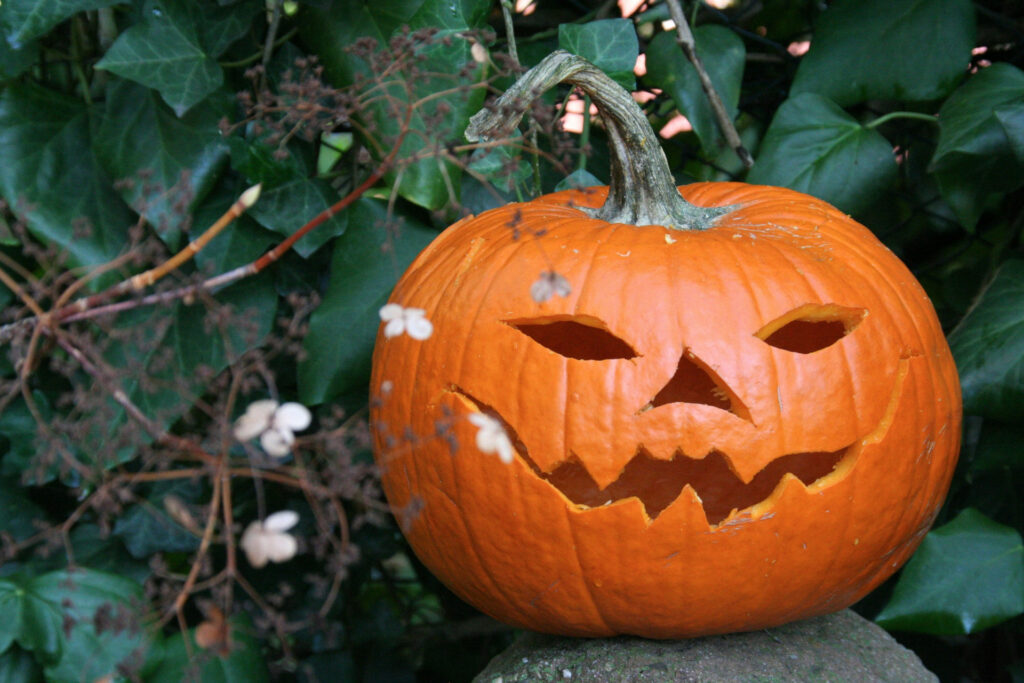
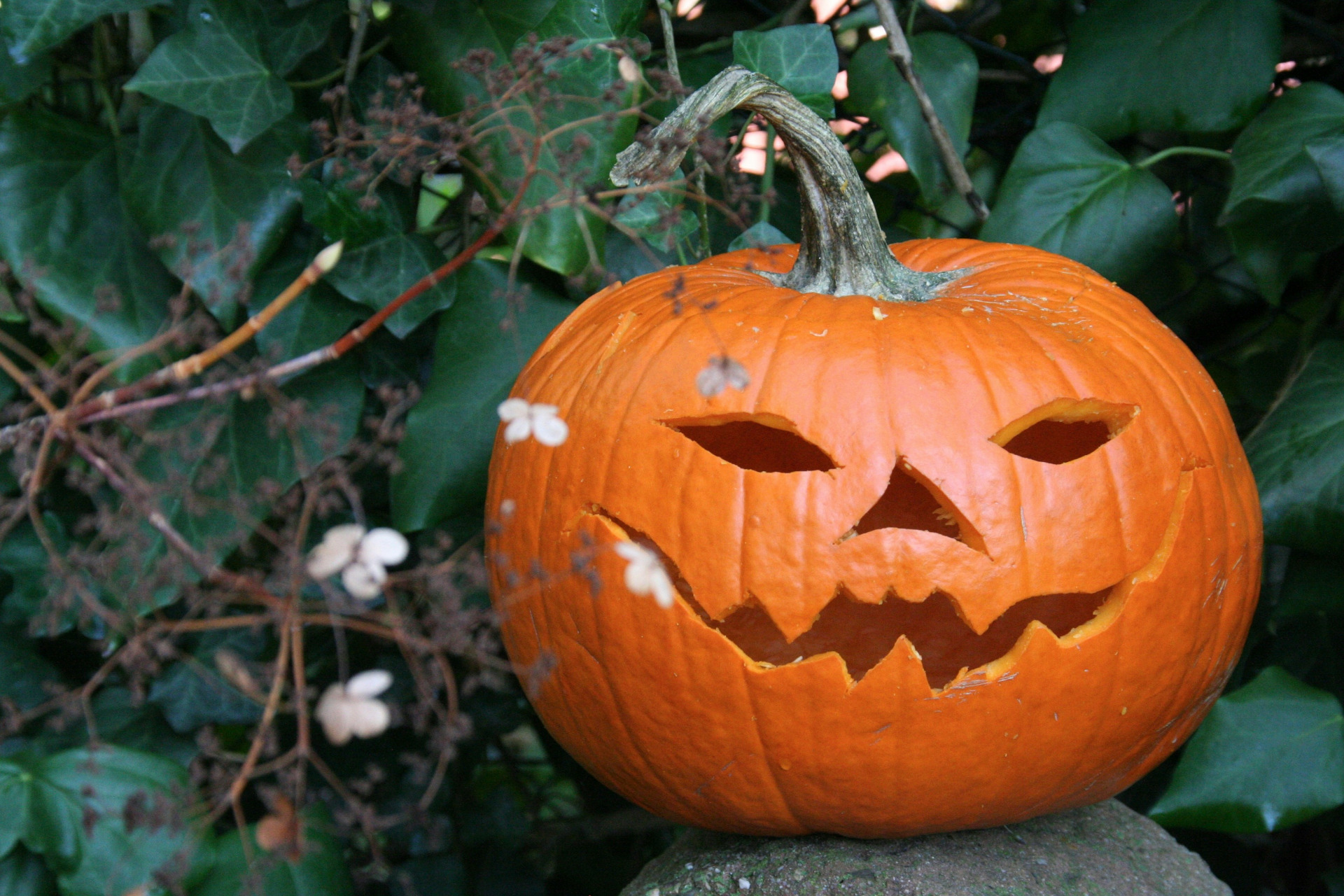
These ghoulish faces stem from an Irish myth about Stingy Jack, a man who tricked the devil but was subsequently not allowed into either heaven or hell. People would carve evil faces into turnips and potatoes to try to frighten his desperate soul away from their homes. When Irish immigrants arrived in the U.S., they began to do this with pumpkins instead.
As to why on Halloween particularly — Halloween has its own ancient roots in Samhain, an ancient Celtic pagan festival that marked a new year on November 1st. On the last night of the pagan year — October 31st — souls returned to visit their homes. People would dress up to disguise themselves and light lanterns so the spirits could find their way back to the otherworld. The legend of Stingy Jack blended with this ancient wisdom, and pumpkins complete with faces became inextricably linked to this date.
Today, people love to carve pumpkins into all kinds of amazing designs, not just faces. From traditional triangular eyes and jagged teeth to stunning shadowy works of art, the history of pumpkin carving has evolved. If you don’t want to carve, you could paint your pumpkin instead — from calligraphy to marbled designs, it’s a fun way to get creative every fall.
There’s more going on here than pies and decorations.
The word pumpkin was unknown until Charles Perrault rewrote an earlier version of the Cinderella fairy tale in 1697. His version was the first to feature a pumpkin carriage — and the first time the word itself was used. Before then, they were known as “gros melons”.
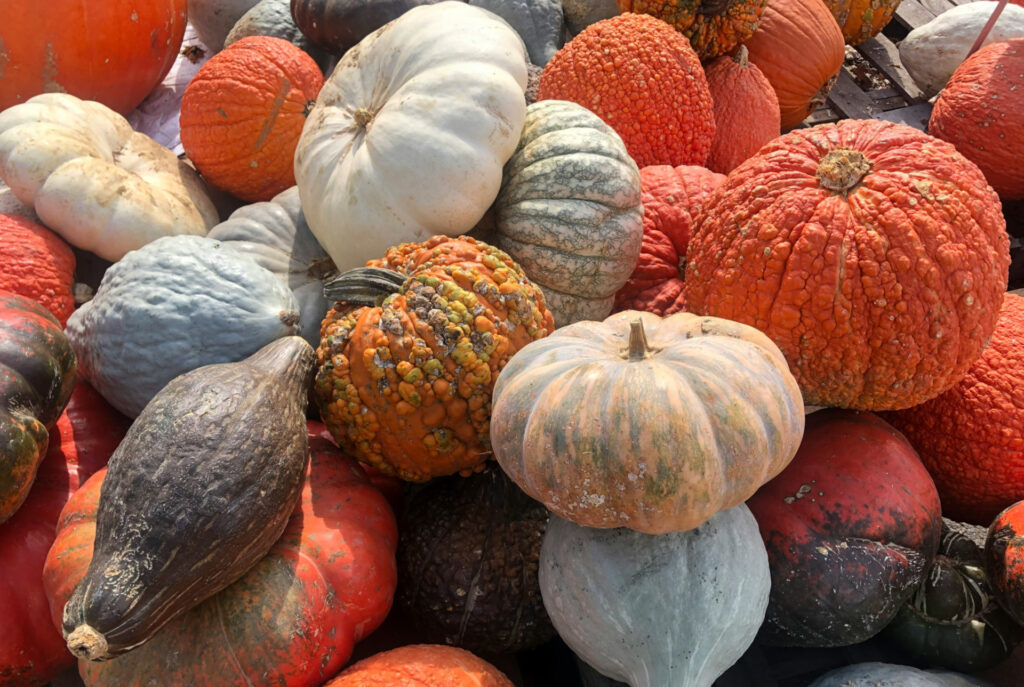
Because of course there is. They have a distinctly flattened shape, perfect for late-night coach transformations. There are other distinctly weird and wonderful varieties too, including:
If you’re looking for some unusual pumpkin varieties to grow, there are plenty of choices!
Well, squashes. The squash bee pollinates two-thirds of commercially grown squash, but these solitary, ground-nesting bees are in decline due to habitat loss and pesticides. One of the pumpkin facts we should definitely do something about.
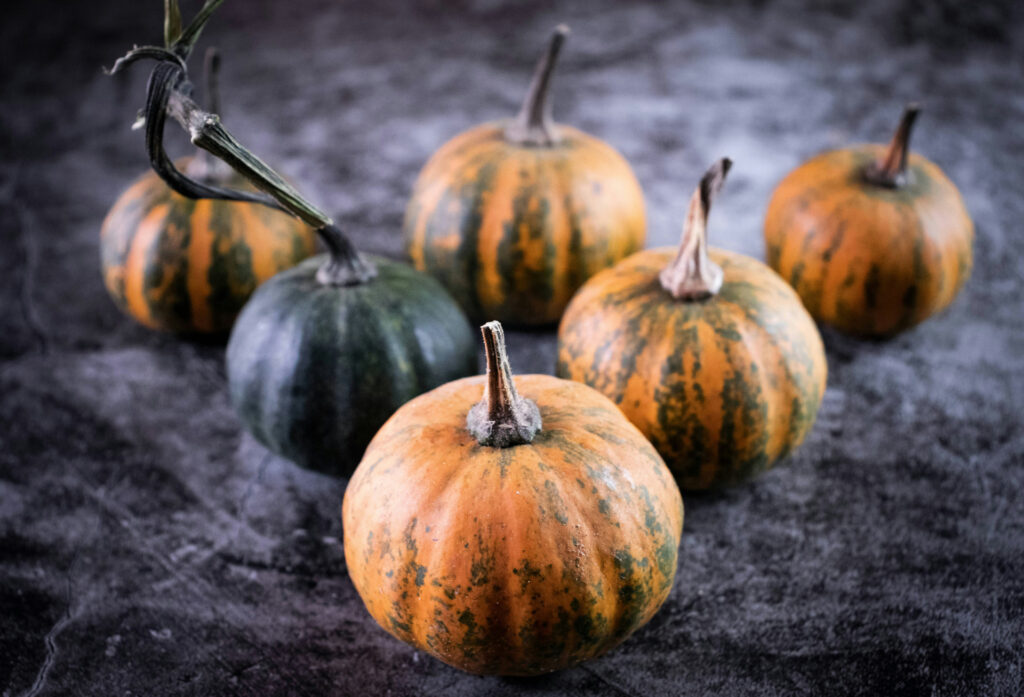
Botanically speaking. The largest berries in the world. A berry is a fleshy fruit that develops from a single flower and typically contains many seeds. More specifically, pumpkins are a type of berry called a pepo, which is a berry with a hardened rind.
Pumpkins are viewed as sacred in some lore and are potent symbols of abundance. Some indigenous peoples grew pumpkins or squash together with beans and corn, planted together on mounds.
These three plants — the three sisters — have a symbiotic relationship. The pumpkin’s large leaves provide shelter to retain moisture and prevent weed growth. The beans provide strength and structure and fix nitrogen in the soil, while the corn provides a stalk for the beans to climb, so they are not shaded out by the pumpkin leaves.
Behind its festive facade, the pumpkin is a nutritional powerhouse and highly versatile, too. Rich in vitamins A, C and E as well as potassium and fiber, pumpkins have a range of health benefits. Beta-carotene, the pigment that gives pumpkins their orange hue, is a potent antioxidant, known to support eye health and boost the immune system.
Some surprising health benefits of pumpkins include:
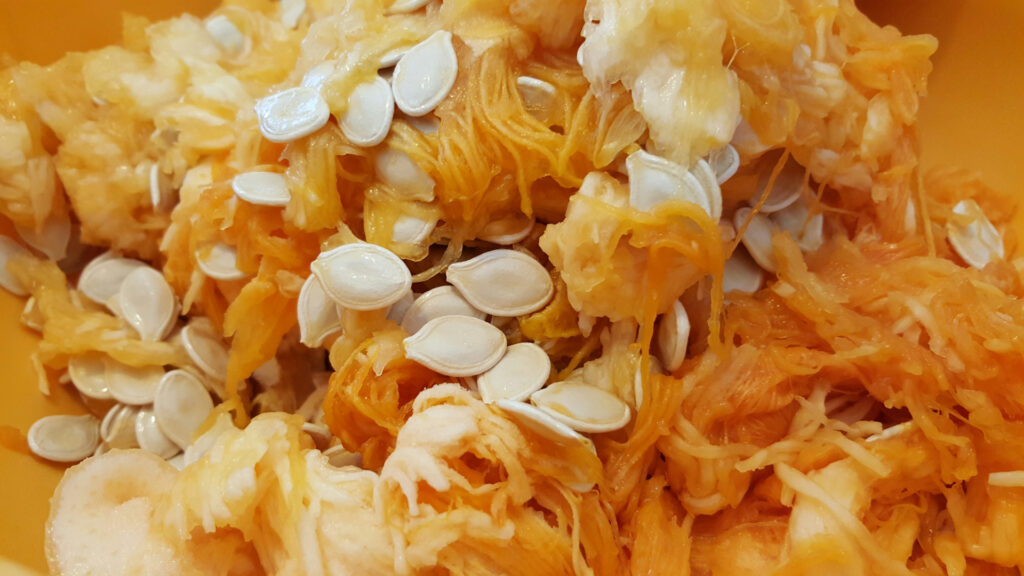
While the flesh steals the spotlight, pumpkin seeds are equally good for your health. Sometimes called pepitas, these seeds are packed with protein, magnesium, zinc and healthy fats. Regular consumption of pumpkin seeds has been linked to improved heart health, better sleep and even better fertility and prostate health in men. Now those are some pumpkin facts worth knowing!
Pumpkins are a type of winter squash, part of the sprawling cucurbit family that includes cucumbers, melons and zucchini. They grow on long vines, requiring plenty of space, sunlight and patience. For gardeners wondering how to grow giant pumpkins — special varieties like Atlantic Giant can reach weights of over 1,000 pounds with the right conditions and some TLC.
Even if you don’t aim to break records, growing pumpkins at home can be hugely rewarding. The vines do spread and can get out of control easily — but if you like your garden to look a little wilder, then pumpkins are a fascinating addition. They are relatively low maintenance once established and their broad leaves help to minimize weeds.
Growing pumpkins of different sizes, colors and types can turn your fall harvest into a rainbow of gourds fit for both kitchen and decoration.
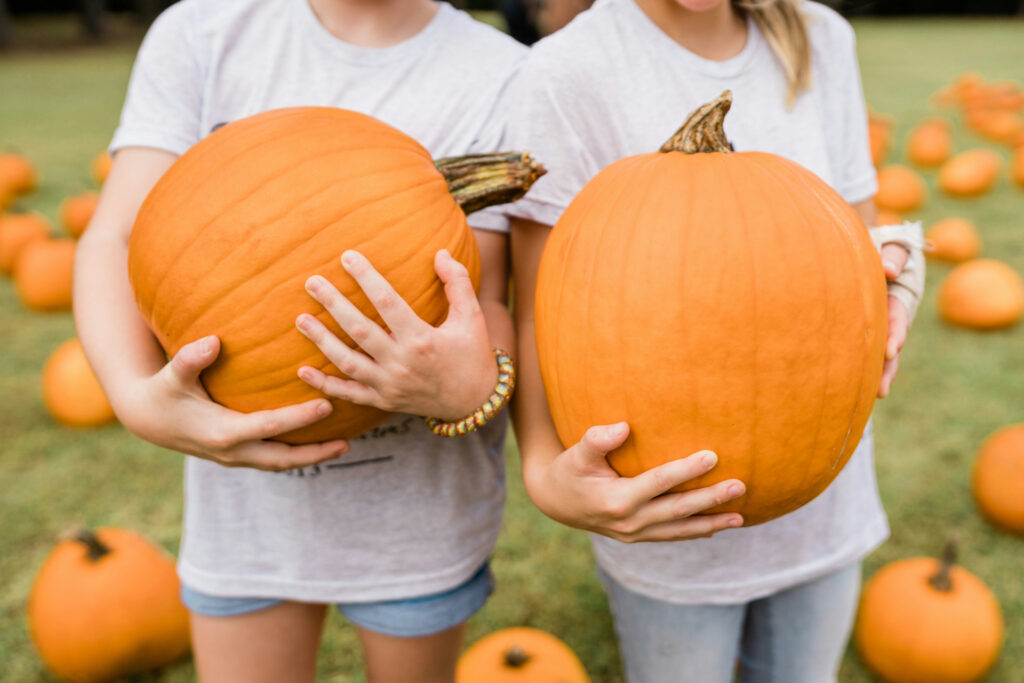
Apart from being delicious, decorative and good for you, these oversized berries are very versatile. Innovative thinkers continue to explore unusual pumpkin uses, such as:
Next time you light a candle inside a carved gourd, remember — you’re celebrating not just Halloween but also one of the oldest and most adaptable crops in human history. These pumpkin facts prove that they are not just the sinister faces on your doorstep. They are global treasures, nourishing bodies, inspiring traditions and proving there’s always more than meets the eye.
Yes. Thin-skinned varieties like kabocha and delicata have edible skin, although larger carving pumpkins usually have tough, fibrous rinds.
They thrive in warm weather and need a long growing season, but with the right care, yes, pumpkins can be grown in most regions that have frost-free summers.
Yes, but for best results, cook chunks or puree it first. You can store it in the freezer for up to a year, but raw pumpkin may be watery when you defrost it.