

We are reader-supported. When you buy through links on our site, we may earn an affiliate commission.
Building a camper van is an extensive project that brings long-term benefits that cater to your sense of adventure. What should you consider when doing it for the first time?
Categorizing potential van build-out tasks into essentials and nice-to-have upgrades helps you focus on what matters while sticking to a budget. Creating a comfy and functional vehicle depends on how often you’ll use it. Will you live in the van most or all the time, or make it a home for occasional weekends?
Answer that question as a starting point, and get input from others working on this effort with you. If you plan to use the van in all weather, adjust your anticipated expenditures to accommodate amenities for a tolerable interior temperature, even as the seasonal climate becomes less bearable.
Van-building expenses vary depending on the vehicle’s condition, the desired features, and whether you make this a DIY project or hire a commercial company. Consider getting details from others who have built campervans and adjusting the monetary allocation according to your situation.
In one example, a couple spent $34,731.75 on a van conversion across seven weekends. The van and necessary repairs accounted for $22,847.45 of that total, and the pair set an initial target of $10,000, excluding the van and required fixes.
They went slightly over their goal. However, a blog post about the experience mentions an early expectation of ease, and realizing that necessities and upgrades accumulate quickly. One practical tip offered was to budget for the most expensive essentials first. Those included a heater, composting toilet and refrigerator.
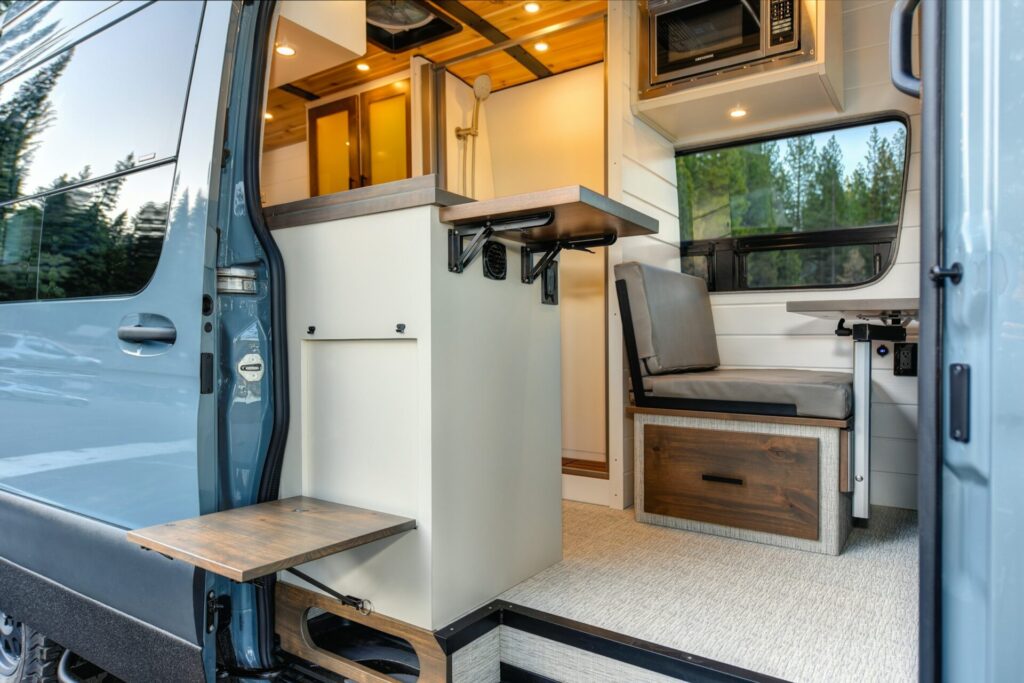
You may live in the van for many months at a time and should plan to optimize the available space for comfort and convenience. Some of the smallest tiny houses are only 100 square feet, making them excellent inspiration sources.
Consider installing furniture you can manipulate depending on use, such as a drop-leaf table that folds into the wall after mealtime or a bed you can pull down at night and lift to provide a larger living area. You can also maximize storage with integrated options mounted onto walls.
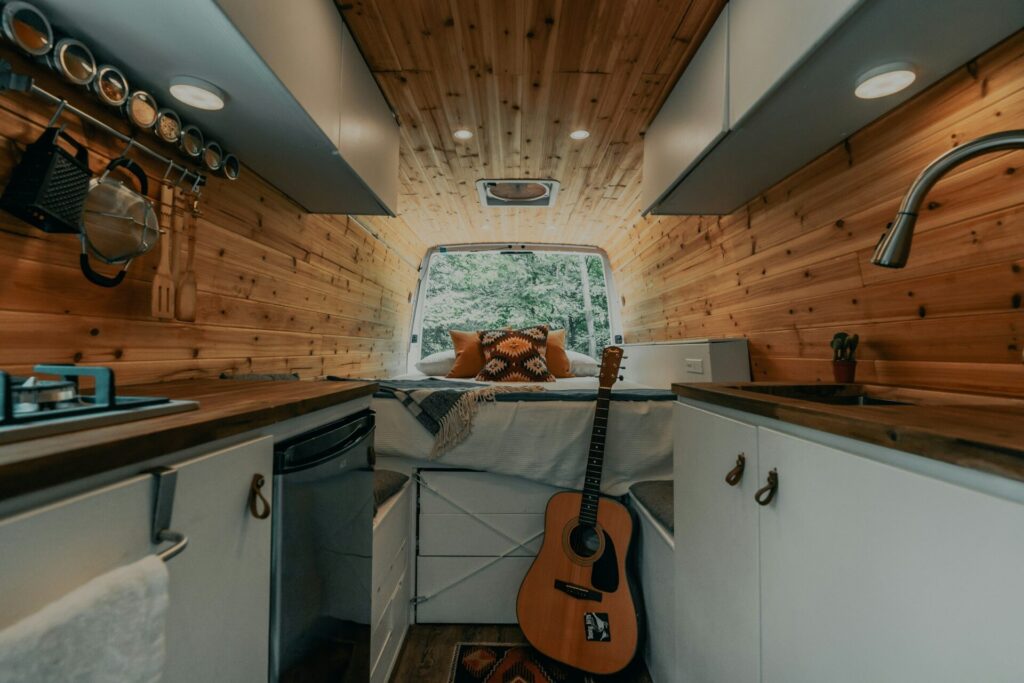
Some people plan to live in converted vans, excitedly envisioning how much they’ll save on rent or mortgage payments. Whether you have similar aspirations, maintain a realistic perspective by doing what you can to minimize expenses once you start using the vehicle.
Van owners may spend more than $1,000 per month on gas. You can reduce the amount by budgeting for an efficient model and staying on top of maintenance to prevent problems from lowering its fuel economy. You’ll also need to stop at RV campgrounds every few days to top up the water reservoir and empty holding tanks. Look for sites operating within networks that allow users to purchase flat-rate, annual passes. Those convenient options expand your van-build budget and increase long-term affordability.
Perhaps you have relevant capabilities and can hardly wait to apply them to this activity. It’s even better when you’re someone with relatively few obligations, such as if you’re retired or don’t need to complete the job by a deadline. A deep background in automotive maintenance and refurbishment saves you during the build and afterward, and a willingness to learn goes far.
If you’re short on time or lack the expertise to make the project go smoothly, consider learning about brands selling camper-in-a-box units. Some self-contained, modular products work without vehicle modifications and include optional additions. They cater to purchasers who want to start enjoying van life as soon as possible and don’t mind fewer customization possibilities.
As you evaluate these factors as a first-time camper van creator, focus on developing patience, remaining flexible and keeping an open mind. Surprises occur during even the most carefully planned projects, but such ideas help you conquer the challenges and look forward to the results.